Sensors and hands, one record.

Machines log what they measure. People sign what they did. The estate record is both halves, and neither one is allowed to fill in for the other.

One row, out of millions.

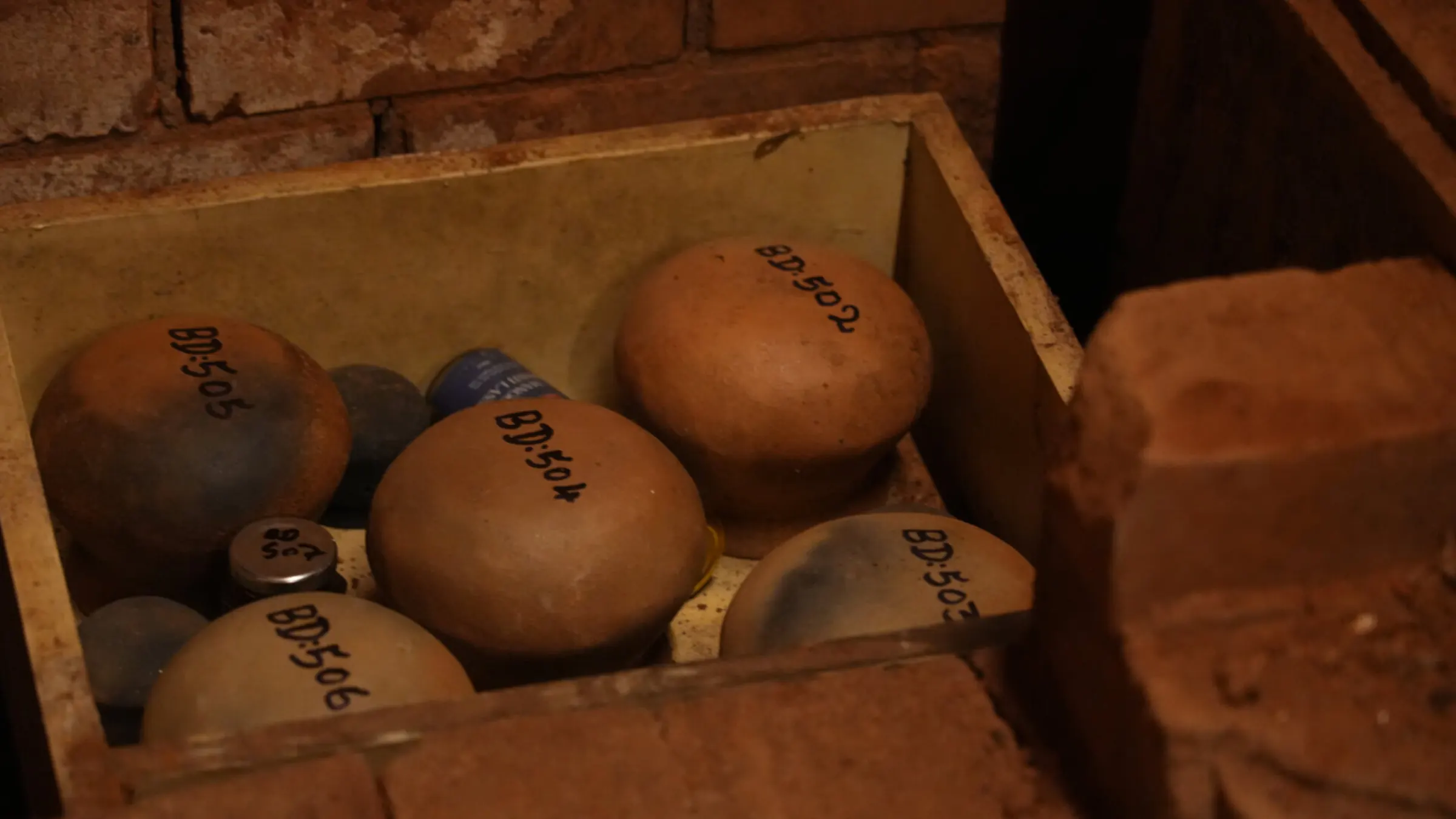
Everything on the last page is easy to claim and hard to check. This page is the checking. Somewhere in a file on this estate there is a row that reads: BD 501, Block 07, 06:14, waning moon, humidity 78%, by Rao, dung batch G-03. The minute. The moon. The hand. The source. That one row is the unit this whole system exists to protect.

Observe, remember, learn, act — then observe what the acting changed. Sensors hold the parts no person can watch continuously; people hold the judgment no sensor has. The loop only closes because both are in it.

Nine streams, each on its own clock.

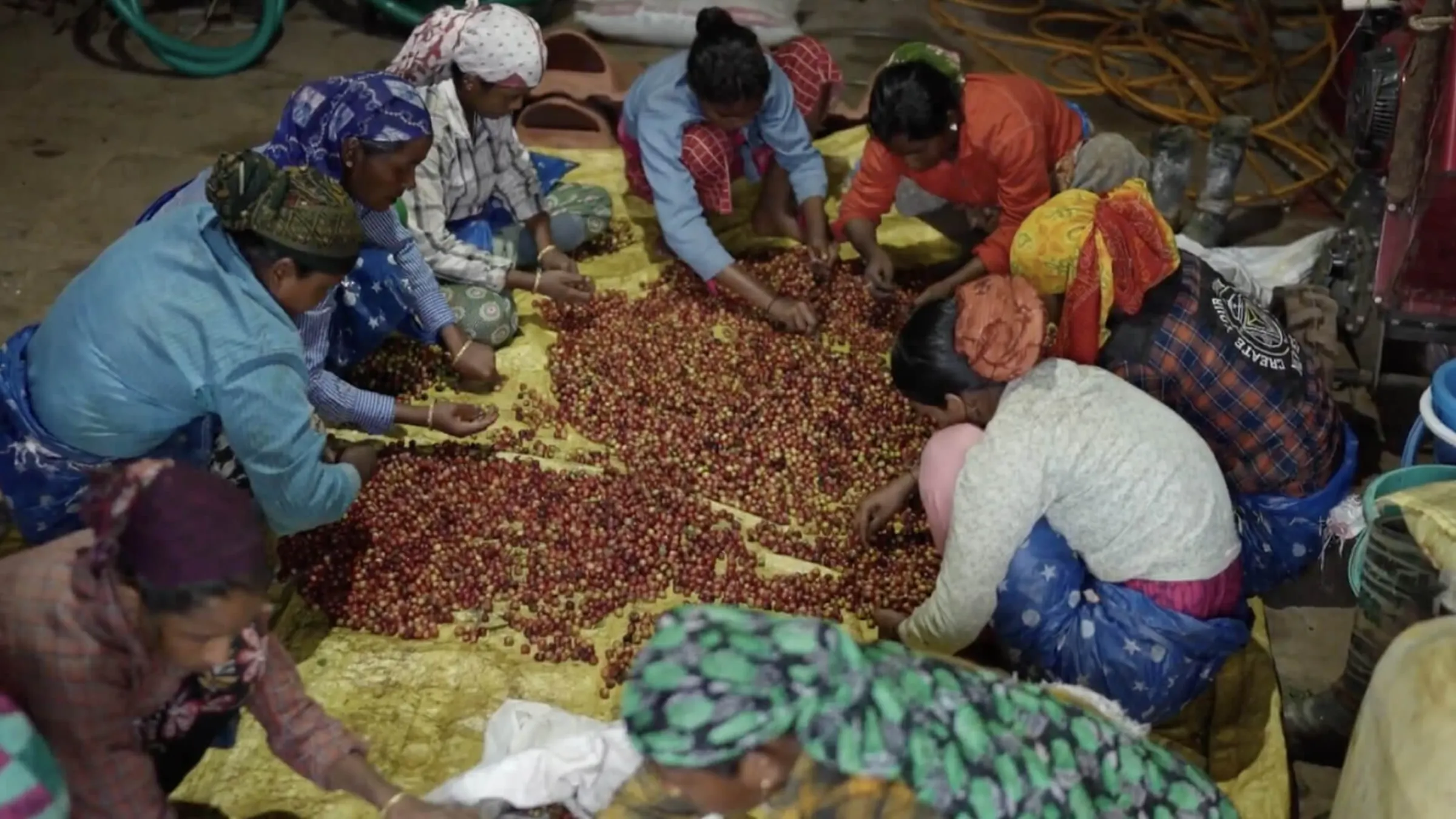
Fermentation every fifteen minutes. Temperature three times a day. Brix at the start, the middle and the end. Soil chemistry quarterly, at 5 cm and at 20 cm. Earthworms counted by hand, inside a square of string laid on the ground. Sensors write their own numbers; the person who did the work signs for theirs, by name, and nobody signs for work somebody else did.

No untested material touches the soil.

Every batch of preparation is read in our own lab before it goes out and again after it lands — pH, conductivity, colony counts, Trichoderma and Pseudomonas counted by name. A batch that comes back wrong is corrected, or it is held.

The block is read again ninety days later.

This is the part most farms skip. Writing down what you applied takes a minute; going back a season later to measure whether it changed anything is the harder half, and it is the only half that can tell you to stop doing something.

And here is what we are still proving.

The solera, carried harvest to harvest.

We carry a fraction of one fermenting batch forward into the next harvest’s cherry, the way a sherry bodega carries a barrel forward across decades. It is the longest-running experiment on the estate and the one we are most interested in.

A coffee ferment runs in days where a solera runs in decades, so this is new ground and we are measuring it as such: every carry logged, every tank assayed, harvest against harvest. When the data is in we will publish what it shows.

The record is the proof.

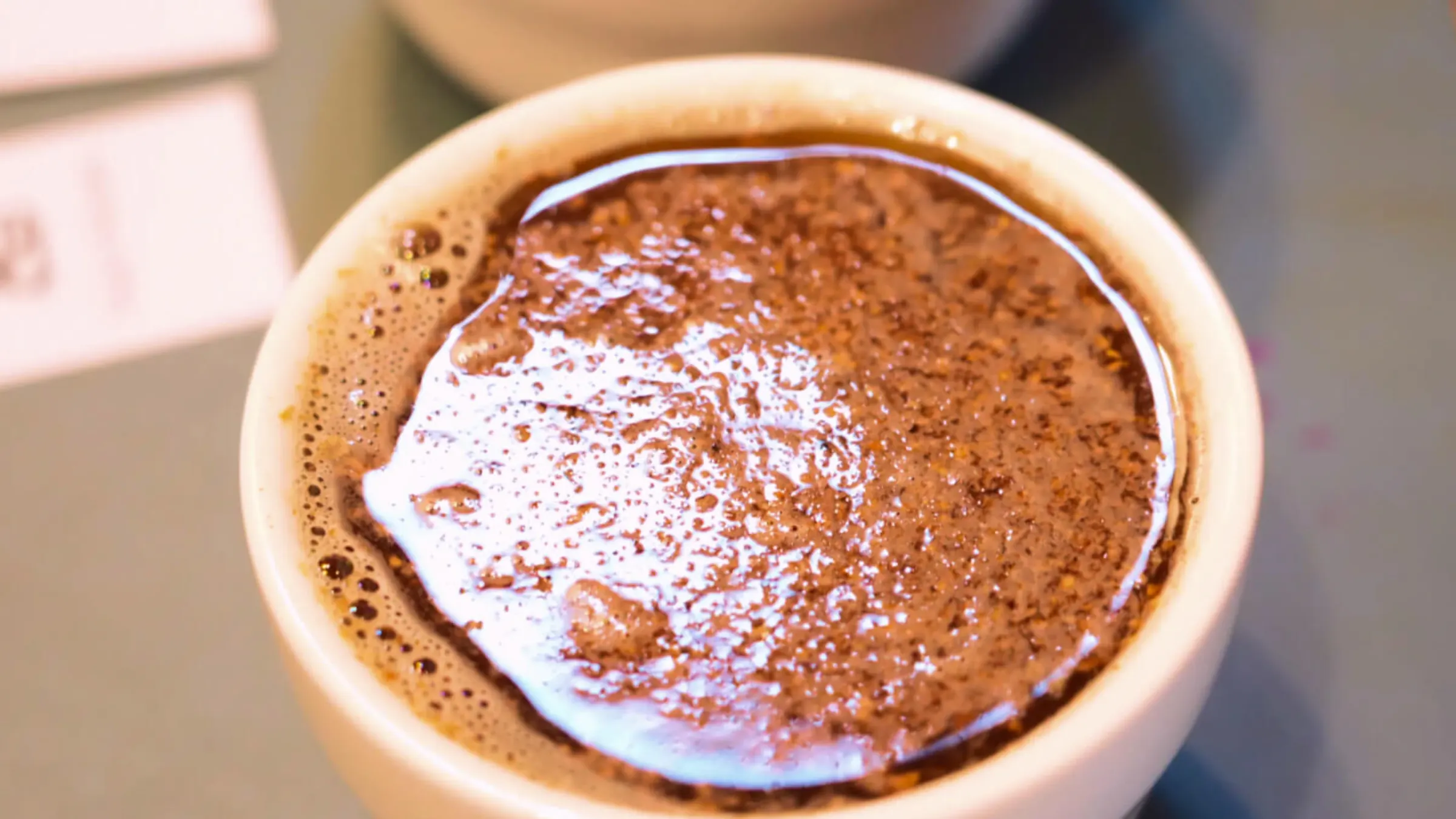
In August 2026 we cupped four of the Arabica lots to SCA protocol. They came back between 82.25 and 85.25 — specialty grade starts at 80 — and every one of the four scored a perfect 10 on uniformity, clean cup and sweetness.

That score sits on top of a file: every preparation logged under the name of the person who made it, every batch assayed before it touched the ground, every block read again ninety days later. A certificate says a farm passed an audit on one day. This says what the ground did all year, and it is open to anyone who asks. The tea block enters transition in 2027 and will be held to the same file.
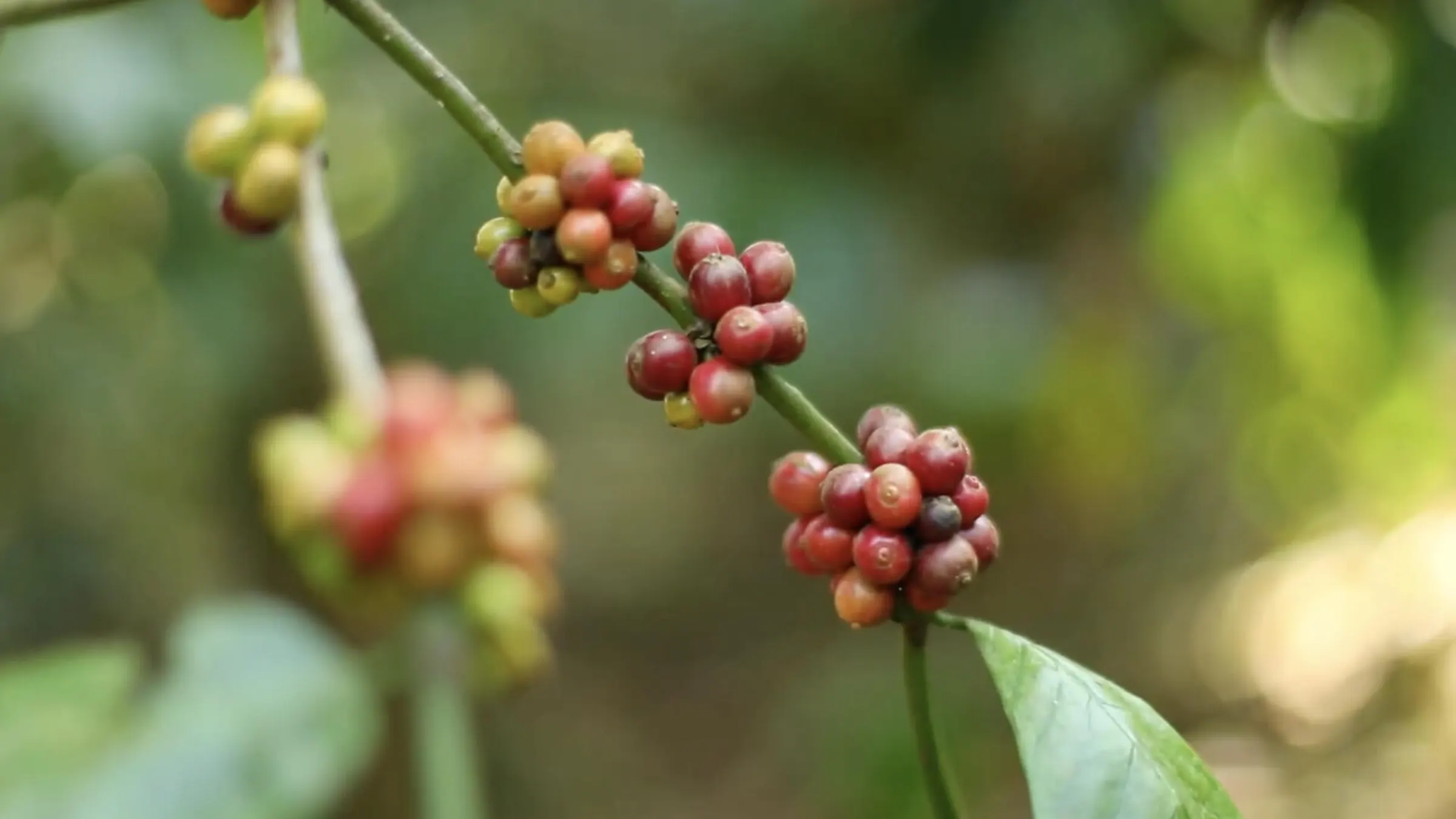
The record. We practise organic and biodynamic, and we publish what the ground actually did. Signed. Timestamped. Re-read at ninety days. Ours to prove.

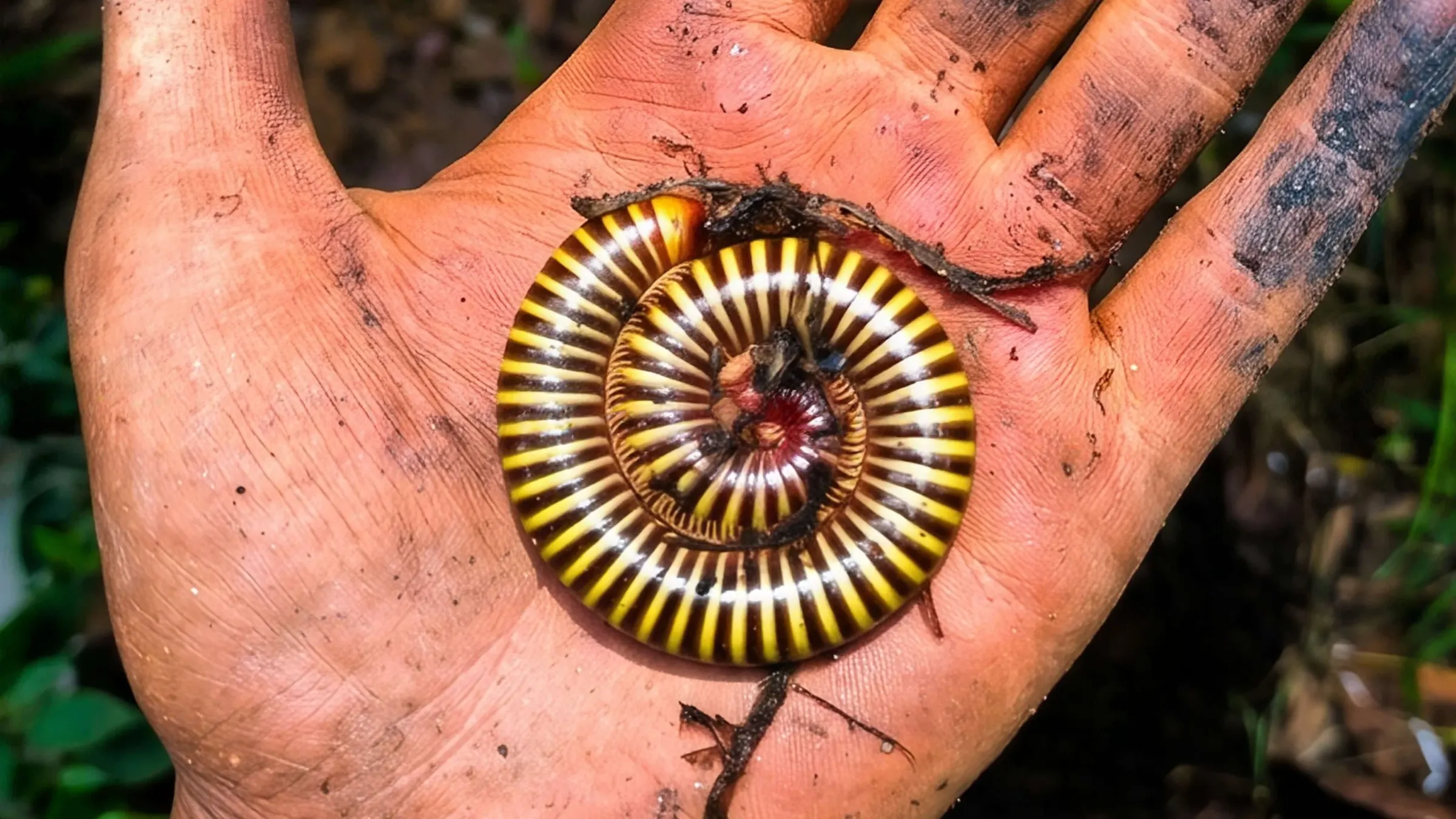
What the record is recording. About fifty cattle, fourteen numbered pits, and a canopy cut to a light reading instead of a feeling.

Better Ground

The record ends in a cup. Nine lots, scored by people with no stake in the result.

Explore the flavours

Nine ways of paying attention. The whole loop, discipline by discipline.

The Remarkable Circle

The Aura Festival.

Twenty places, three times a year. You set the protocol for a lot of your own, and we build it and ship it under your name.

Attend the Festival