Back

OurCoffeeStory

Our Coffee Story

Coffee flowers — the beginning of every lot

Small is the strategy.

One estate. 150 acres. One harvest a year. The scale is deliberate — so is the patience.

We are not pursuing volume, category leadership, or distribution at scale. We are building a coffee that answers for itself — traceable to the morning it was picked, the canopy it grew under, the ferment that shaped it. Small enough that every decision is made by someone who walks the land.

Six lots. One harvest. No two cups the same.

Arabica grown at 3,600 feet in the Western Ghats, beneath a four-story canopy. Two cultivars — Sln.9 and Sln.795. Every lot is a document of place and method.

Aura is not a coffee company. Coffee is the primary crop, but the estate is the system. The cup that reaches you carries the character of canopy shade, laterite soil, monsoon rhythm, and the specific decisions made during fermentation — down to the hour.
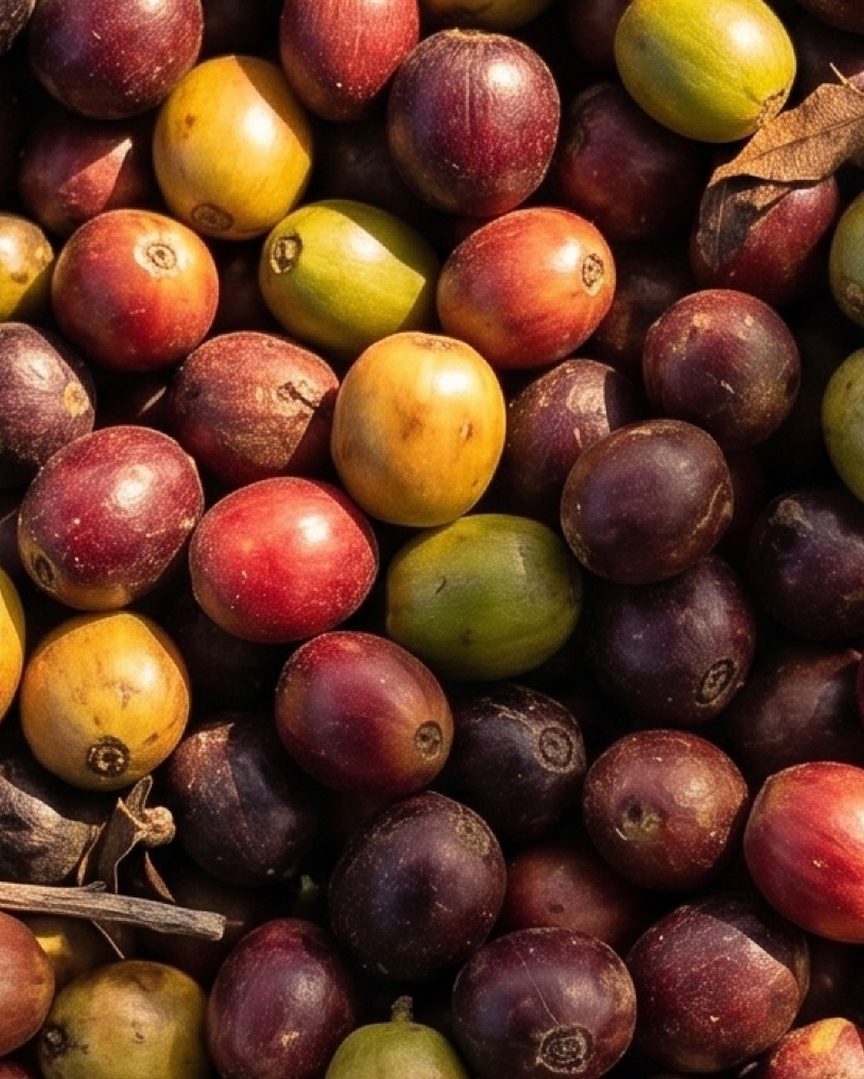
The cup is evidence.

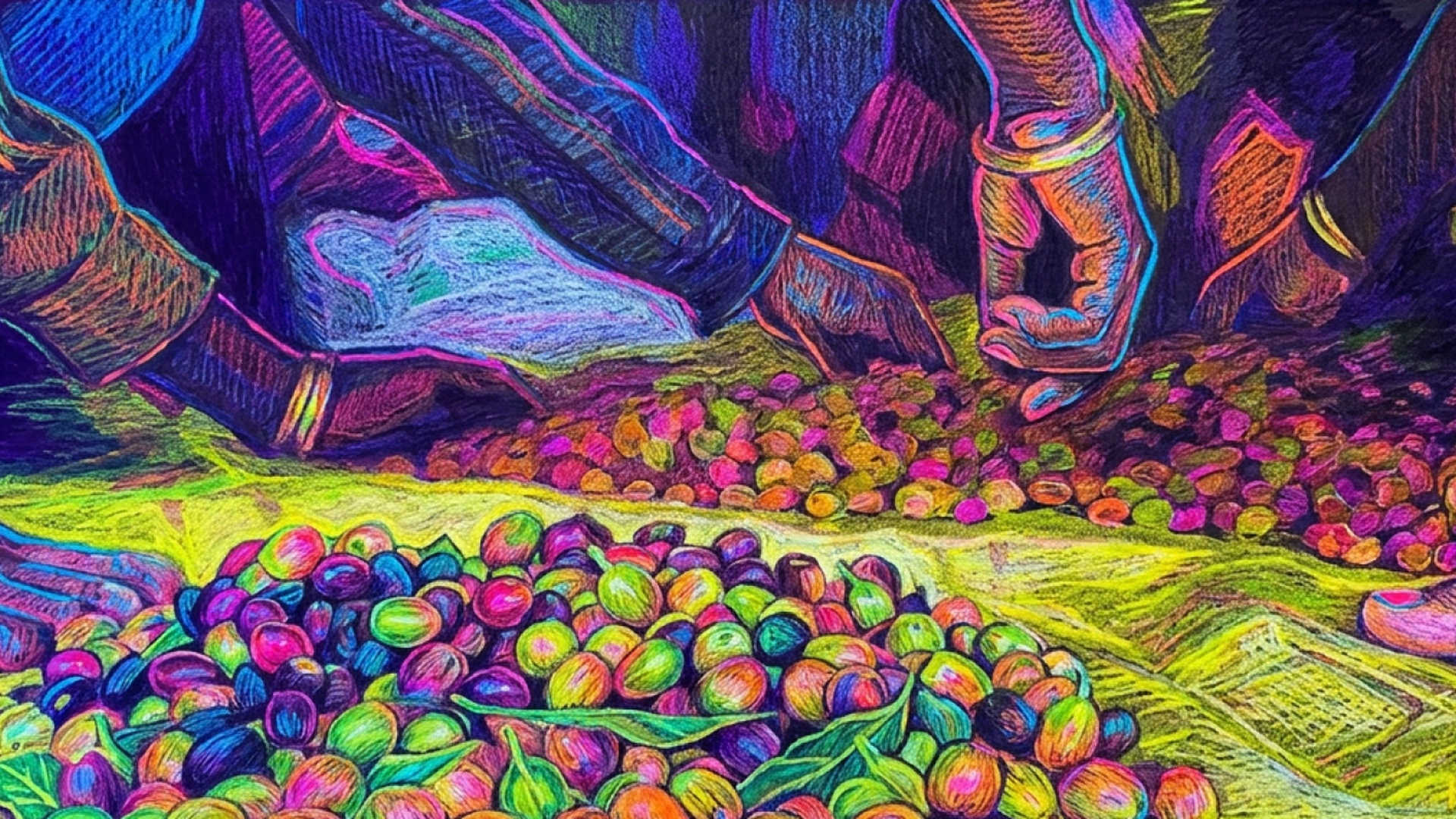
Coffee is usually discussed through flavour notes alone. But flavour is accumulated consequence.

Every cup contains decisions made months earlier: canopy management, microbial health, rainfall timing, fermentation discipline, drying rhythm, and restraint.

What ends up in the cup is what the land did, what the weather did, and what the team chose not to do.

We are not building a BRAND. We are building a COFFEE that will still be RECOGNISABLE in a HUNDRED YEARS.

The discipline.

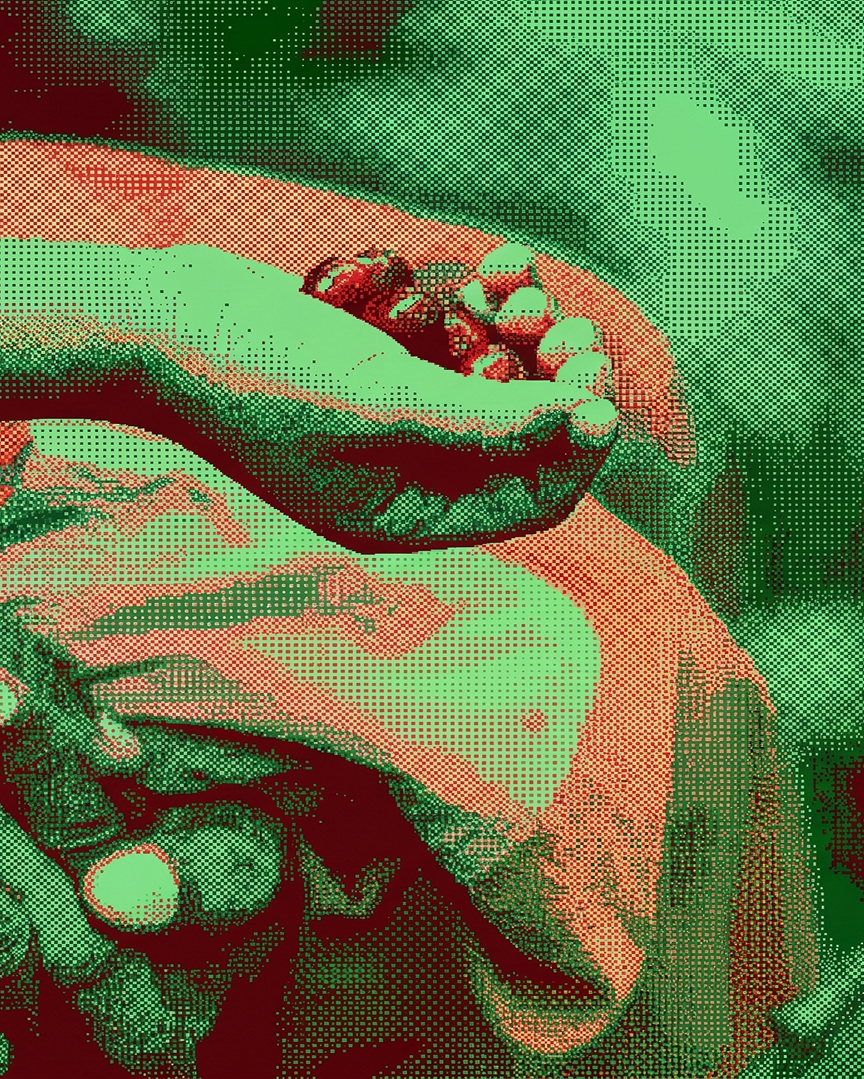
Only fully ripe cherries are plucked. Minimum ripeness 95%. All floats — the under-dense beans that rise in water — are removed from every lot. Fermentation ends at pH 4.2. The temperature pattern through the process is the climate of the estate, printed into the bean: 21 °C morning, 32 °C afternoon, 18 °C night.

95%+

Minimum ripeness at pick.

Every lot

Floats removed.

4.2

Fermentation end pH.

3,600 ft

Altitude.

6.0–6.5

Soil pH, laterite.

Sln.9 + Sln.795

Arabica cultivars.

80+ SCA

Cupping target.

3–5×

Carbon vs monoculture.

UNESCO

Biodiversity zone.

The CUP is not the PRODUCT. The CUP is PROOF.

The lots.

Six distinct micro lots each harvest. The same cherries, the same land — six different decisions in the wet mill.

Terroir alone does not explain the spread between them. Terroir expressed through technique does.

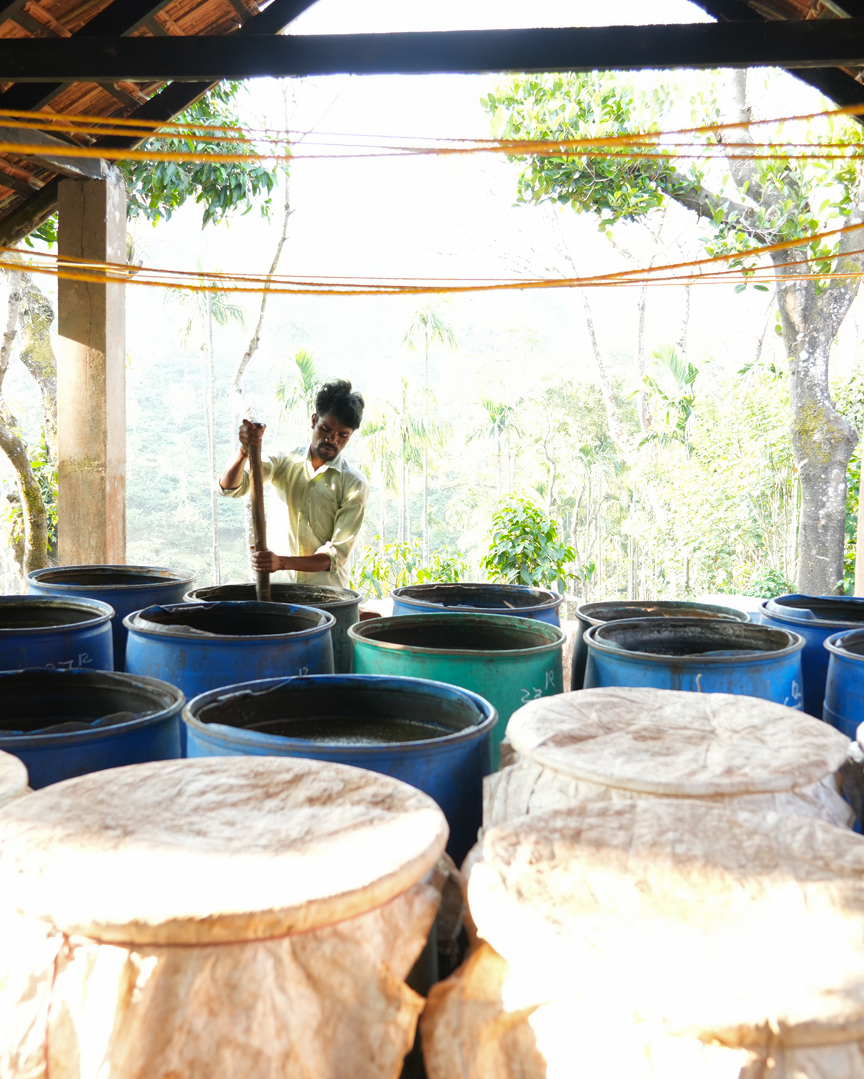
Sealed stainless-steel ferment tanks — Anaerobic Natural lot at Sampigelkhan Estate

Lot 001 — Anaerobic Natural.

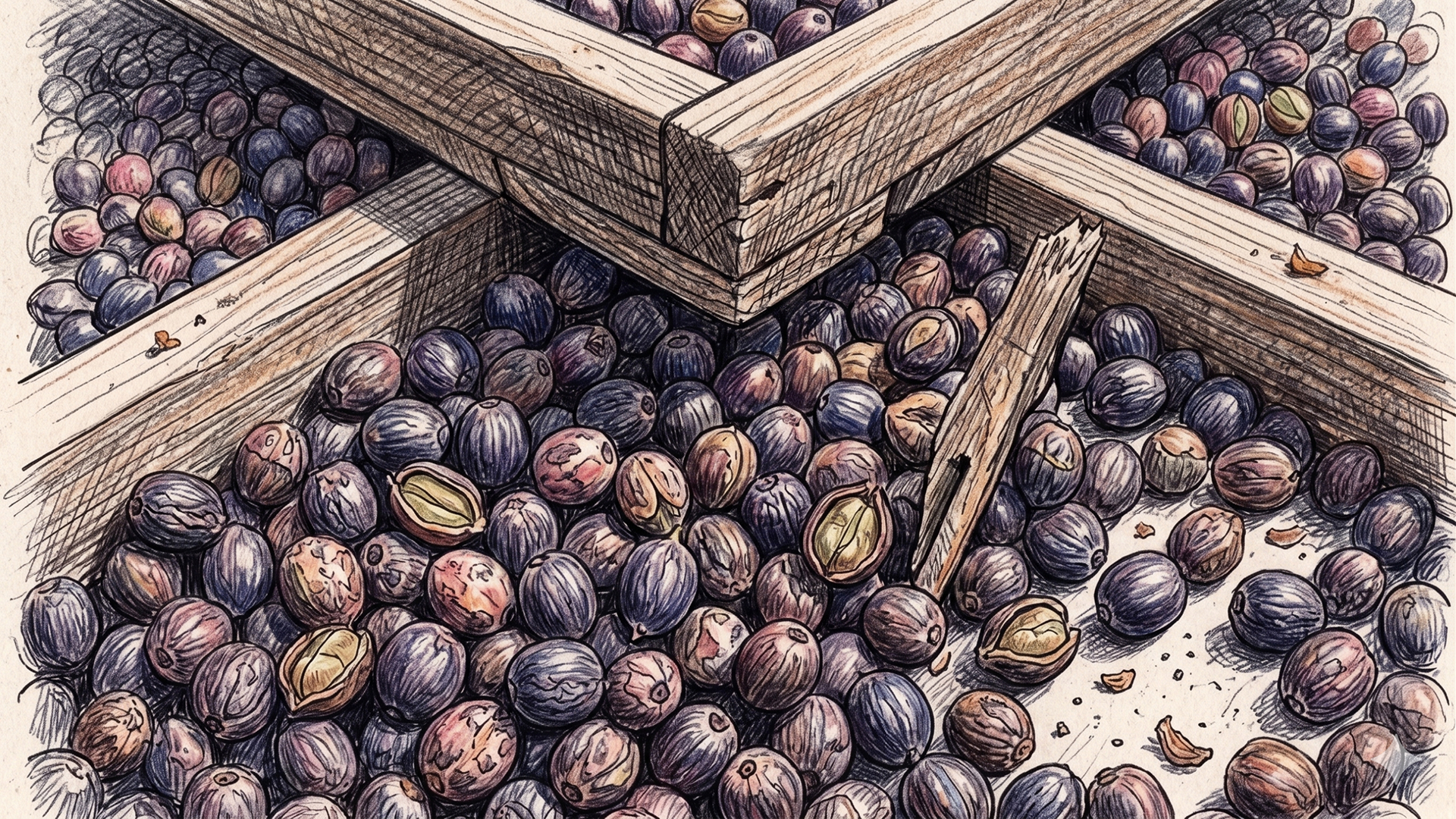
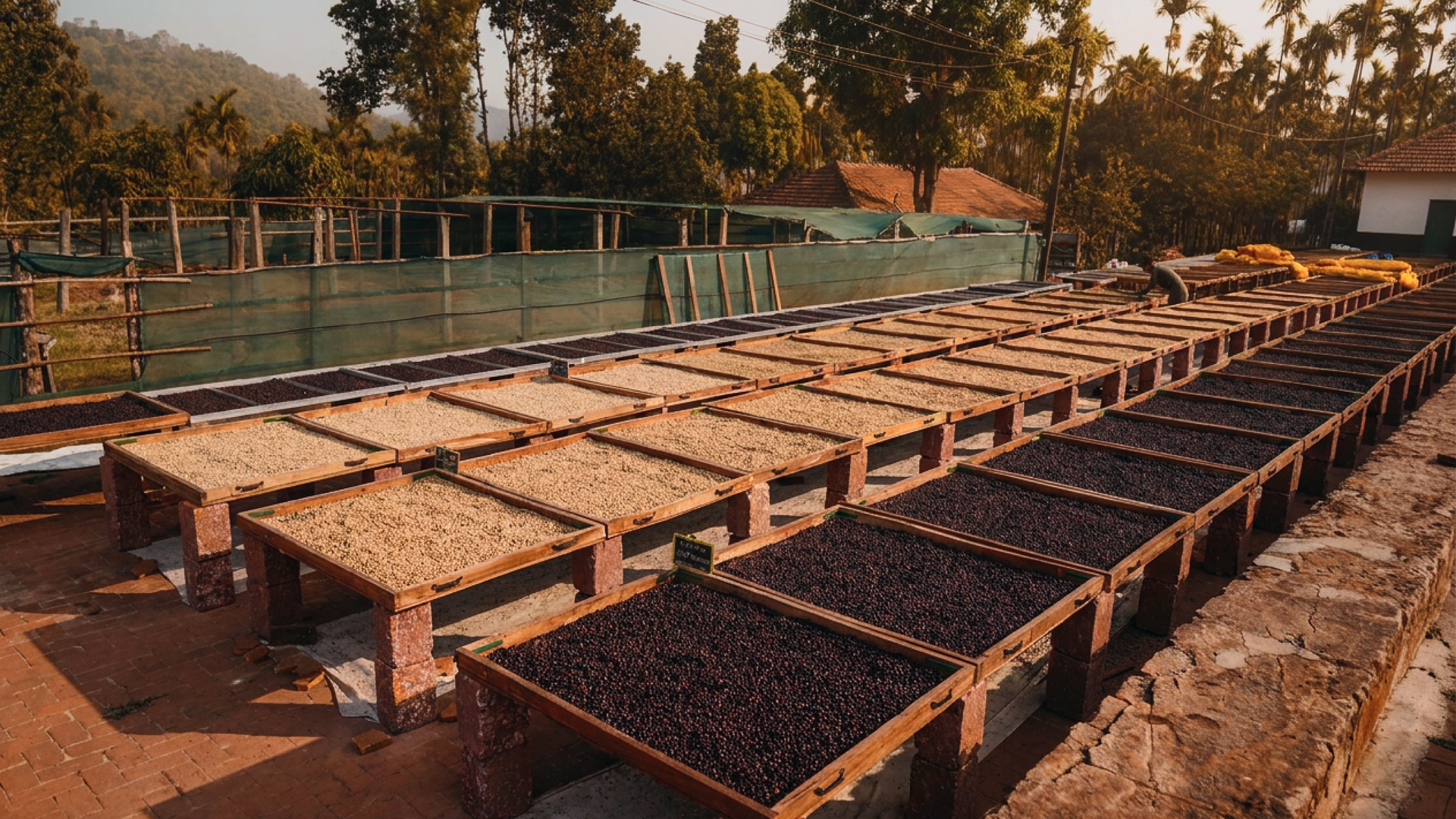
11,984 kg harvest, 1,151 kg immature removed, 878 kg floats. 48 hr sealed ferment. Water TDS29.28 ppm. 22 days drying on raised beds. The simplest method — where the cherry’s own microbial environment does the work.
Cherries dried to 45% moisture before fermentation — Dry Osmosis lot

Lot 002 — Dry Osmosis.

8,726 kg harvest, 229 kg immature (lowest ratio, exceptional selection), 720 kg floats. Brix 19.55%. Dried to 45% moisture, then 48 hr anaerobic. 25 days drying. Notes: blueberry, fig, raisin.
Red Honey lot — sticky mucilage on parchment, named Liquid Gold

Lot 003 — Red Honey · “Liquid Gold”.

6,715 kg harvest, 880 kg immature, 511 kg floats. Brix 19.25%. 48 hr anaerobic, pulped with mucilage on. 5 days thick drying, then 25 days thin. Notes: honey, caramel, nutty. Named “Liquid Gold” at its first public tasting.
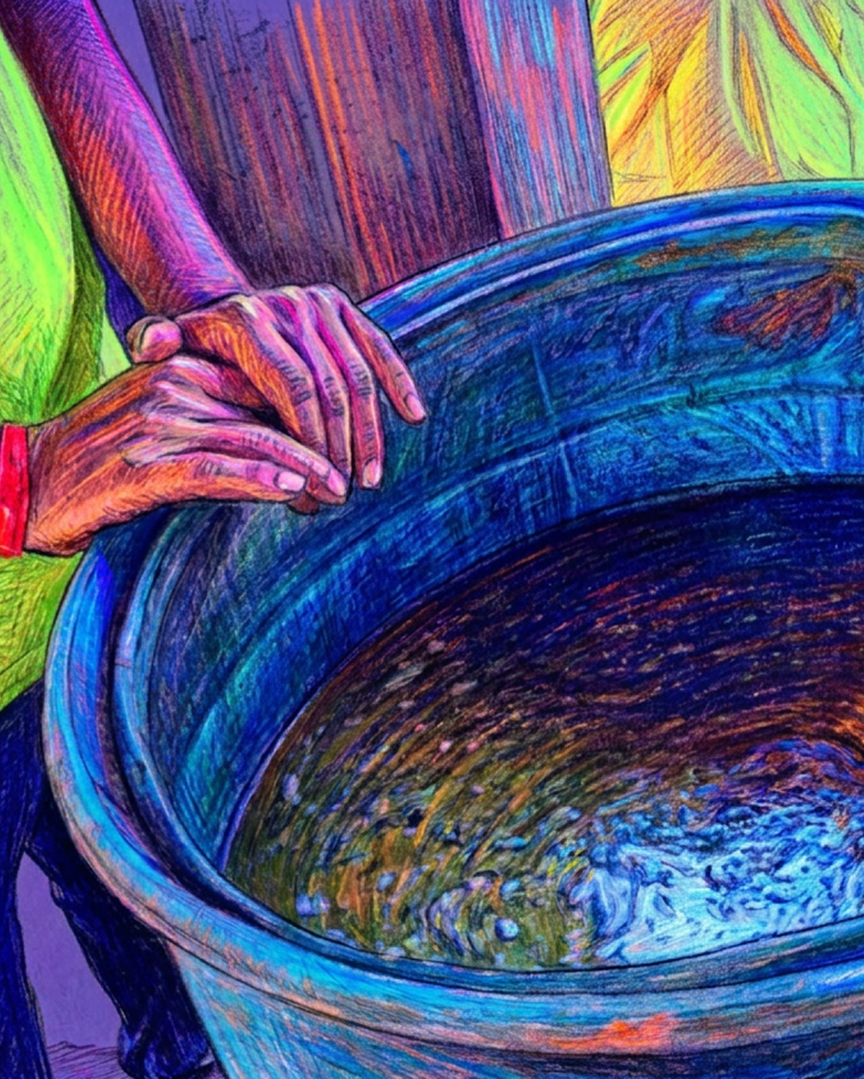
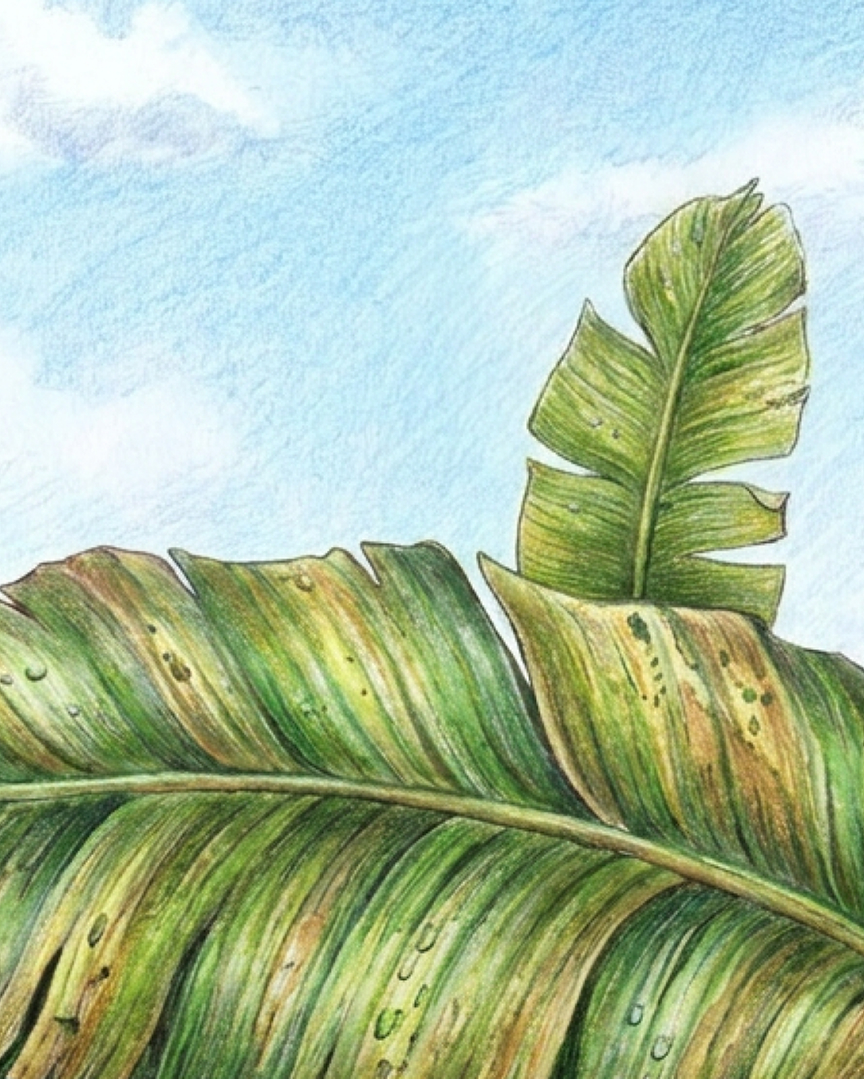
Banana leaves layered over fermenting cherries — Banana Wash lot

Lot 004 — Banana Wash.

8,086 kg harvest, 1,241 kg immature, 673 kg floats. Brix 19.25%. 24 hr anaerobic, then pulped and layered with banana leaves for 48 hr more. The leaves contribute wild yeasts and a micro-environment. The most distinctly Indian lot.

Lot 005 — Solera Maceration · Flagship.

770 kg harvest, 179 kg immature, 80 kg floats. Brix 18%. Water TDS 42 ppm. Three-day initial ferment, 50% carry-forward into freshly harvested cherries — the Solera carry-forward. Alternating two-day ferment and rest. Day-night drying to 12% moisture. The flagship.
Hand-washed beans on raised beds — Solera Wash, the rarest lot

Lot 006 — Solera Wash · Rarest.

620 kg harvest, 146 kg immature, 75 kg floats. Brix 23% — the highest of any lot. 24 hr ferment, three-day soak, hand-washed, raised-bed dry. Highest sugar, then everything non-essential stripped away. Ascetic focus applied to coffee.

The CHOICES made by one BATCH shape every batch that FOLLOWS.

Hands sorting green coffee for screen size and defect — SCA grading protocol on the estate

Screen grading — defect analysis per SCA protocol

Solera carry-forward.

The Solera Maceration borrows from sherry production. During the first fermentation phase, actively fermenting cherries are mixed with freshly harvested ones. The microbial culture of one batch shapes every batch that follows.

Over seasons, the microbial community on this estate becomes a character of its own — a signature that belongs to this land and no other. Appellation, in microbial form.

What we are building.

The on-estate lab tests every lot. Brix per zone on harvest day, moisture tracking through drying, screen grading and defect analysis per SCA protocol. Every lot is cupped — target 80+ specialty.

The next build adds caffeine and polyphenol profiling, on-site Q-grader certification, and a 1,200 sq ft lab with a cupping room for buyers who want to taste the harvest where it grew.

We are not chasing trends. We are documenting what the land produces when you pay attention.

Green coffee laid out on a sorting table — second pass of screen grading at the estate lab

Second pass — every defect logged, every screen size recorded

By invitation.

Aura coffee is not sold by the hundredweight to commodity buyers. It is allocated — by lot, by harvest, by hand — to roasters, sanctuaries, and cellars that care about provenance.

Promise less, deliver more. We do not roadshow. If the cup interests you, the estate is open.

The cup is evidence.The cup carries decisions inside it.Coffee is agricultural memory made drinkable.Six lots. One harvest.No two cups the same.

One harvest. Six trajectories.

The same Sln.9, picked on the same morning from the same block, becomes six different coffees depending on the ferment. We treat the wet mill the way a winemaker treats the cellar: separated lots, controlled oxygen, temperature logs, Brix and pH measured by hand every four hours.