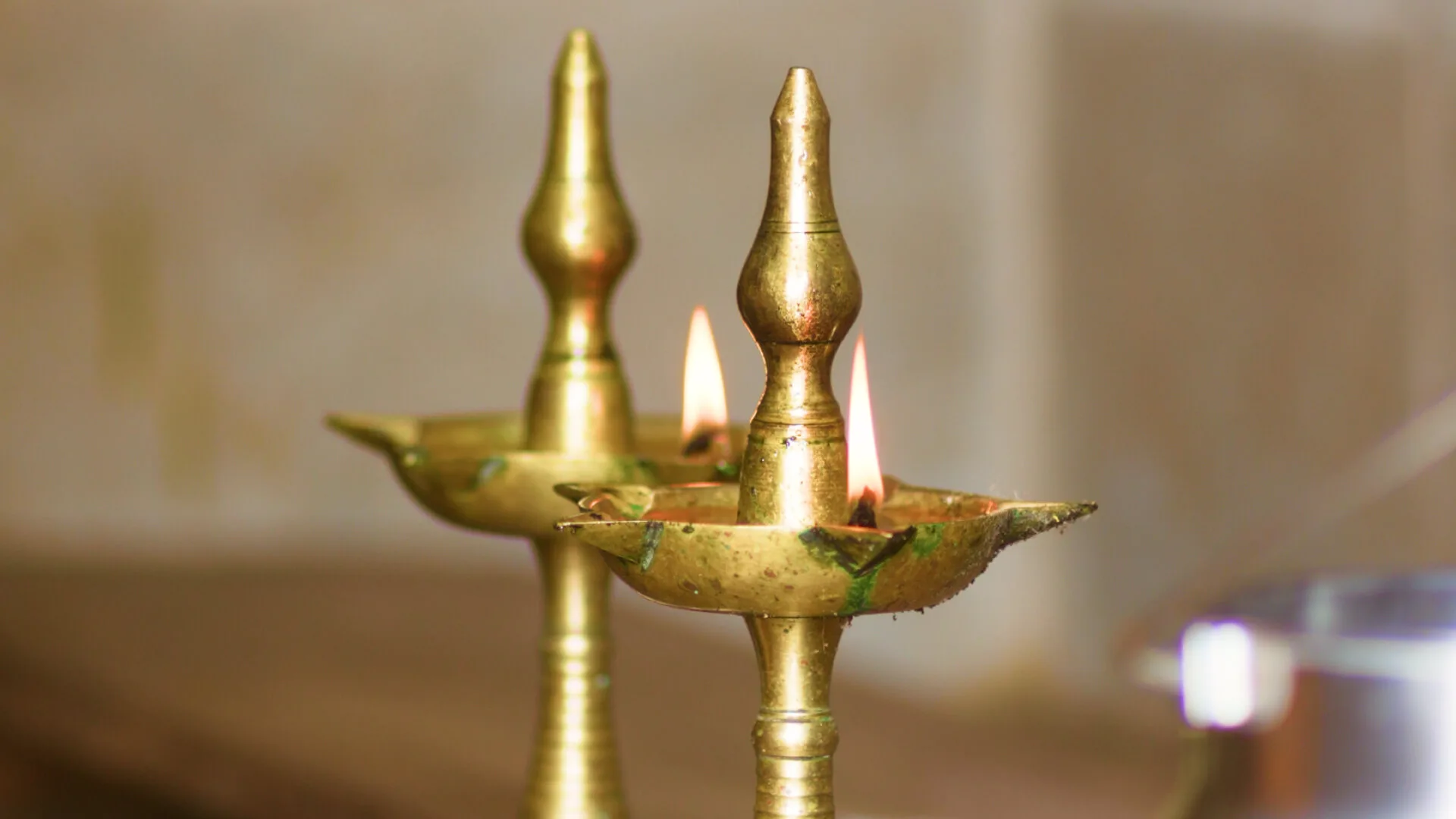
Two brass lamps burning, close, at first light

The lamp at the Gau Angan, lit with ghee from the herd it is lit for

Land, Spirit, Soul

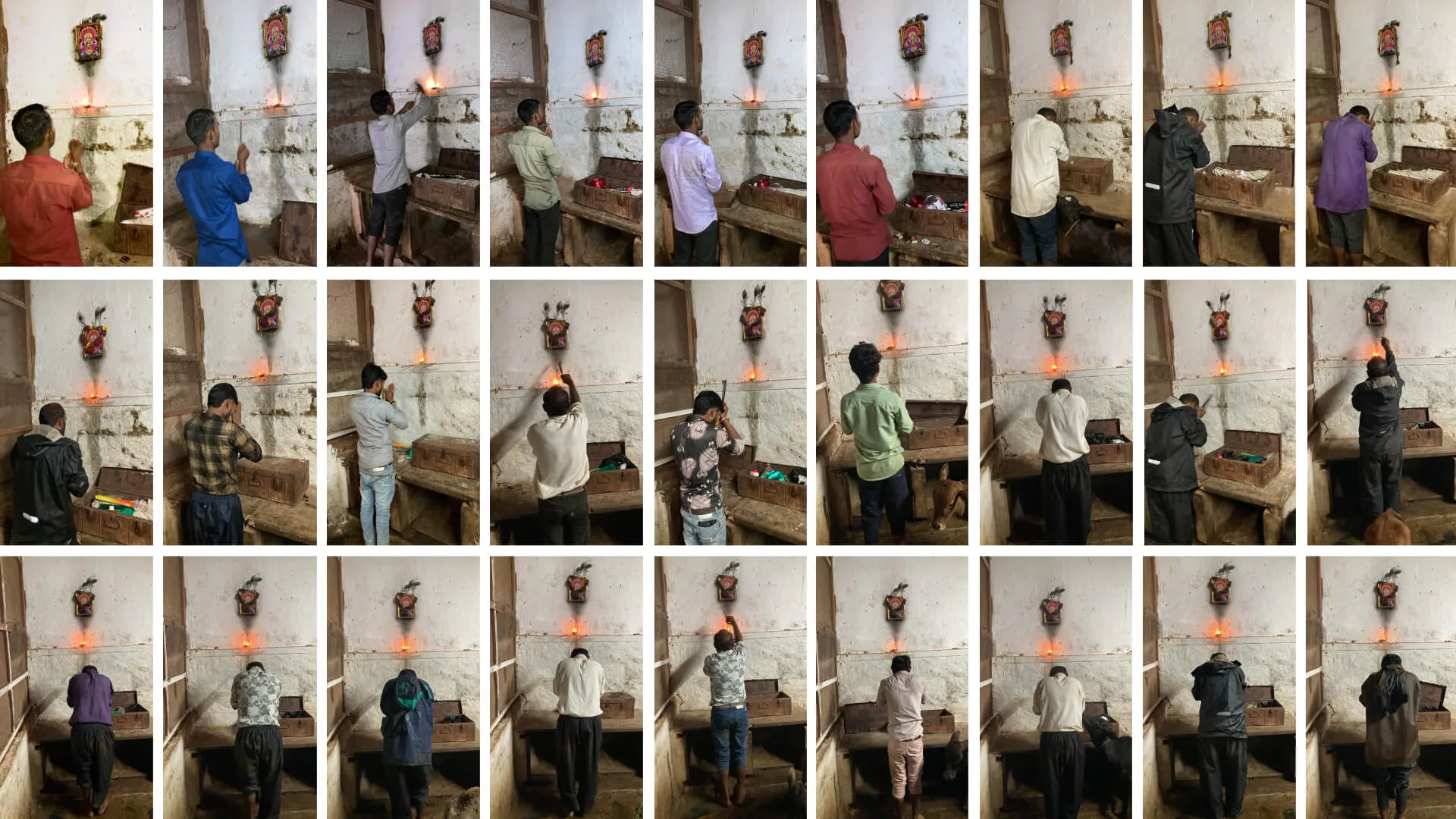
The day starts with a lamp.

Before anyone walks a block, before the barrels are stirred or the herd goes out, a lamp is lit at the Gau Angan and a prayer is said to the cows.

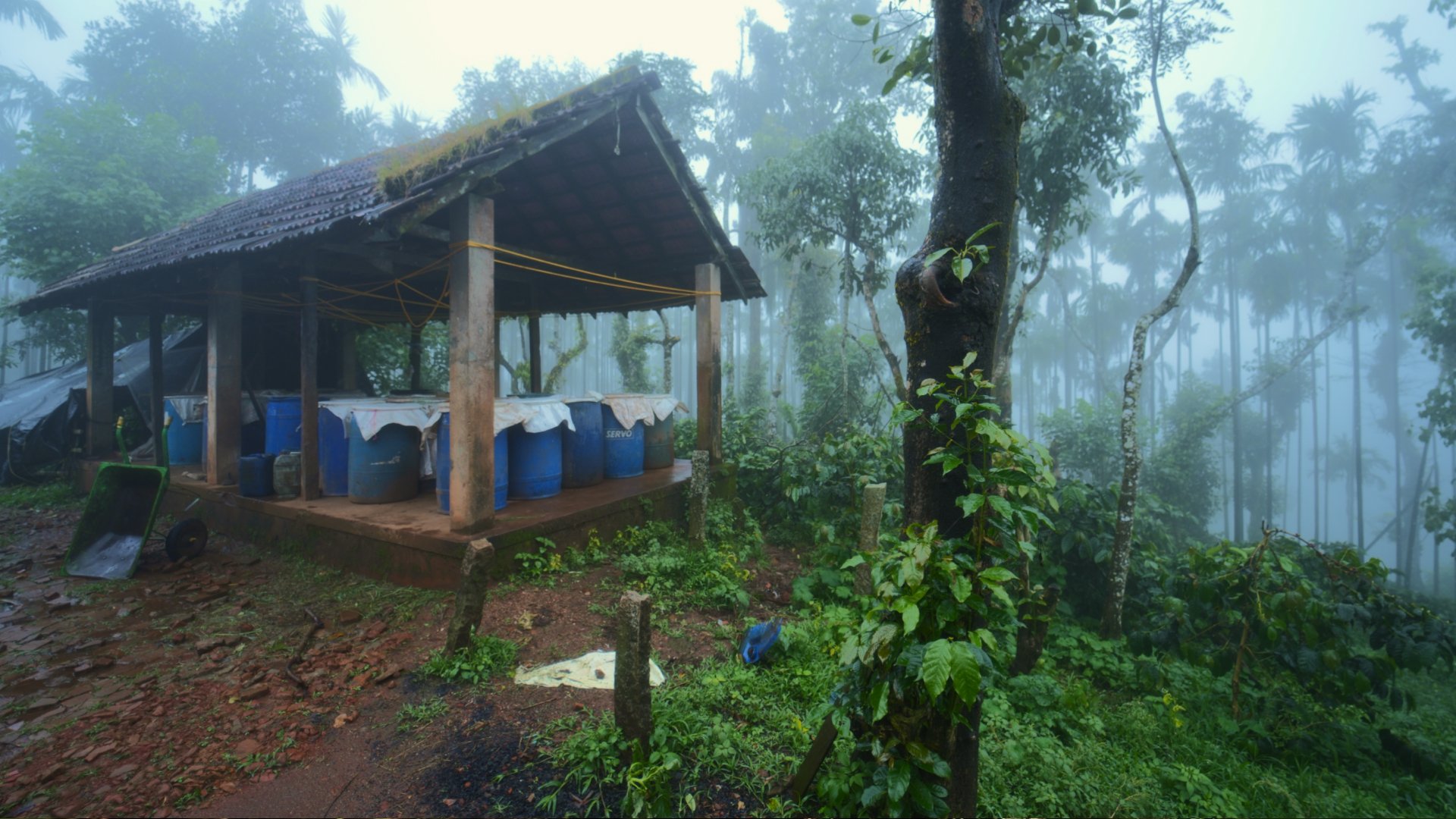
An estate that publishes colony counts and lux readings might be expected to keep quiet about this. Aura would rather explain it, because leaving it out would misdescribe how the place actually runs.
Gaumata

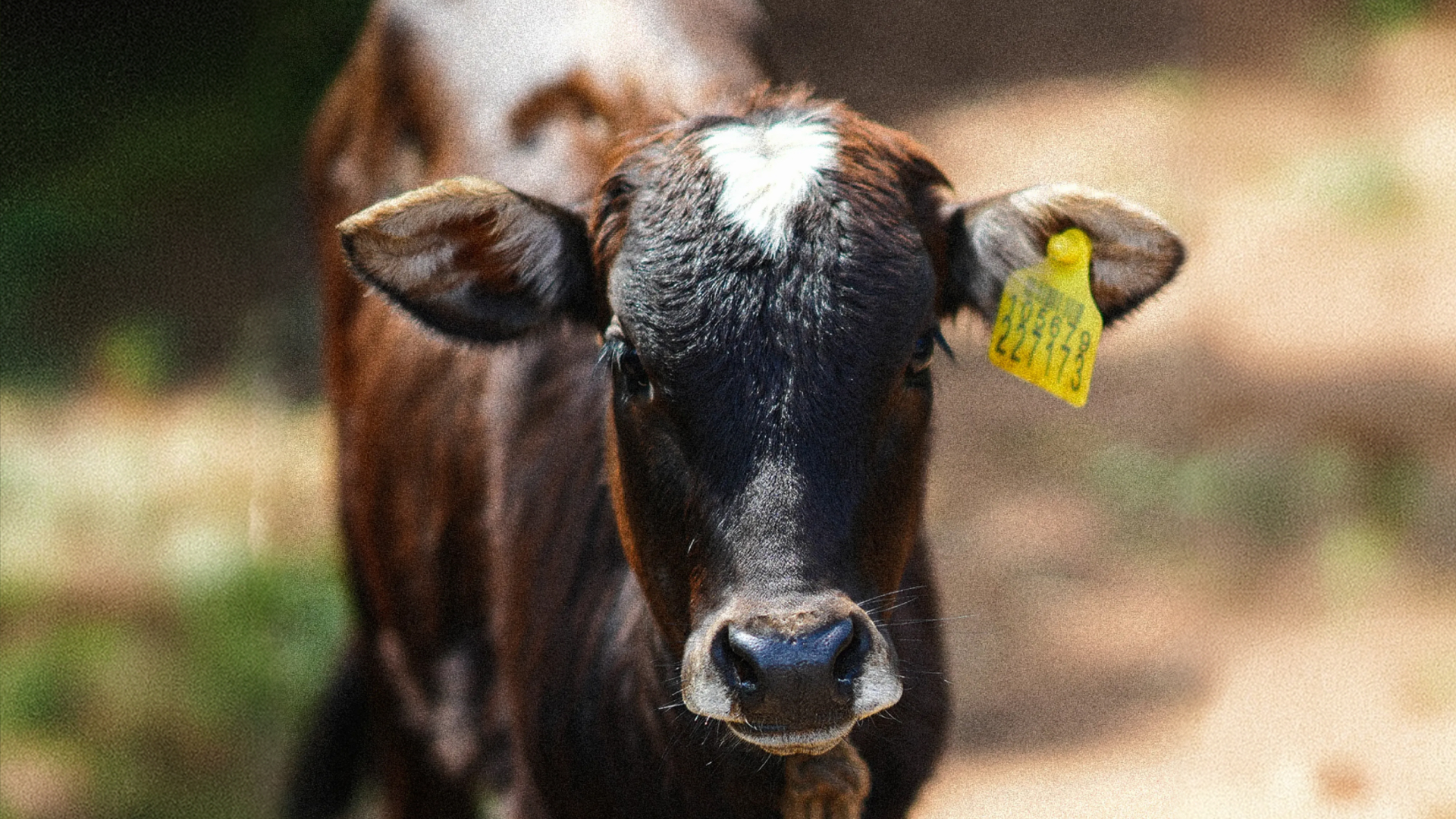
In Indian tradition the cow is Gaumata — a figure of nourishment, abundance, purity and selfless giving. She has held that place in the rural economy for as long as there has been one, feeding people while feeding the ground they farm.

Beginning the day at the Gaushala with prayer acknowledges that relationship directly. On this estate it is also a plain statement of fact about the fertility system: about fifty animals are the reason there is anything to spread on 150 acres.

The lamp is lit with ghee from the cows it is lit for.

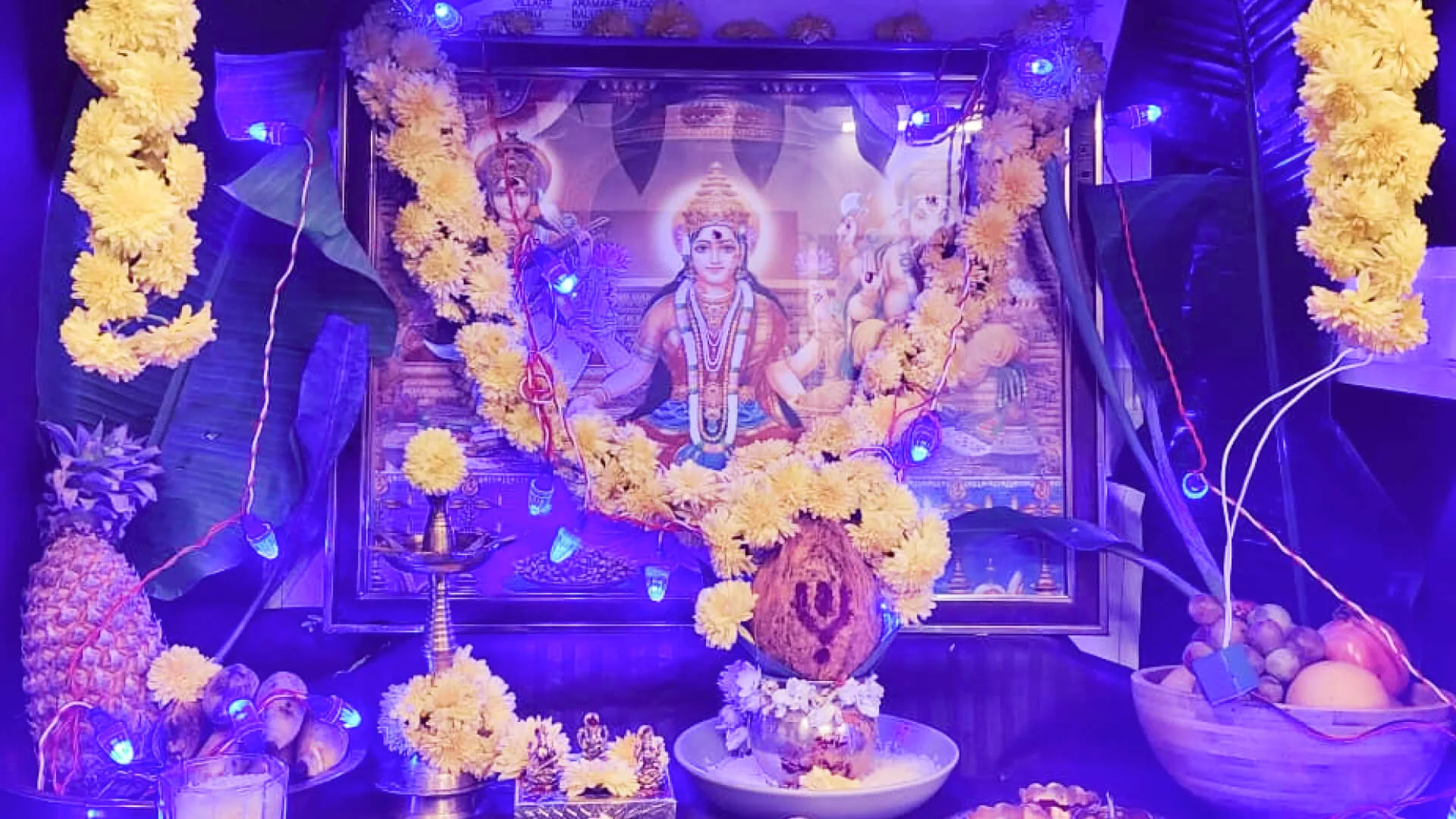
The shrine dressed with marigold garlands, banana leaf and lights

Dressed for a festival — the same wall, the same lamp

What the flame is made of.

The diya brings light into the space — the ordinary meaning, dispelling darkness, inviting clarity and a settled start.

When it is lit with cow ghee, something else is happening as well. What the animal gave is offered back to her as flame. Given, received, and returned in the same morning.

Everyone here recognises that shape. It is the same one the estate draws on paper as a closed loop of fertility: dung to preparation, preparation to soil, soil to the plant the herd will graze. The ritual states it in one gesture. The lab states it in colony counts. Neither is a decoration on the other.

The diya brings light. The prayer brings intention. The cow gives nourishment. The Gaushala is the care owed back.

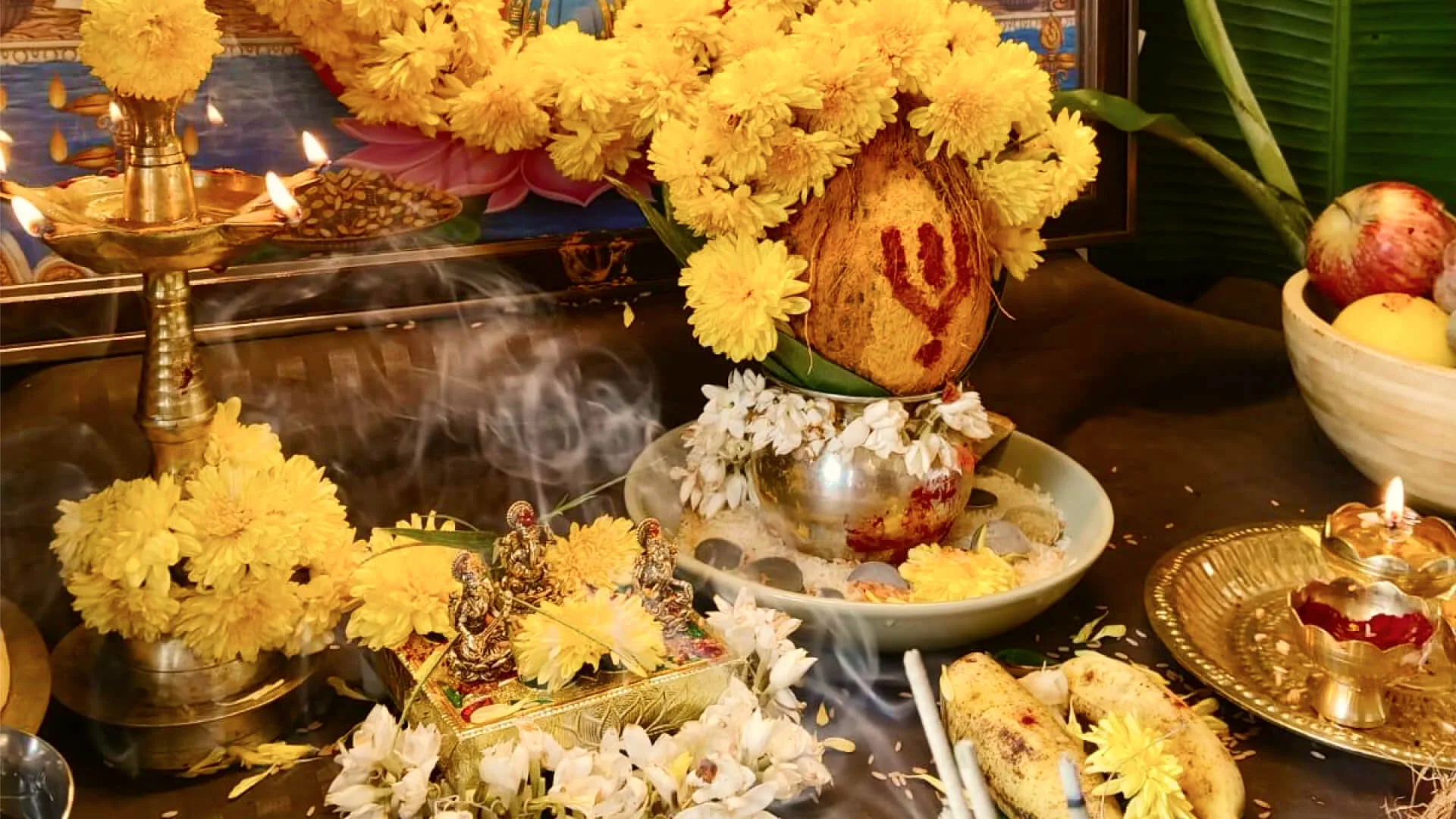
A pooja laid out with marigolds, brass lamps, a garlanded coconut and incense smoke

The same address, on the days it is made at length

Addressed to the whole system.

The prayer at the Gaushala is addressed to the whole system. A plantation works because an enormous number of organisms are working: cattle, insects, birds, microorganisms, plants, and the people who show up.

The morning is a moment to acknowledge that none of them is optional, and that the arrangement runs in both directions. The estate takes from all of it, daily. The practice is a reminder to put something back with the same regularity.

Before anyone walks a block

The significance is in the repetition.

The significance is in the repetition. Performed every morning, it makes a small pause before work that returns everyone to one idea: we are part of nature, not separate from it.

Held daily, that idea becomes a working habit — compassion, responsibility and gratitude, carried out of the Gaushala and into the blocks.

The diya brings light. The prayer brings intention. The cow stands for nourishment freely given. The Gaushala stands for the care owed back. Aura measures a great deal of what happens on this estate, and has never found a way to measure that. It is kept anyway, at six in the morning, every day.