Aura reads its estate as one living system — canopy to root, dead wood to fungus to earthworm — and folds every reading into a single Ecological Health Index for each block, so regeneration is measured, not assumed.

The Living System

The farm is read as a living system.

A coffee estate is a forest that produces coffee — canopy, shade trees, understory, soil, fungi, insects, birds, and water, all working at once. Aura runs the whole of it as a single system and, crucially, measures it: not how much compost was spread or how many rows were weeded, but what the ground and the canopy are actually doing in response.

That is the shift — from recording activities to reading ecological outcomes. Above ground, the canopy is mapped in light and pruned to prescription. Below ground, the soil is read for its breath, its worms, its fungi, and its roots. Each is a separate monitoring programme with its own method and rhythm, and together they answer one question: is the land coming back?

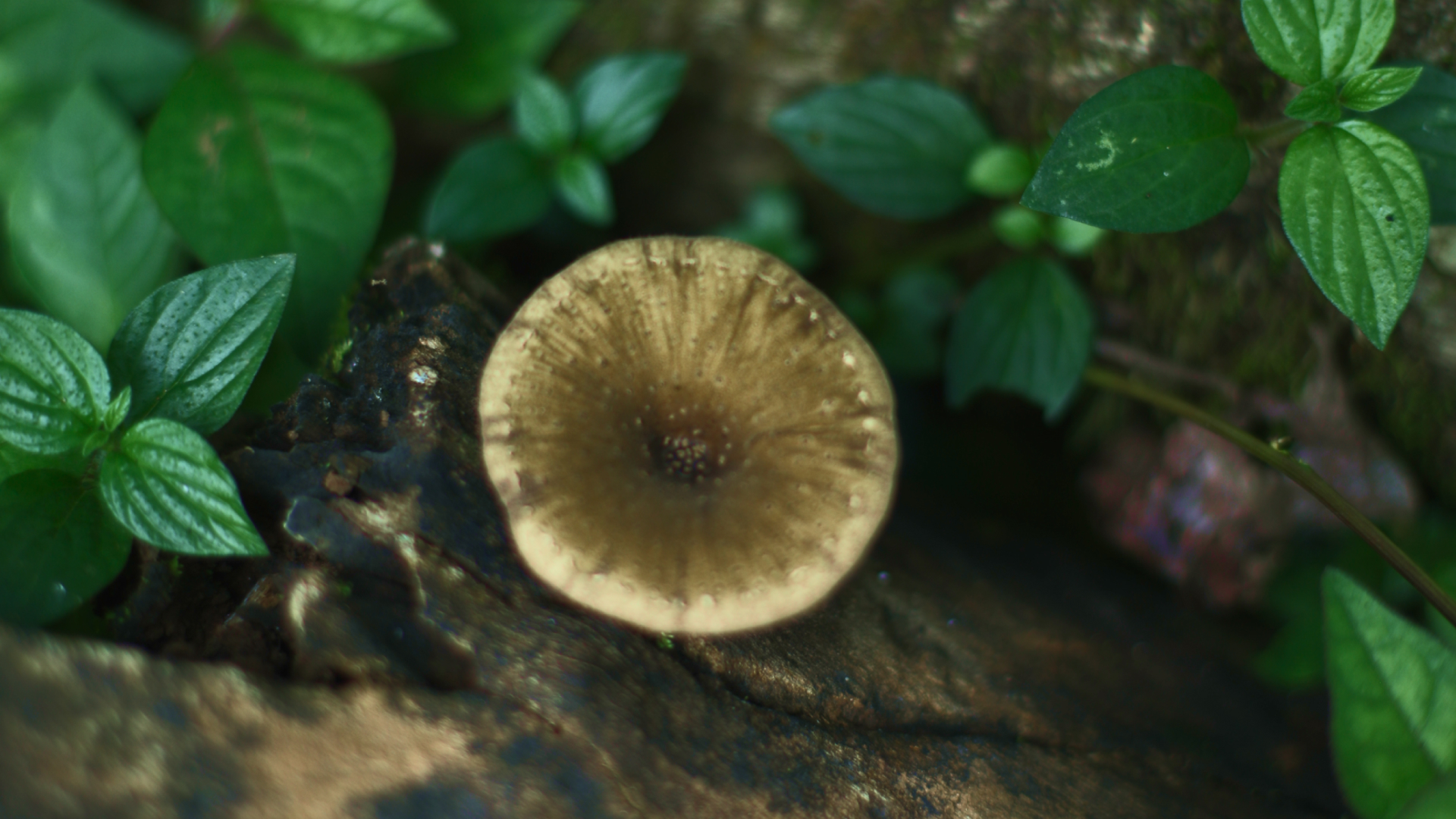
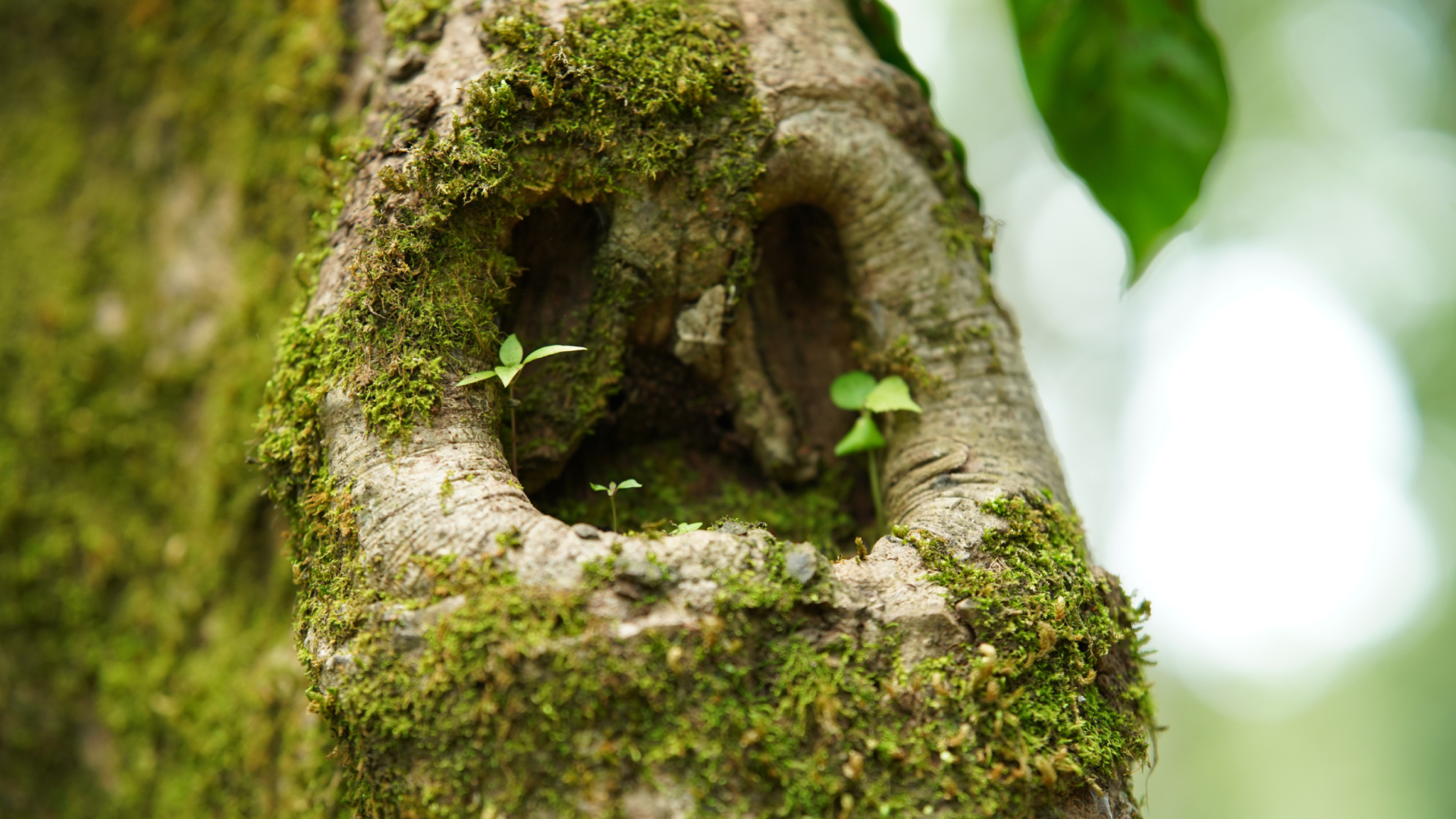
Moss and fungi colonising a hollow in dead wood

A mossed hollow in fallen wood — the start of another life, not the end of one

Dead wood is food for the forest.

In most plantations a fallen branch is cleared or burned. In a forest it is the start of another life. Aura keeps its woody biomass — from shade whiskering, pruning, and natural tree-fall — inside the block it came from: cut to sixty-to-ninety-centimetre lengths and stacked to break down where it lies, food for the fungi rather than waste to be removed.

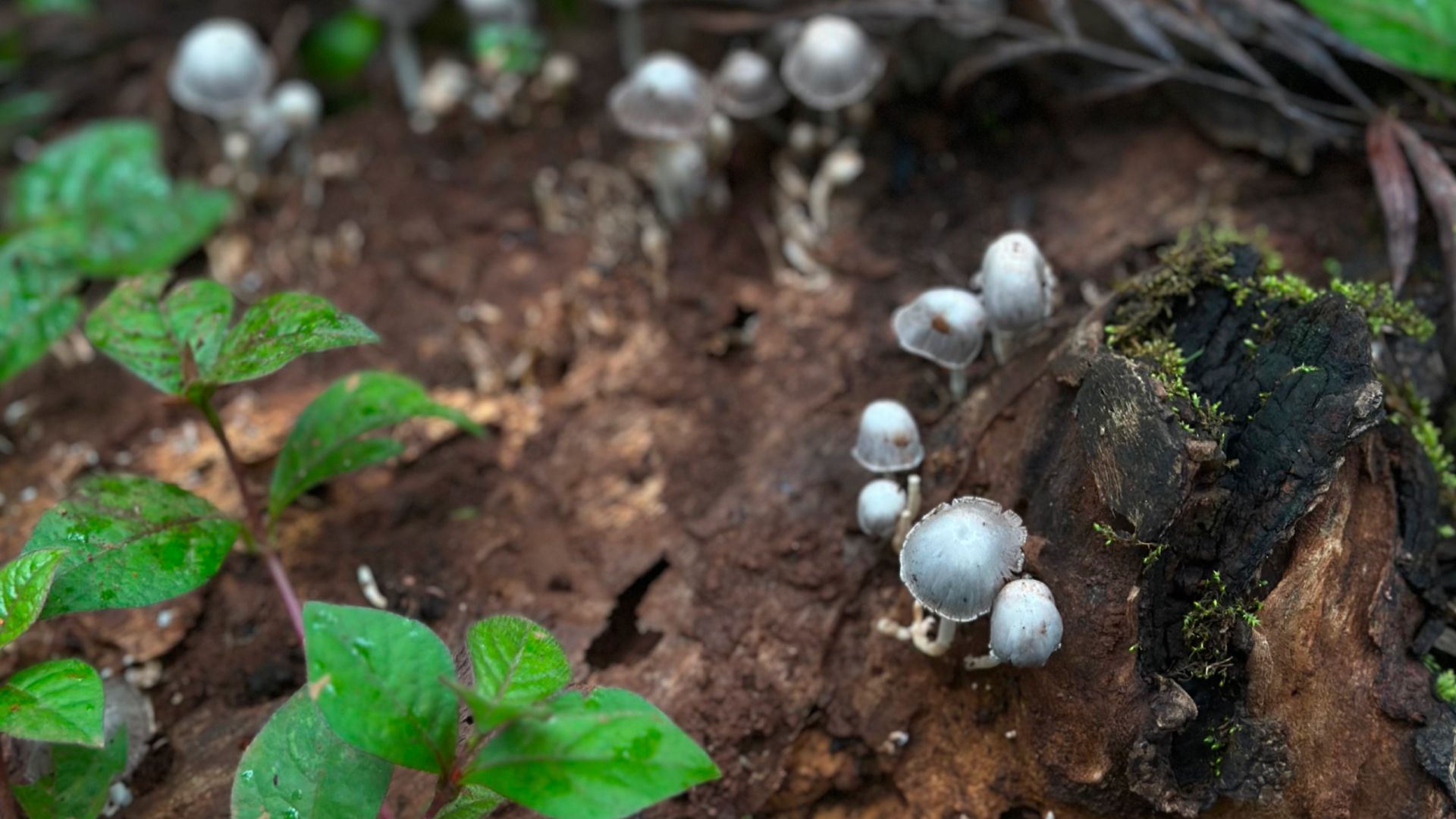
Wood is mostly lignin, and almost nothing can break lignin down except saprophytic fungi. As they work, the estate reads the decay: a decay class from I to V, the source and species of the biomass, the fruiting-body diversity that emerges each monsoon. It is a slow-release resource — carbon and habitat returned to the soil over years, long after the pruning is done.

Woody biomass — monitoring

Biomass retained
kg–tonnes / block · annual
Decay class
Class I–V · quarterly
Fungal colonisation
Presence & abundance · quarterly
Fruiting-body diversity
Taxa observed · monsoon
Carbon returned
kg C / block / year · annual

Branches cut to 60–90 cm and stacked in the block they came from.

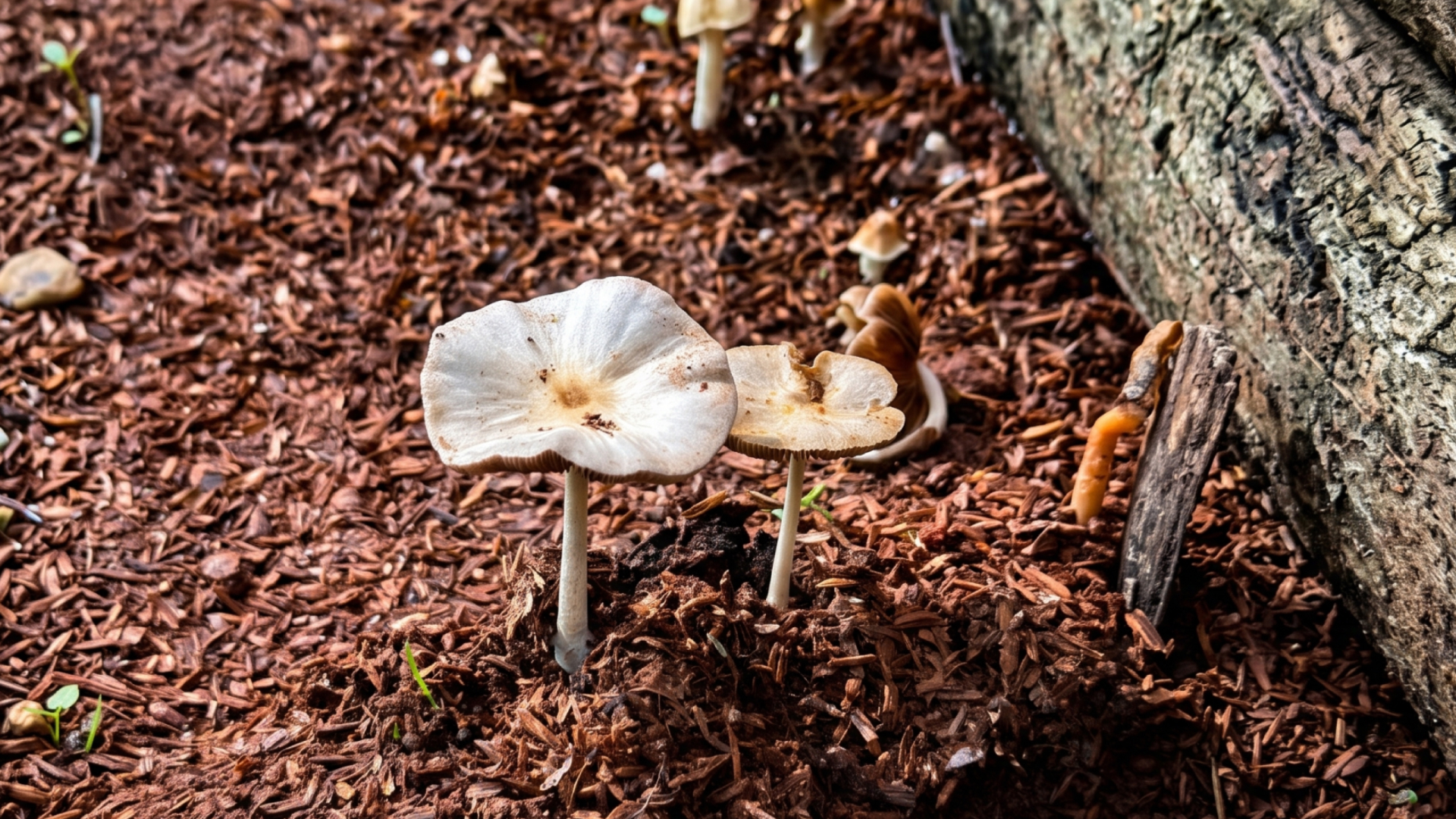
A cluster of white mushrooms rising through leaf-litter mulch

Saprophytic fungi fruiting through the mulch — lignin, becoming soil

Forest islands, and the forest floor.

Where a natural forest concentrates biology in undisturbed pockets, Aura builds them on purpose. A forest islandis a mound — roughly five metres by one, sixty centimetres high — of five alternating layers of green biomass and mature cow-dung compost, inoculated with the herd's CPP and then left completely alone. No turning, no watering: a microbial sanctuary that colonises itself and slowly seeds the soil around it.

Across the rest of the ground, the estate keeps a forest floor. Prunings, leaves, and weeds are returned as a two-to-five-centimetre mulch over bare soil — the skin of the ecosystem, holding moisture, moderating temperature, and feeding the fungi and earthworms beneath. Bare soil is treated as a wound; a living, littered floor is treated as the healthy state.

Forest island

Dimensions
5 m × 1 m × 60 cm
Structure
5 alternating layers, 4–8 cm each
Composition
Green biomass + dung compost
Inoculation
Cow Pat Pit (CPP)
Maintenance
None — no turning, no watering

A forest is nourished not only by what it grows, but by what it leaves behind.

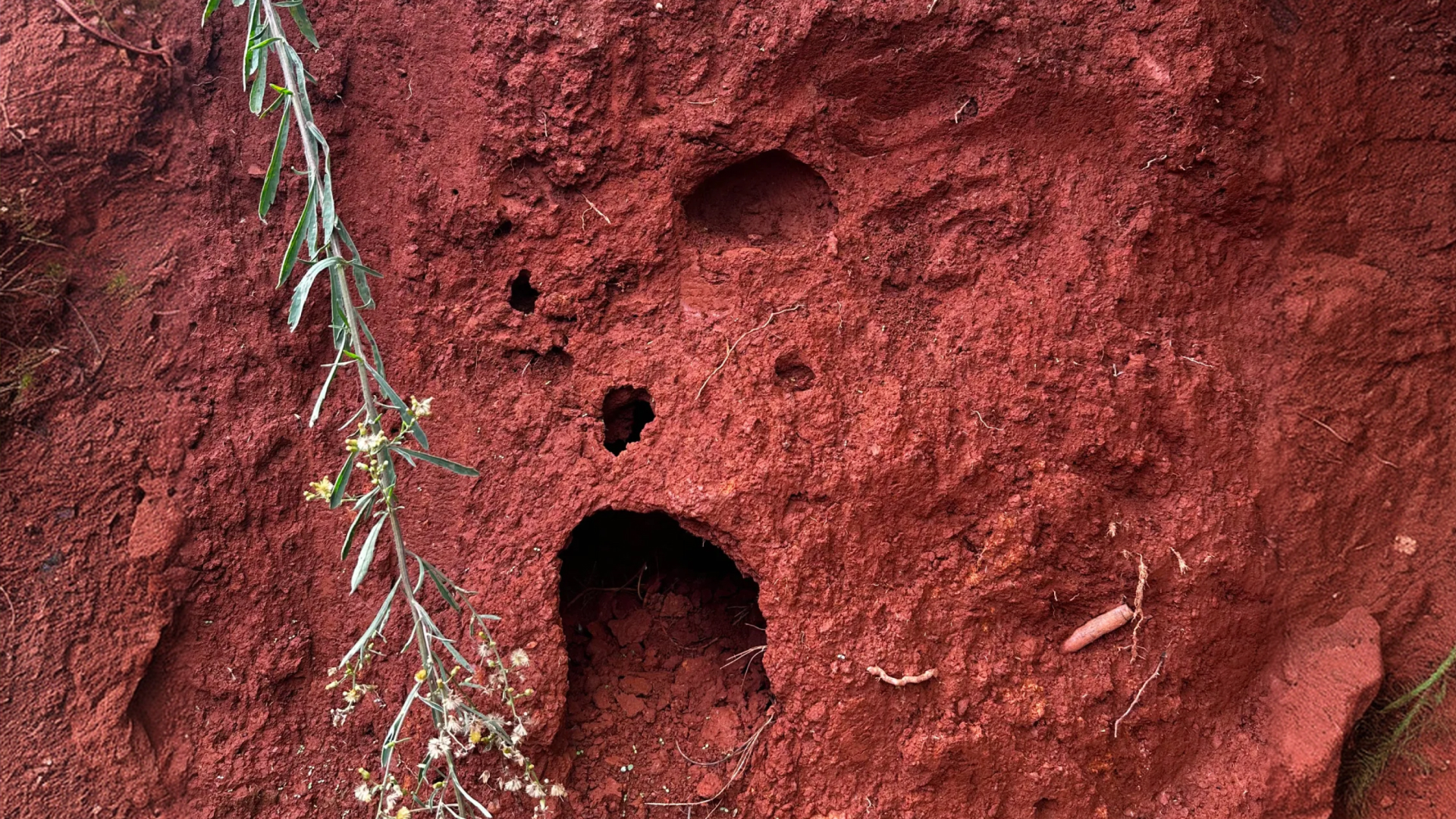
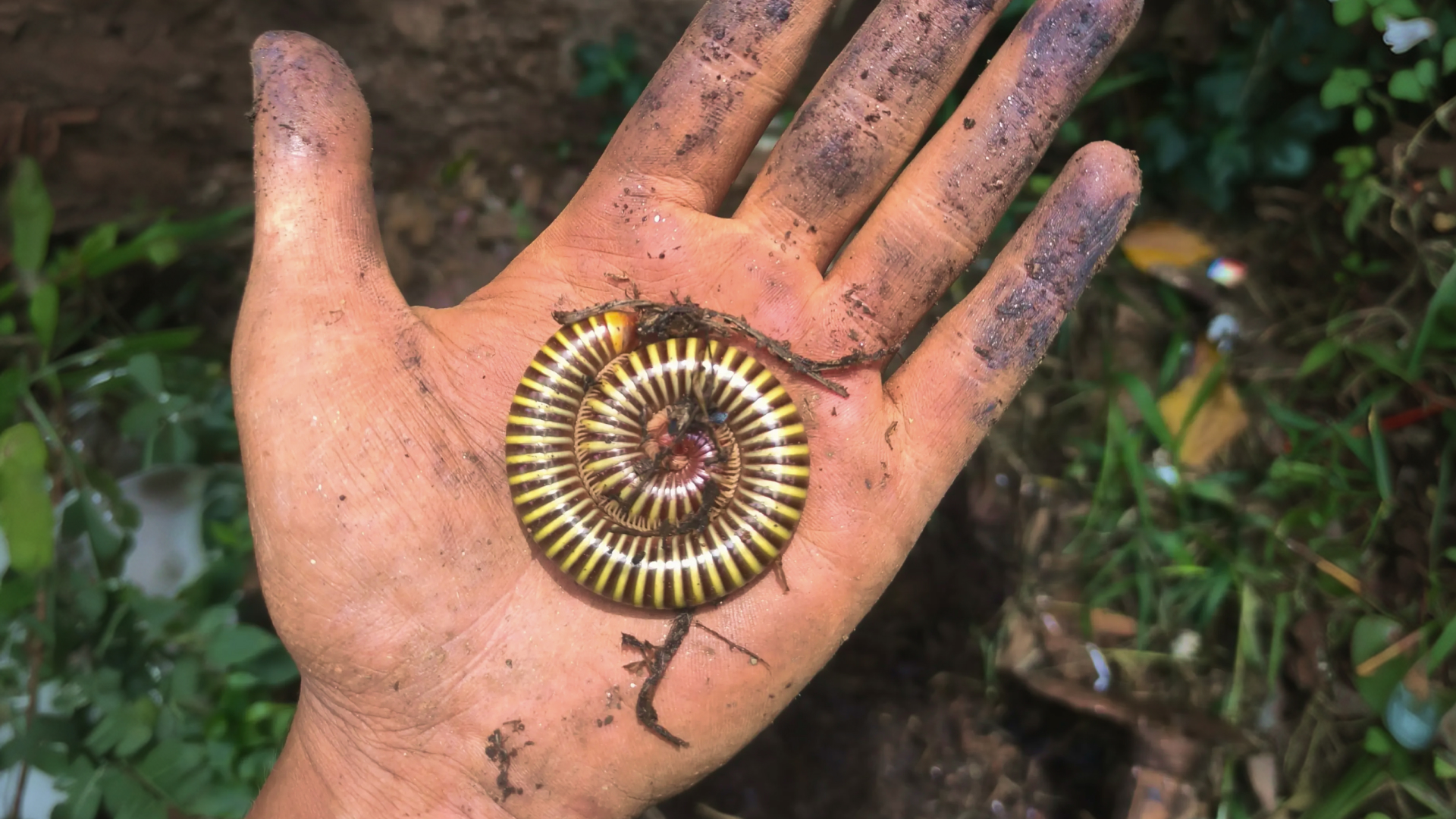
A termite burrow worked into the soil of the forest floor

The hidden workforce — termites, millipedes, and the fauna that fragment the litter

The soil keeps a pulse.

Some of what the soil is doing can be measured in real time. Soil respiration — the carbon dioxide the ground gives off as its life works — is read monthly, and it moves before anything shows in the canopy, registering a soil coming back long before the coffee does. Earthworms tell the same story in a body you can hold: counted each quarter in a fixed square of ground, surface-dwellers to deep-burrowers, a rising population is one of the clearest signs the ground is healing.

Deeper still, the estate reads the roots — the rhizosphere and its mycorrhizal colonisation— alongside water infiltration, aggregate stability, ground vegetation, decomposer insects, birds, and the estate's own indigenous fungal library. Fourteen living readings of one system, each taken on its own clock.

Reading the soil

Soil respiration
NaOH method · monthly · 0–15 cm
Earthworms
50 × 50 cm quadrat · 20–30 cm deep
Earthworm groups
Epigeic · Endogeic · Anecic
Mycorrhizae
% root length colonised · annual
Standard quadrat
1 × 1 m, fixed & photographed
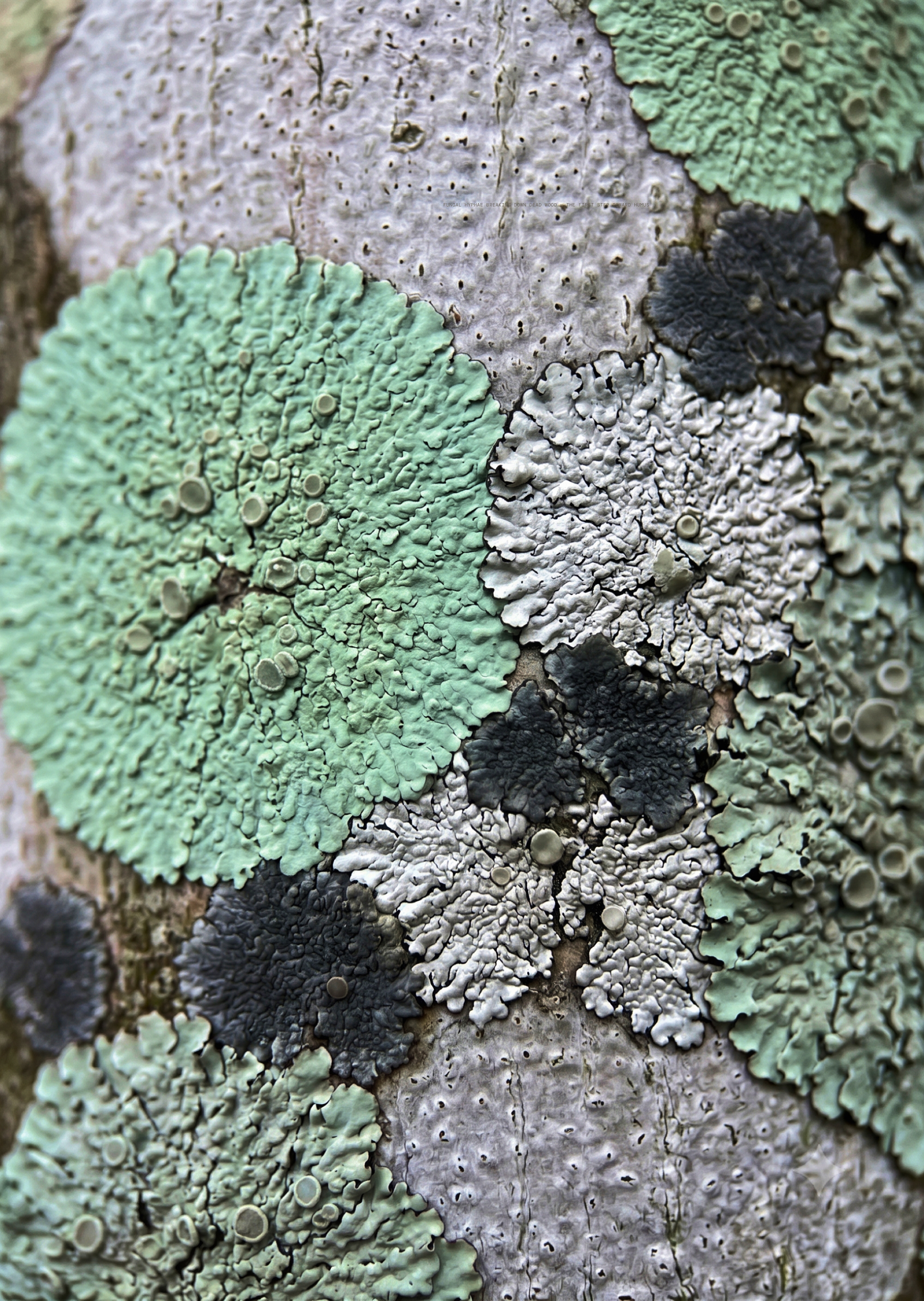
Lichen growing in detail on the bark of a tree
Lichen on bark — an indicator the estate is building into a living library of its own indigenous fungi

Dead wood becomes fungus.Fungus becomes soil.The soil breathes, and the worms count it.Every reading, above ground and below.One system, measured whole.

One score per block.

No single reading can describe a living system, so Aura combines them. Fourteen monitoring programmes — canopy, woody biomass, forest islands, forest floor, ground vegetation, earthworms, respiration, soil structure, roots, decomposers, birds, water infiltration, fungi, and carbon — are each standardised and rolled into one composite score for every plantation block: the Ecological Health Index.

The index is read by block and by band — restoration priority, degraded, regenerating, healthy, excellent — so the estate can compare one stretch of ground against another, watch a block climb season by season, and send the next intervention exactly where the numbers say it is needed. It turns a manual of separate observations into a single map of where the land stands.

Fourteen programmes → one index

Canopy
Shade quality
Woody biomass
Biomass retained
Forest islands
Number & condition
Forest floor
Litter & cover
Ground vegetation
Vegetation dynamics
Soil biology
Earthworm abundance
Microbial activity
Soil respiration
Soil structure
Aggregate stability
Root system
Root health
Decomposers
Decomposer diversity
Avifauna
Bird diversity
Hydrology
Rainwater infiltration
Fungal ecology
Fungal colonisation
Carbon
Soil organic carbon

Ecological Health Index

90–100
Excellent ecological health
75–89
Healthy & resilient
60–74
Regenerating
40–59
Ecologically degraded
Below 40
Restoration priority

One 0–100 composite score per block, assessed annually.

Fungal carbon

Fungal carbon

Dead wood becomes fungus, fungus becomes humus — the slow return of carbon read by decay class and fruiting.
The decomposers

The decomposers

Springtails, millipedes, isopods, termites, and beetles — the hidden workforce that fragments litter before the fungi finish it.
Indigenous fungi

Indigenous fungi

The estate's own fungi, surveyed and — where labs allow — cultured into a living library of Western Ghats strains.

Run on outcomes, not inputs.

The point of the index is a plantation that runs its own ecology — where fungi, worms, and microbes hold the fertility, where carbon stays in the ground, and where a good harvest is a consequence of a healthy system rather than a thing bought in by the sack. Measured honestly, block by block, year after year, the estate moves closer to the forest that coffee first grew inside — the oldest model there is, run with the newest instruments we trust. That is Natural Intelligence, applied to a whole living system, on a horizon measured in generations.