Ohara valley · north of Kyoto · Kyoto Prefecture, Japan

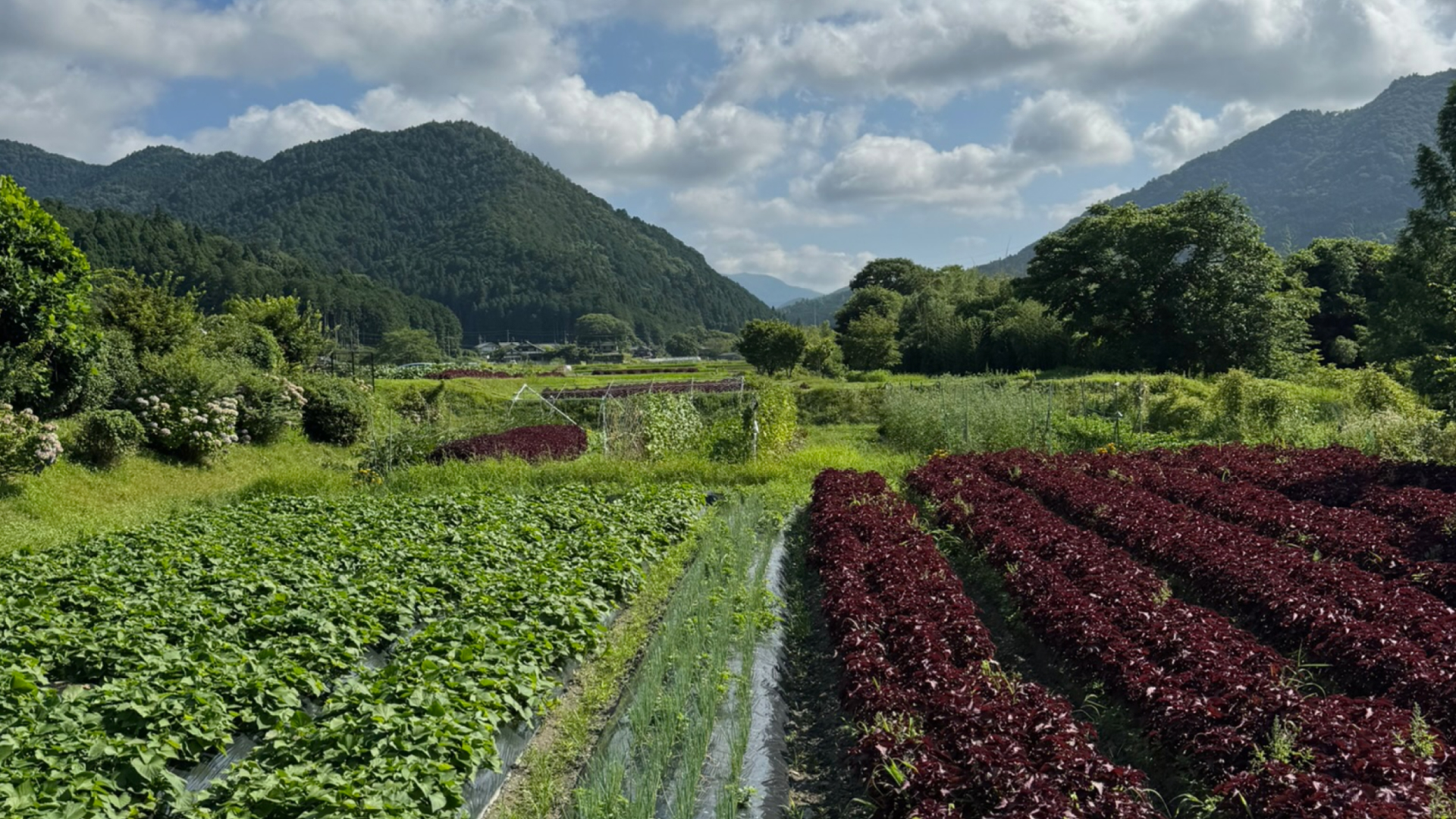
The valley, from the ridge

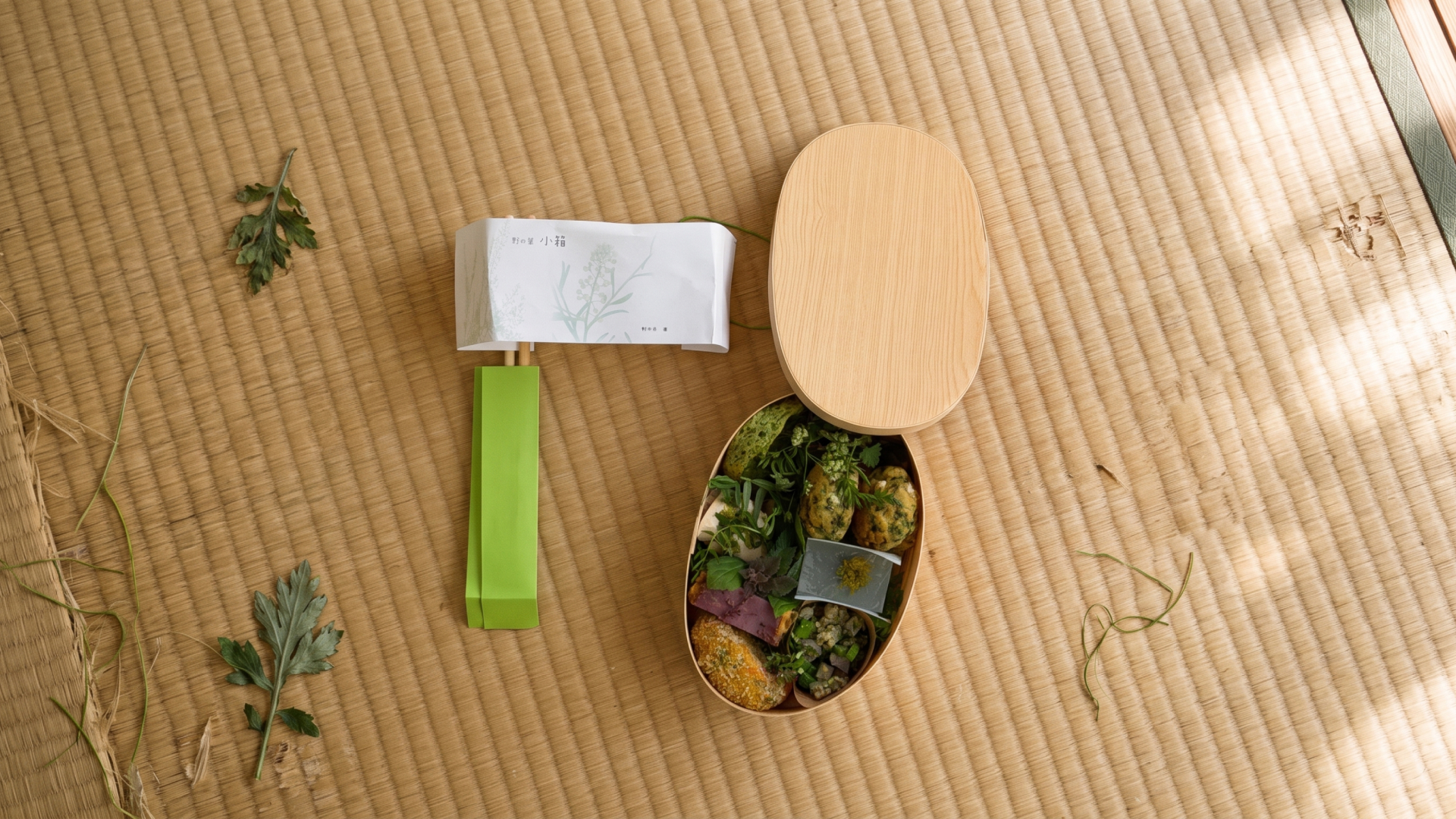
The river, through the valley

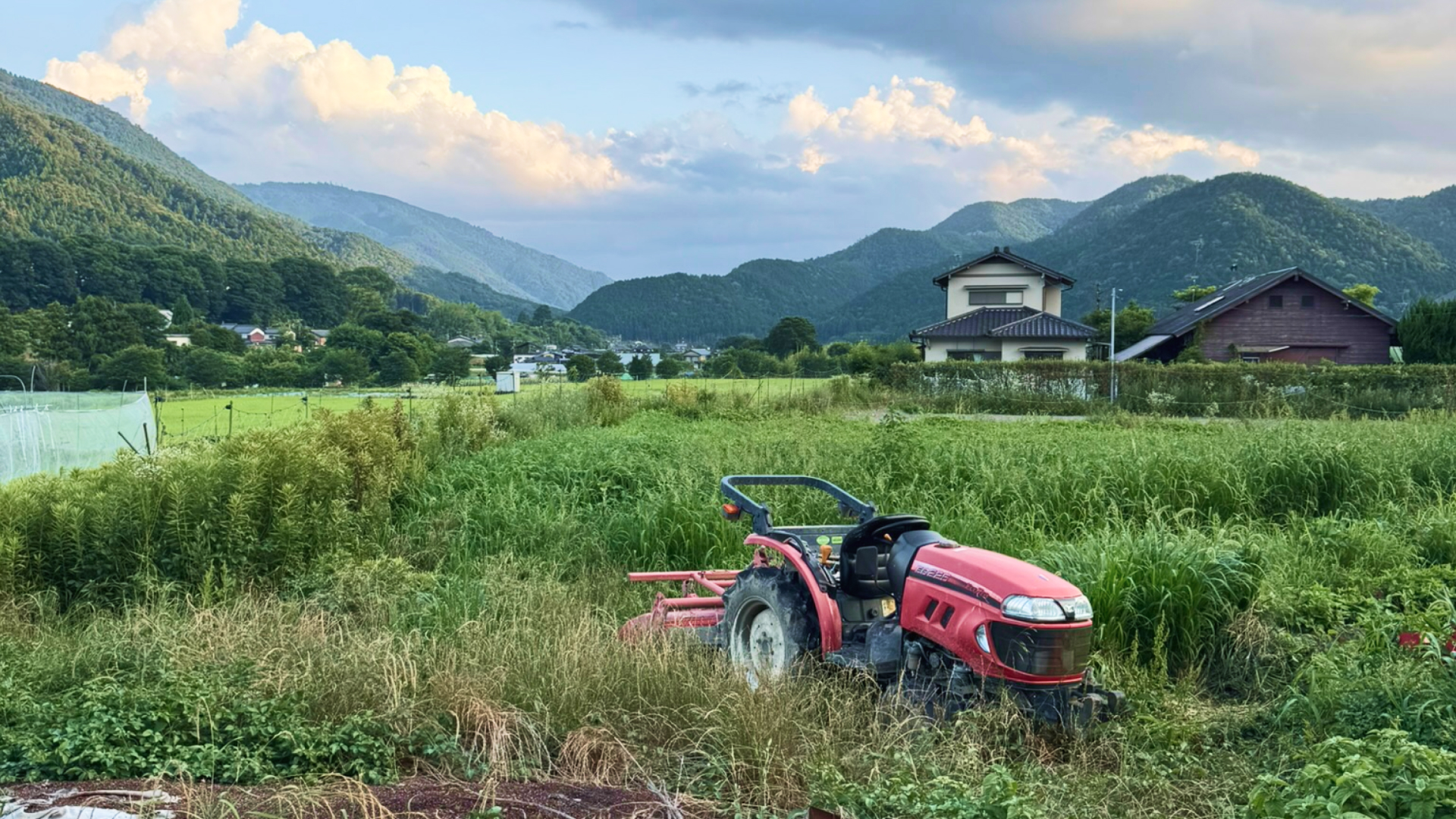
Weather, moving through

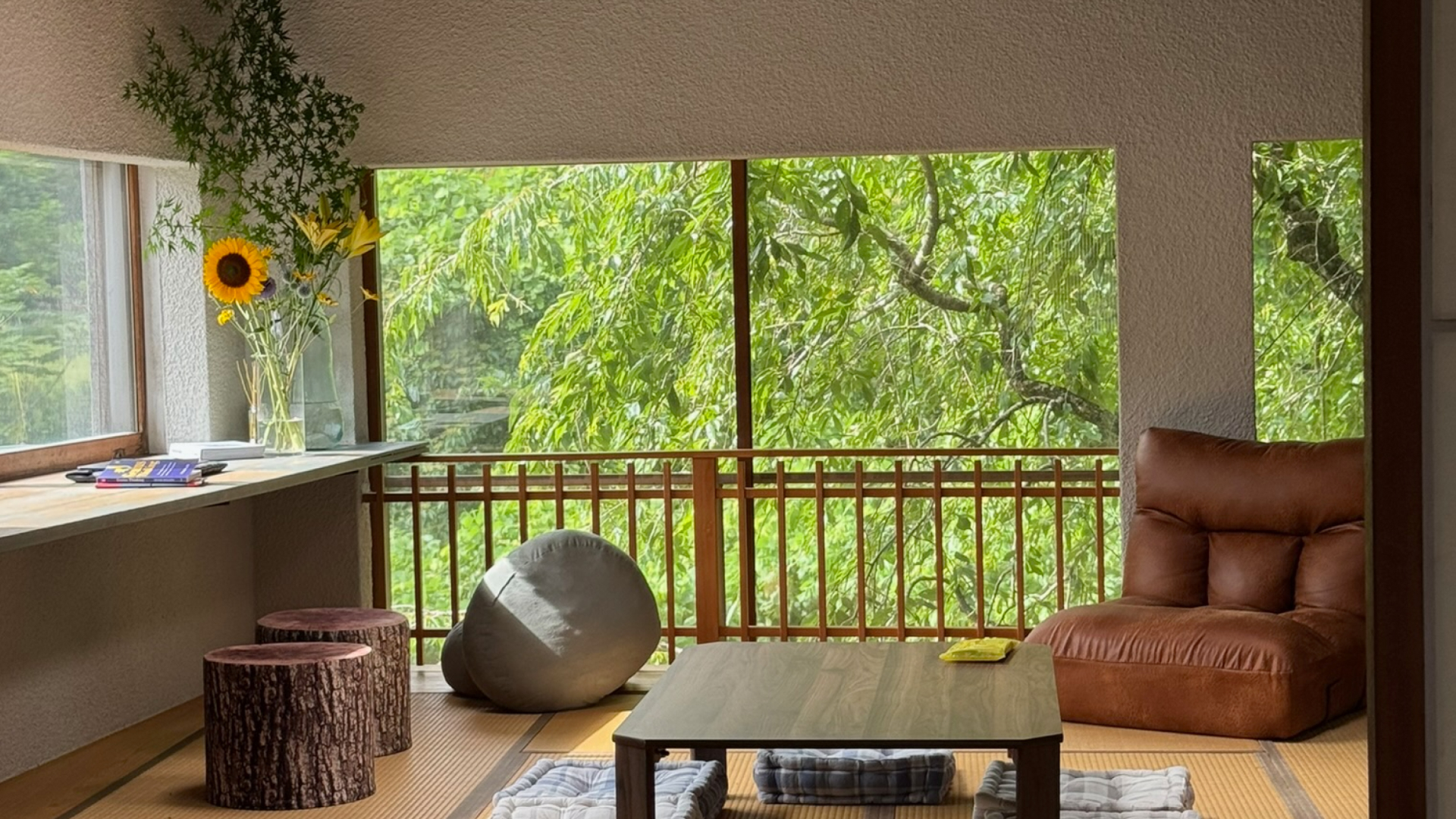
The gate, one stone at a time

A valley that keeps its own time.

North of Kyoto, in the Ohara valley, Aura keeps a sanctuary — cedar forest, river, and temple; farmers who still work by hand, and artisans who keep rhythm over the clock. We restore before we build, and learn the land before we lead it.

Asa is light and renewal. Niwa is calm and reflection. Together they hold Yutaka na Kurashi — a rich and mindful life, and the work Aura came here to do: a valley made for attention, for craft taken up and tried by hand, and for coming back into contact with nature.
LOCATION

Ohara, Kyoto Prefecture, Japan.

COORDINATES

35.1200° N, 135.8300° E

ALTITUDE

1,099 ft.

TEMP.

7–28°C

HUMIDITY

64%

WIND

14 KM/H

SEASON

Four, distinctly

A seventy-year-old home, renewed by hand.

Aura begins with what already stands: a home of seventy years, and a garden thirty years in the making. The teahouse was restored by a Kyoto craftsman; its garden is tended now by his grandson.

Wabi-sabi is the foundation: imperfection held as truth. Nothing here is remade in a hurry. Each repair is an act of care, made in turn to be cared for.

Seventy years

The home — renovated, its timber and light carried forward.

Thirty years

The garden — three decades of tending, continued by hand.

One craftsman

The teahouse — restored in Kyoto, tended now by his grandson.

Wabi-sabi

The foundation — imperfection as truth, continuity over completion.
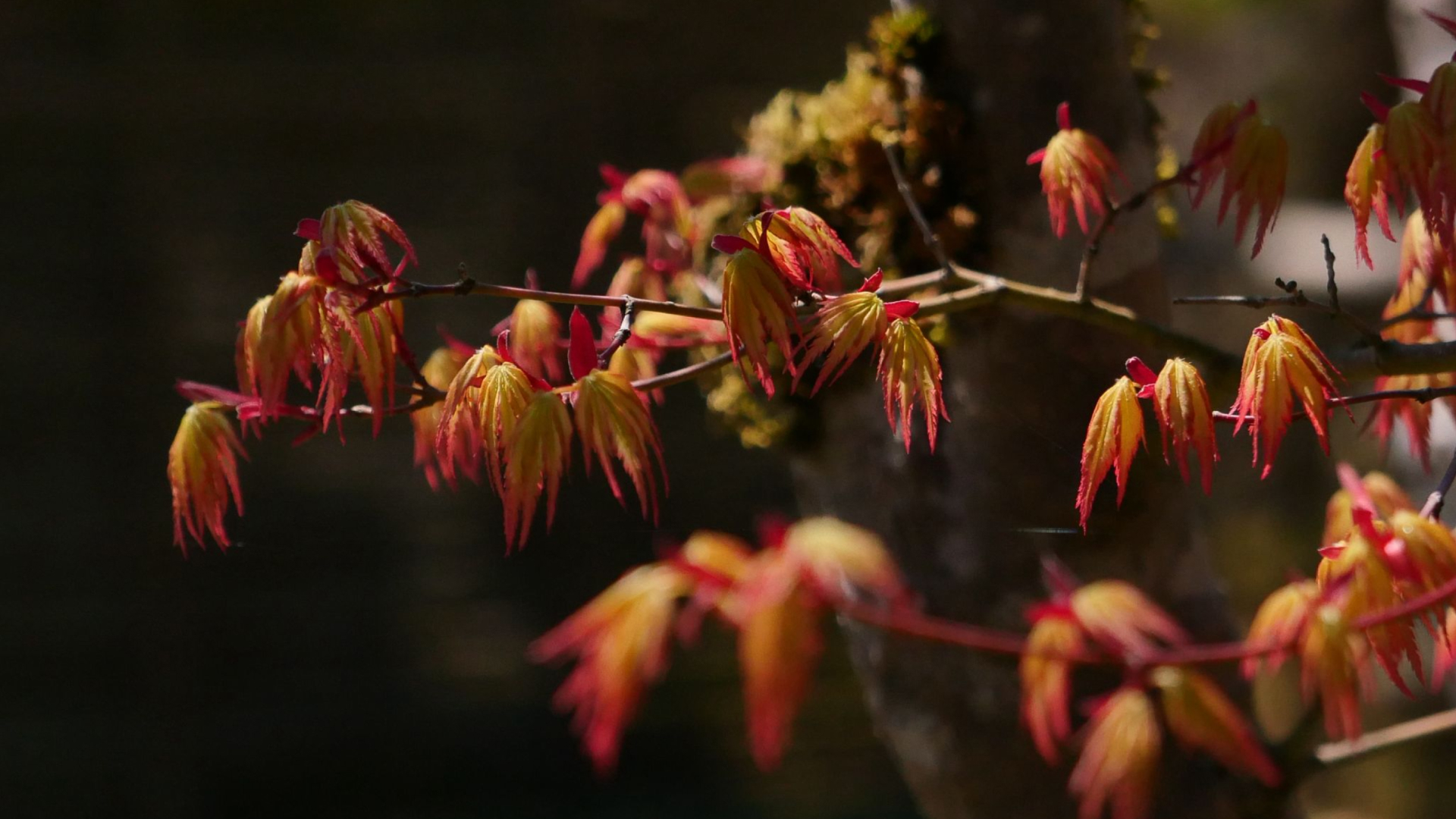
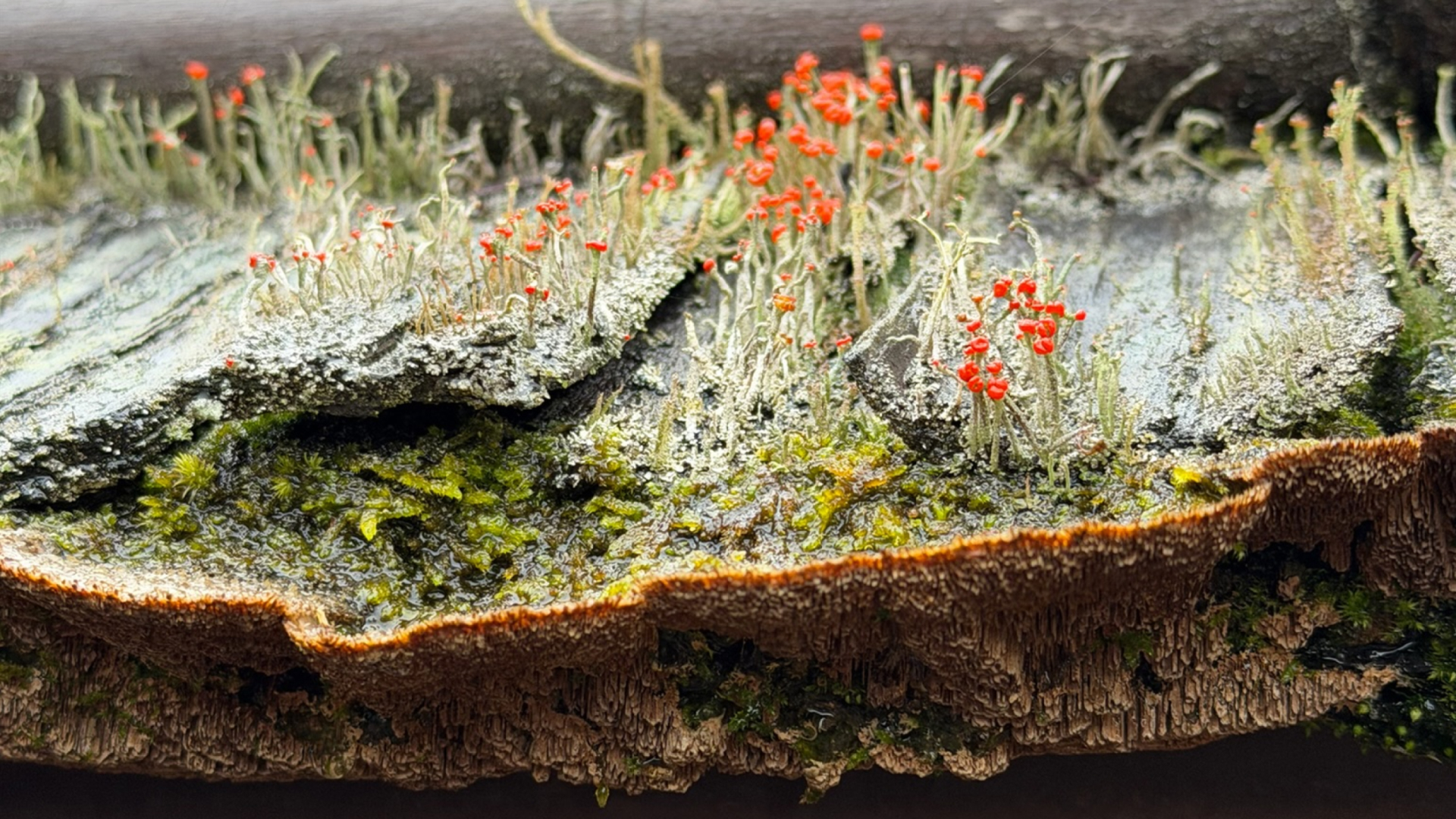
Moss and fallen maple leaves on the restored roofline

The restored roofline, kept aging

Inside the restored teahouse — the craftsman's repair

Inside the teahouse

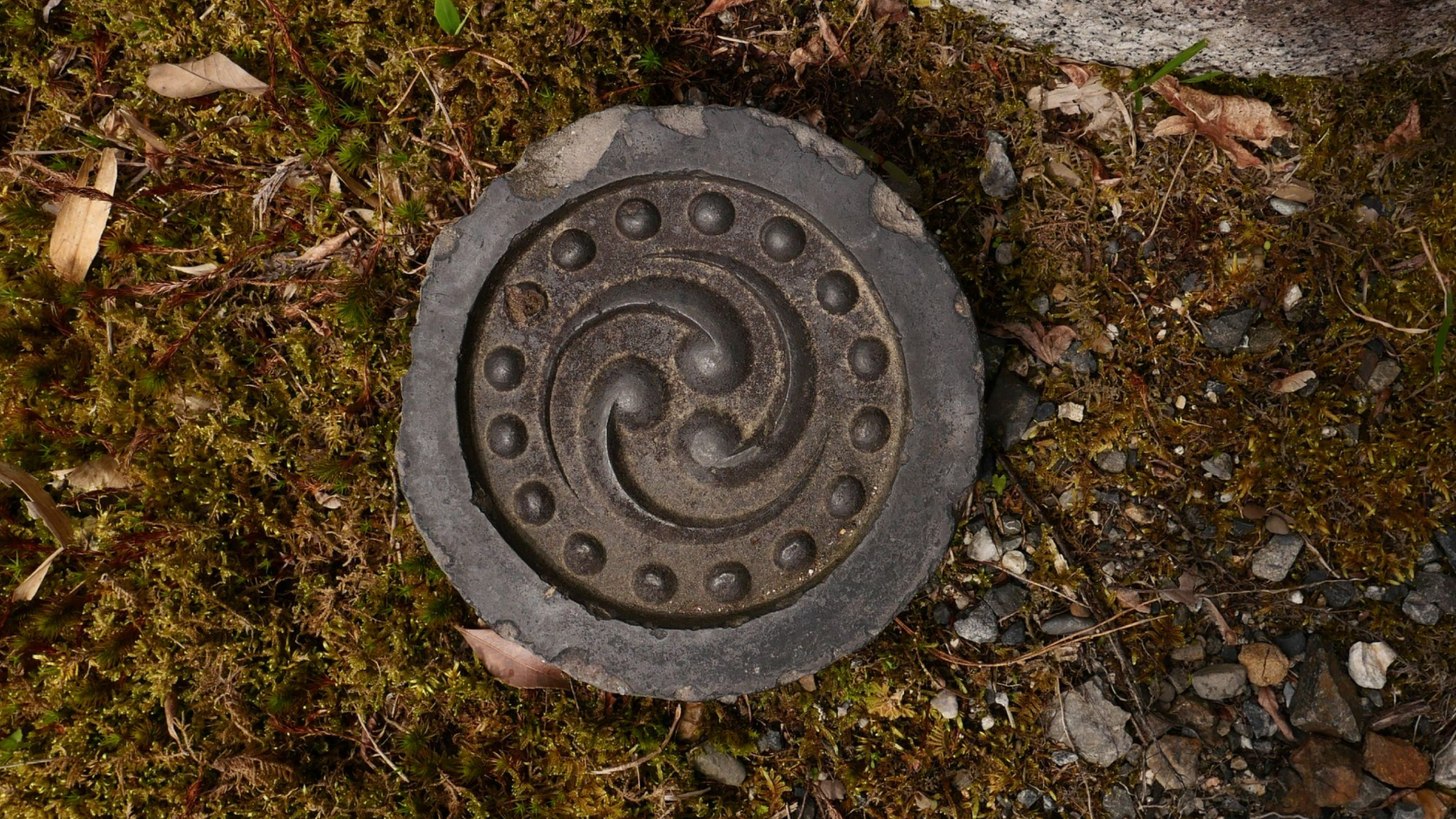
A carved emblem kept from the original home

A mark kept from the original

What renewal actually looks like.

The old roof, re-laid tile by tile with the moss still on it. The garden’s thirty years of undergrowth, thinned by hand until the paths surfaced on their own. This is the line Aura holds: a rebuild erases the evidence of time, and a renewal keeps it, then adds to it.

Ohara runs *slow* on purpose. *Attention* is what the place is built to make.

One rhythm, three rooms.

Ohara runs on rhythm. It moves in three registers across the day — morning light, evening calm, and the terrace between them — each with its own pace and its own work.

The three are one valley, read at three different hours — the same ground doing different work as the light moves across it.

Asa · 朝 Morning – afternoon

Light and renewal. Café, tea, and light meals from local ingredients; workshops in fermentation, pottery, indigo, and kintsugi.

Niwa · 庭 Evening – night

Calm and reflection. Farm-to-table dinner from the greenhouse and the valley's organic growers; wellbeing held at the day's slow close.

Terrace · 風の間 Anytime

Connection. Retail, weddings, and gatherings — the room that holds Asa and Niwa together, open whenever the valley calls for it.

The morning is for making.

Matcha, coffee, and light meals from local ingredients, served nine to sixteen. The morning is unhurried by design — a counter to lean on, and time to make something by hand.

Workshops run alongside it: fermentation, pottery, indigo dyeing, and kintsugi. Ohara is made for this — a place to take up a craft, get it wrong, and try again, where care applied by hand is its own kind of rigour.

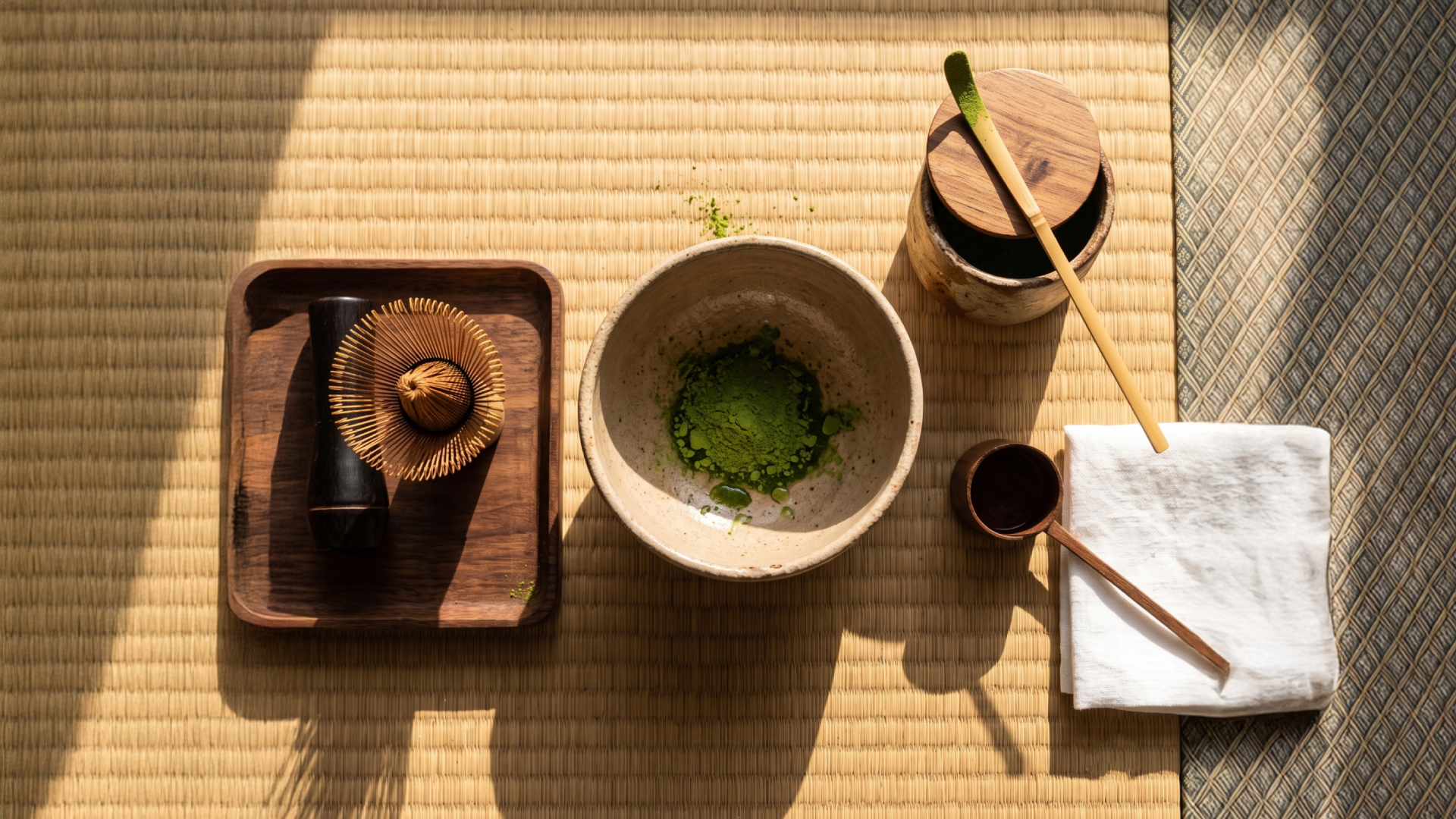
Matcha whisked at the morning counter

The morning counter

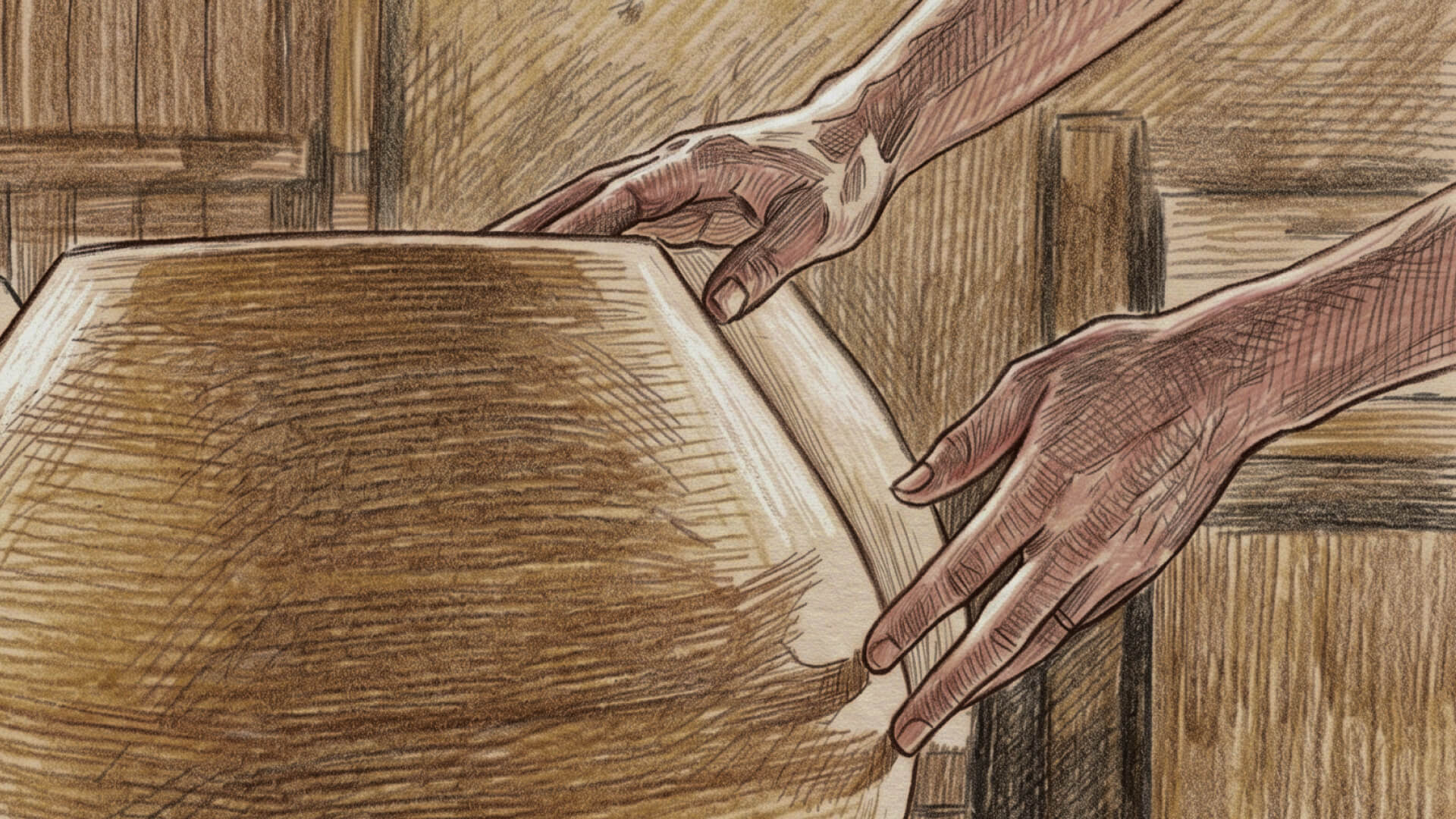
Indigo, taking colour from the air

The table the valley sets.

Sixteen seats, Friday through Sunday. Dinner is built from Ohara’s own organic produce and the valley’s growers, paired with local sake and tea — its roots in Kyoto obanzai, the everyday, seasonal cooking of the city just south. Nothing is flown in to finish a dish; the plate is written around what arrived.

What the season gives in excess, the kitchen ferments — miso, koji, pickles, sake. Fermentation is old craft kept as daily practice: it carries a summer harvest into winter, and it slows the way people eat here until, over years, that becomes the way they live.

Some of the menu is found in the valley.

A handful of wild strawberries, gathered on the walk between the workshop and the kitchen, count as much as anything in the greenhouse. The kitchen keeps both categories on the same board — grown and gathered — because the valley doesn’t distinguish between them, and neither should the plate.

Organic produce gathered from the valley and greenhouse

Foraged and grown

An obanzai plate built from the valley's produce

Written around what arrived

The kitchen garden and terraced fields that feed the table

The fields that feed the table

季の家 — a pavilion by the river.

Ki no Ie, the house of seasons, is a transparent pavilion by the river — light and air always in motion, built from reclaimed cedar and grown in by vines and herbs. It is a room built for makers: craft and fermentation workshops by day, seasonal dinners under the same open frame by night, and the quiet a resident artist needs to work a season through.

The retail counter carries living objects from Ohara's artisans — ceramics, linen, wood, incense, tea — each piece carrying the maker’s name and the season it was made. Its terrace is the same 風の間 from the rhythm grid above — micro-weddings, family gatherings, poetry nights, seen now from where it actually stands.

Grown in by vines and herbs

Reclaimed cedar joinery inside the pavilion

Reclaimed cedar, unpainted

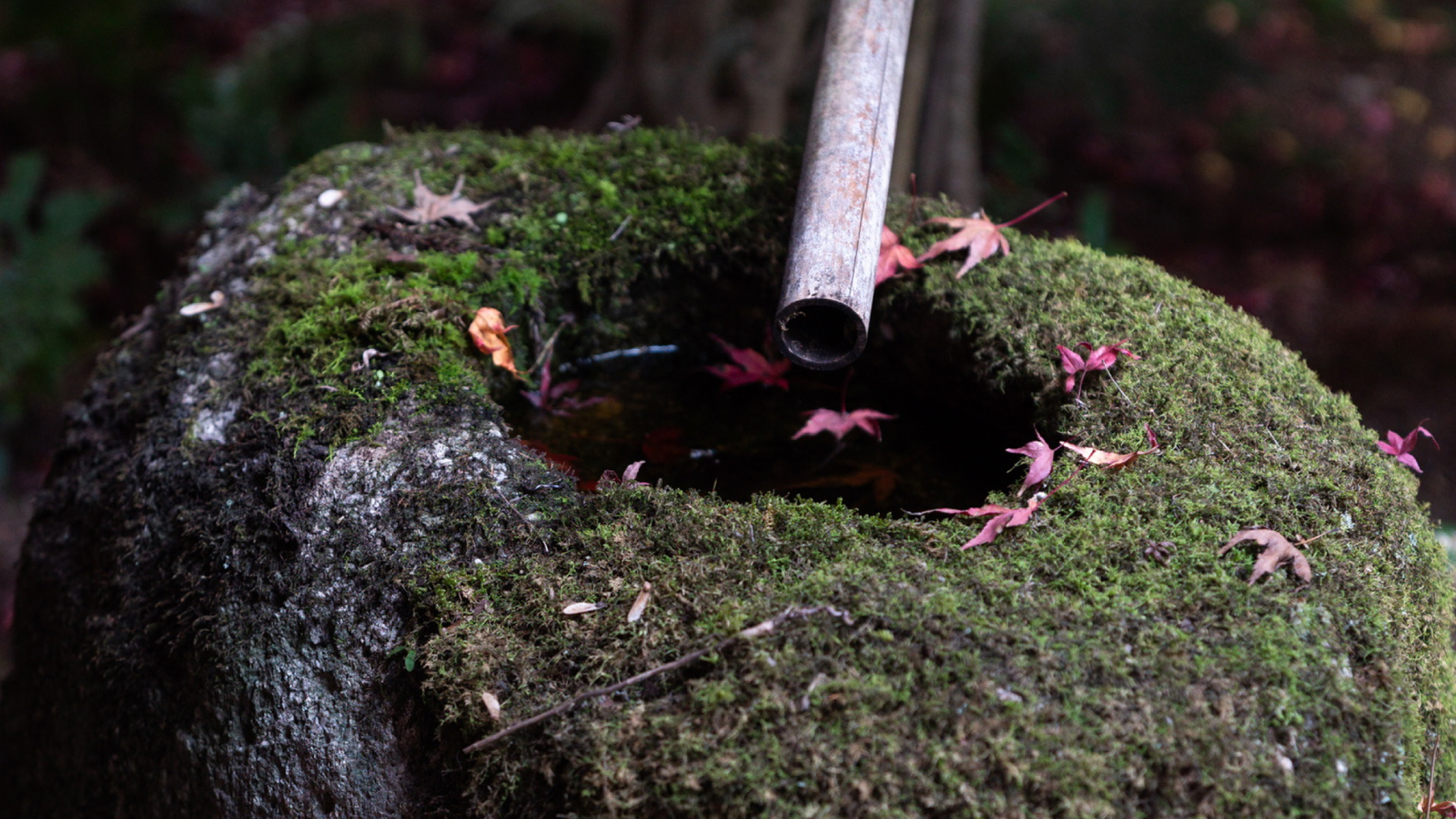
A stone water basin beside the pavilion

Stillness, kept by running water

One weaver, one thread.

The valley’s textile atelier still dyes with what grows in it — persimmon, indigo, walnut hull. A single scarf can hold three seasons’ worth of gathering before it’s finished.

Everything on the table grew nearby.

The kitchen cooks what the valley gives that week — shiso, pickled plum, mountain vegetables gathered that morning. The menu is written by the season, and never the other way round.

Some weeks, nothing is scheduled.

Rest Weeks hold the valley open for artists and founders in residence — people who need the place more than an agenda. No workshop, no dinner seating, no counter to staff. Just the rhythm, run without an audience.

Mind. Design that stays out of the way.Body. A place built to coexist with nature.Soul. A rhythm felt before it is seen.Aura builds one living system design, nature, and human rhythm, together.

The garden, in autumn

Fallen autumn leaves across the moss at Ohara

Autumn, come to the ground

The same corner, in winter

Snow settled on the garden's stone and moss

Snow on stone and moss

Snow through the bare maple

Shu, Ha, Ri — the shape of what comes next.

Shu-Ha-Ri — preserve, adapt, integrate — is the discipline Aura applies everywhere it works. Here it reads as a timeline: the next three years at Ohara, in order.

守 Shu

2025 — Preserve. Restore the teahouse and the garden.

破 Ha

2026 — Adapt. Open Asa and Niwa; launch the first events.

離 Ri

2027 — Integrate. The full ecosystem active; the first Kurashi Week.

Asa is the light. Niwa is the calm.The terrace is the breath between them.Together they form the rhythm of Ohara a place to return to, and to hand on.