Aura runs a studio and a set of labs on the estate, working the fundamentals of design, technology, and AI — each one grounded in a single discipline, subtraction: making by removing, so the work keeps to what the world already does well.

Code and Clay

A maker at work — painted by hand, on the estate

The studio works the fundamentals.

Aura keeps a studio and a set of labs on the estate, and the work in them is narrow: the fundamentals of design, technology, and AI. Not trends, not tools bought to look current — the underlying things, the ones that hold for decades. A letterform. A joint. A material. A system written to run on this ground.

One discipline holds all of it together. We make by subtraction — by removing, not adding, until only what the work needs is left. A cup loses every feature that is not the cup. A piece of software loses every dependency the next hand cannot keep. Subtraction is how we respect the way the world already works, and refuse to talk over it.
The method is subtraction. What is left has earned its place.

Making is taking away.

Most work adds. A brief arrives, features accrue, and the object grows until it ships. Here the movement runs the other way. A maker starts with more than the piece needs and spends the hours removing — the extra glaze, the extra line, the extra clause of code — until what remains could not be cut further without breaking.

The estate teaches this before the studio does. A kiln burns the canopy's own offcuts and nothing flown in. A dye vat takes its heat from the kitchen. A ledger is written for this soil by the person who will keep it running. Every one of them carries the same lesson: use what is already here, and take away the rest. This is a skill of the present — worked by hand, now, on real material.

Six crafts, one estate

Clay
Ceramic & glaze
Fibre
Textile & natural dye
Wood
Joinery & carving
Sound
Field recording & composition
Type
Letterform & print
Software
Tools & systems for this ground

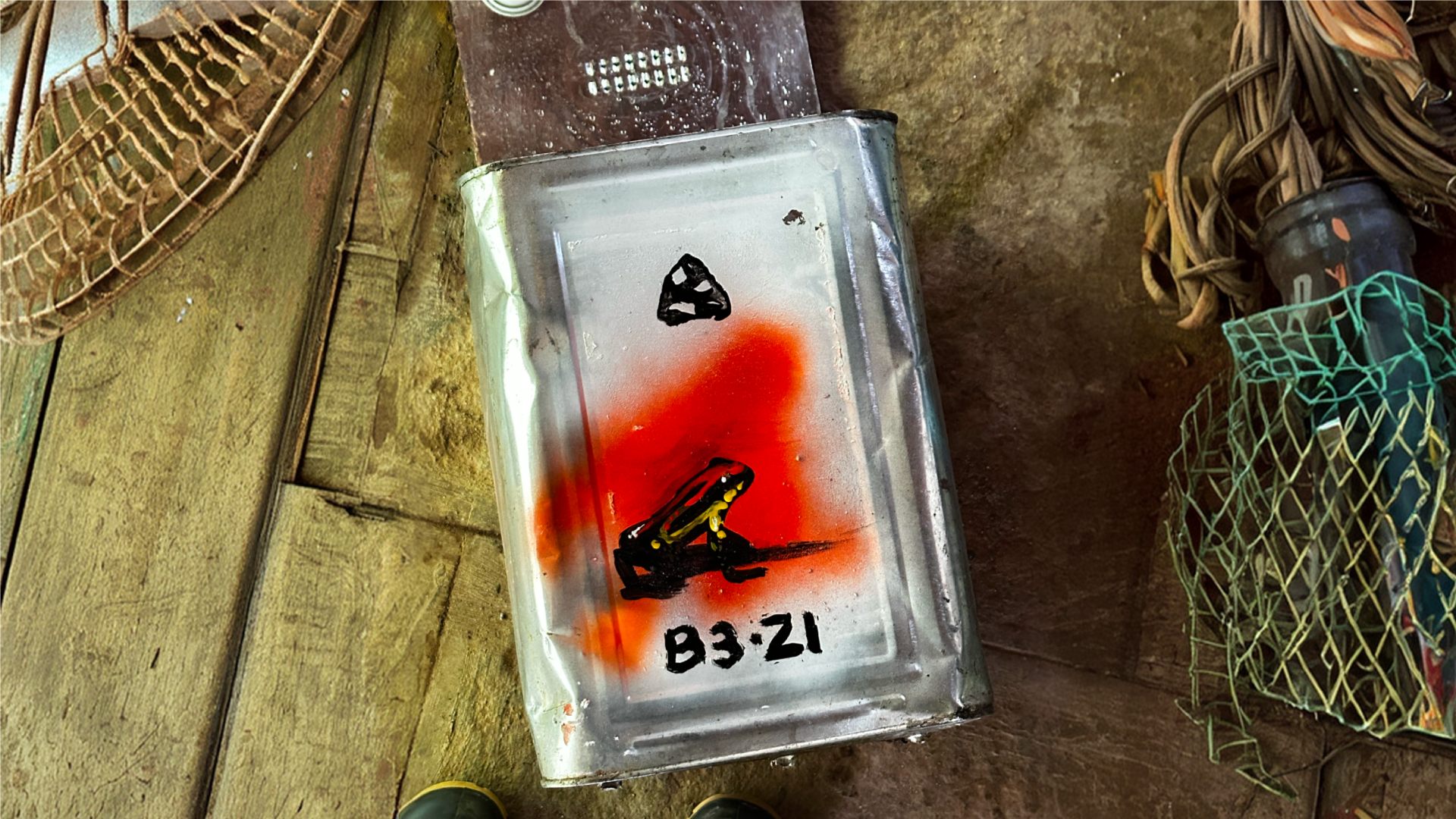
Installing a hand-painted tin — the work going back out into the canopy

No one here works a single craft.

The register is monastic and polymathic. Science, technology, craft, and art sit at one bench, and no one here is kept to a single one of them. The potter also keeps the system that records the kiln, and the friction between the two disciplines is the material — work that comes out of it neither could reach alone.

We hold this by an old rule — shu-ha-ri: preserve the form, adapt it, then transcend it. An apprentice keeps the old way exactly until it lives in the hands. Only then is it theirs to change, and only much later theirs to leave behind. Collaboration is what happens across people standing at different stages of the same climb.

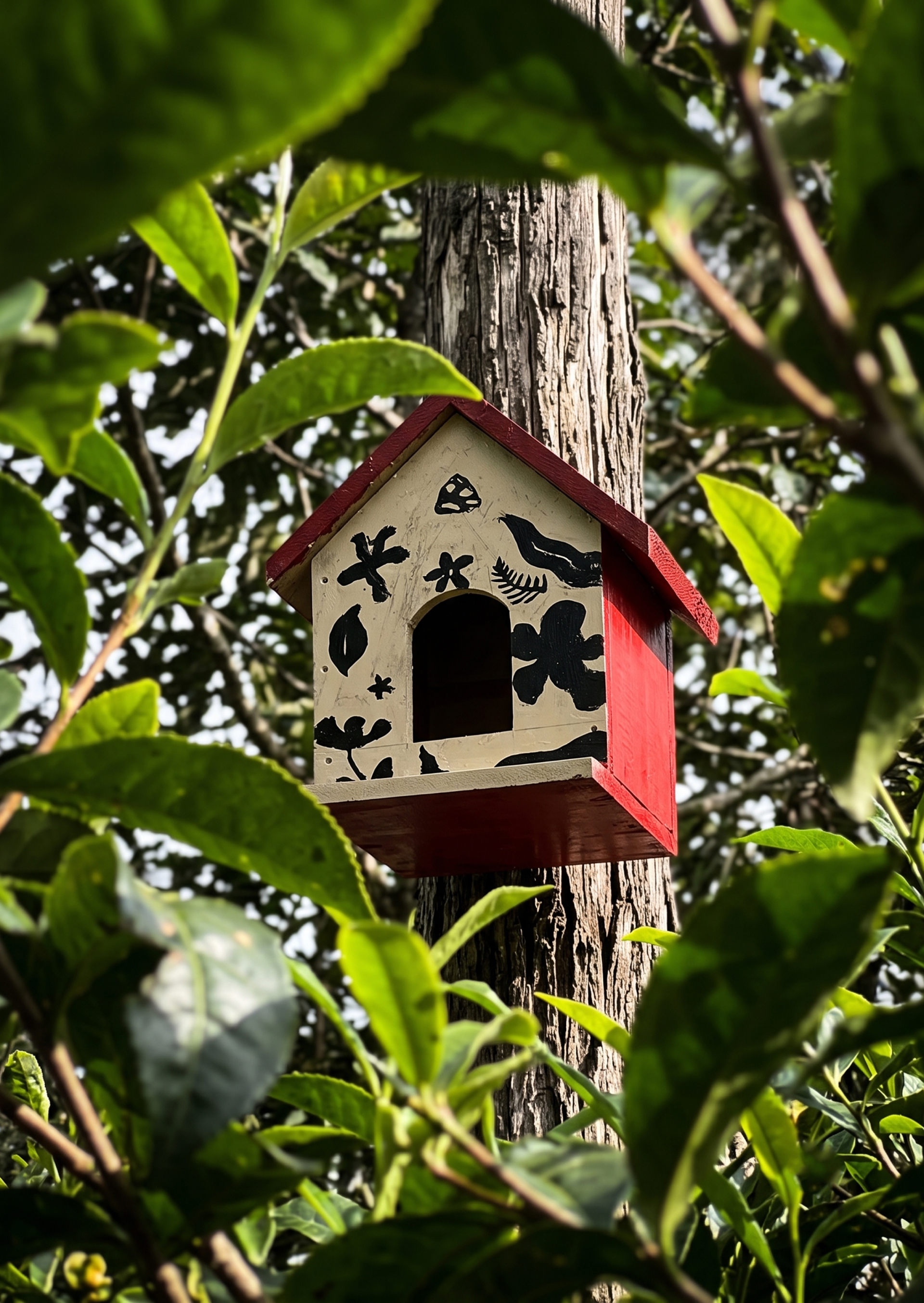
A hand-painted birdhouse mounted in a tree on the estate
A hand-painted birdhouse in the canopy — made on the estate, for the estate

Start with more than you need.Take away what the world already does.Take away what the next hand can't keep.What remains is the work.

Shu 守

Preserve the form exactly — the joint, the glaze, the grammar — until the old way lives in the hands and needs no thought.

Ha 破

Adapt it, once the form is in the body: local oxides, this soil's clay, a system written for this estate and no other.

Ri 離

Transcend it — leave the form behind and work freely, without breaking it. What is made here could not be made anywhere else.

Made for hands not yet here.

Aura works on a horizon measured in decades, and that sets a plain test for anything we make: build what the future cannot automate. A machine can copy an output. It cannot inherit thirty years of a craft read by hand, or a form that has passed through preserve, adapt, and transcend. We make the second kind on purpose.

The newest tools serve the oldest practice, never the other way round. We measure the soil to run an ancestral grazing rhythm; we write software to carry provenance the land already keeps; we use AI to read what is happening on the ground, not to speak over it. Old knowledge and new instrument, held as one thing — that is what Aura means by Natural Intelligence, worked at the bench.

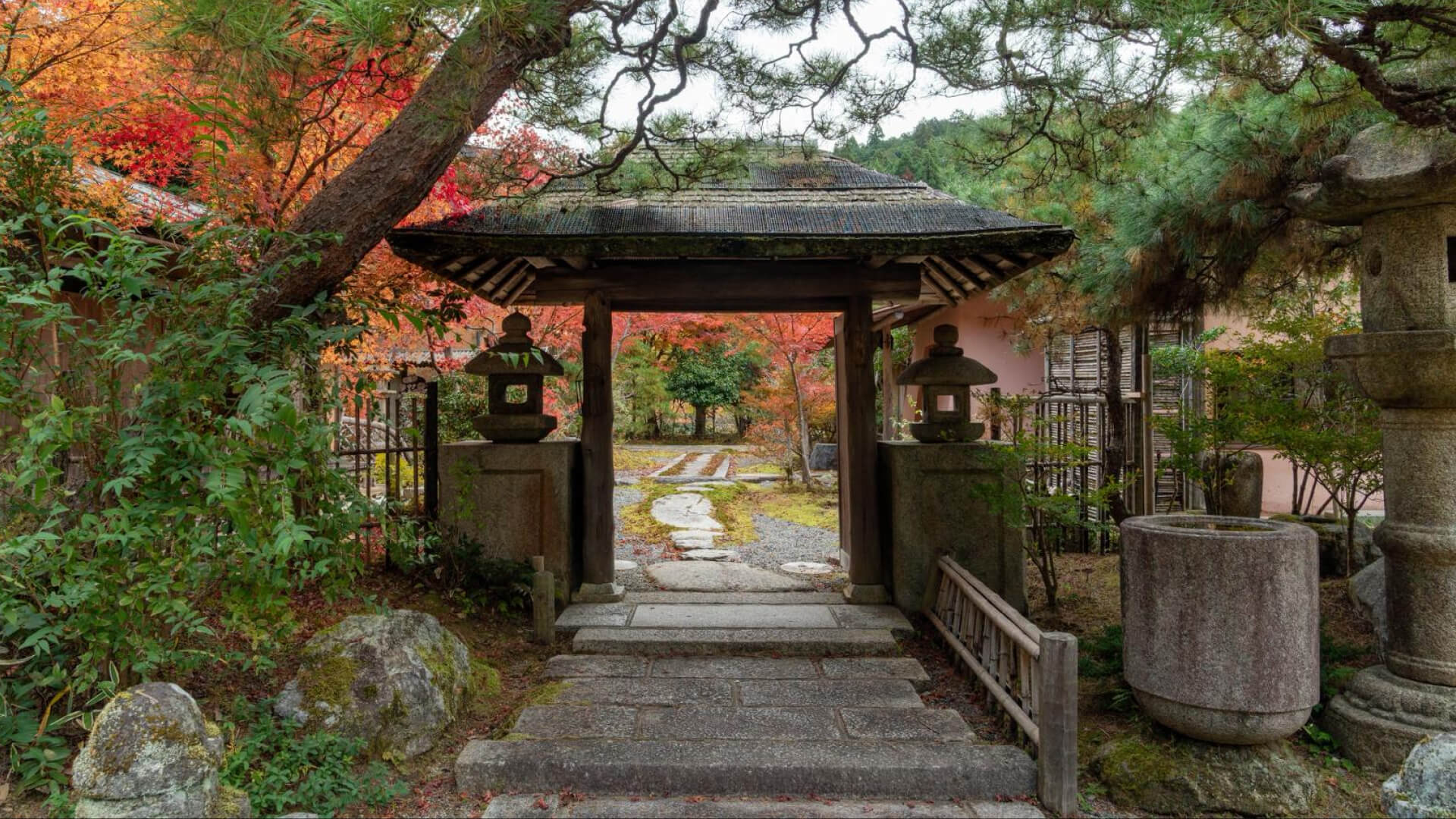
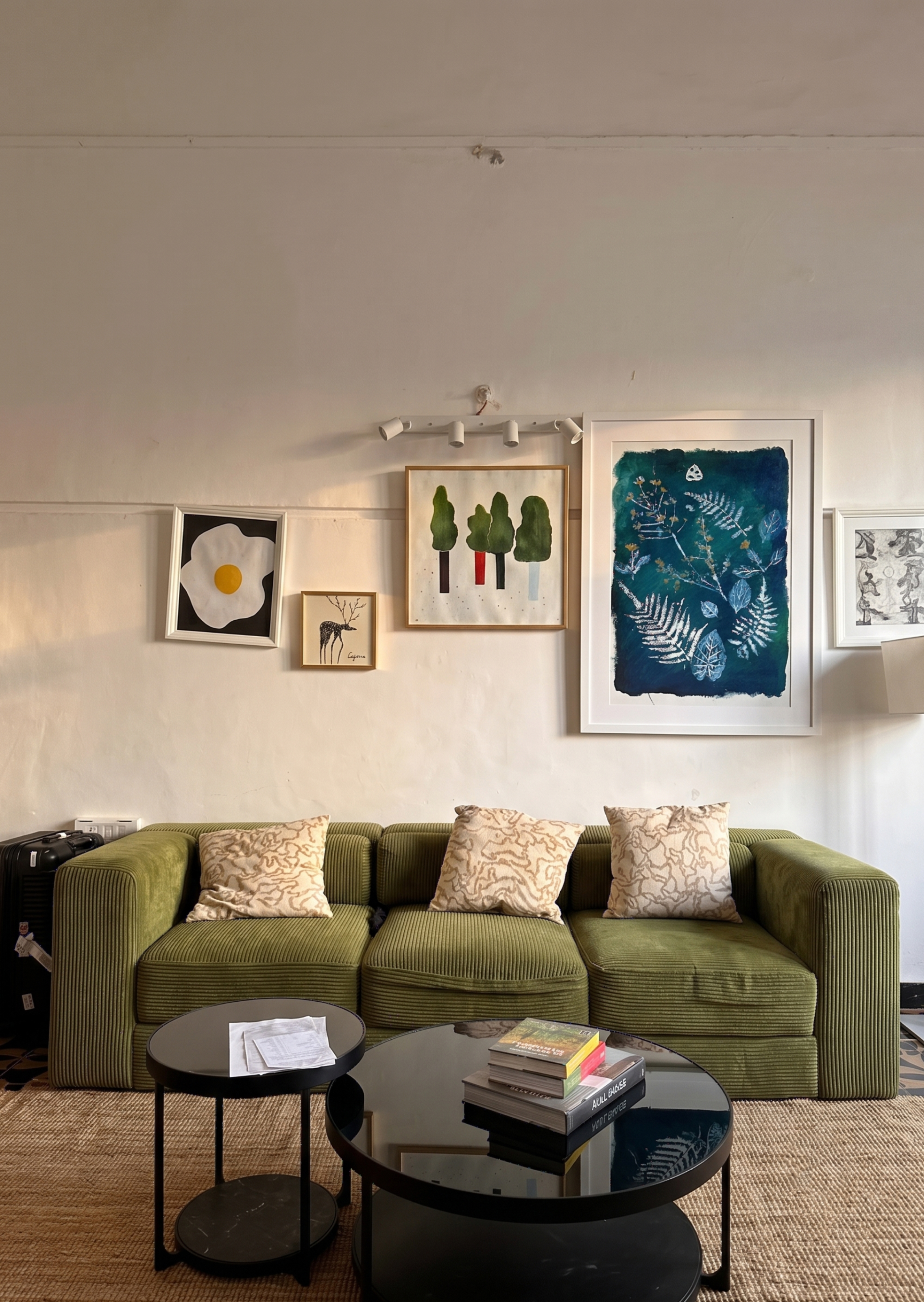
A gallery wall of framed botanical artwork at Ohara

From the canopy to the wall

Painted by hand

Painted by hand

Salvaged tin, painted by hand with the estate's own fauna — a frog, a flower, a bird read straight from the canopy — then returned to the trees exactly where it was found. Nothing is bought new: the material is already here, and the work simply gives it a second life in the open air.
Woven & dyed

Woven & dyed

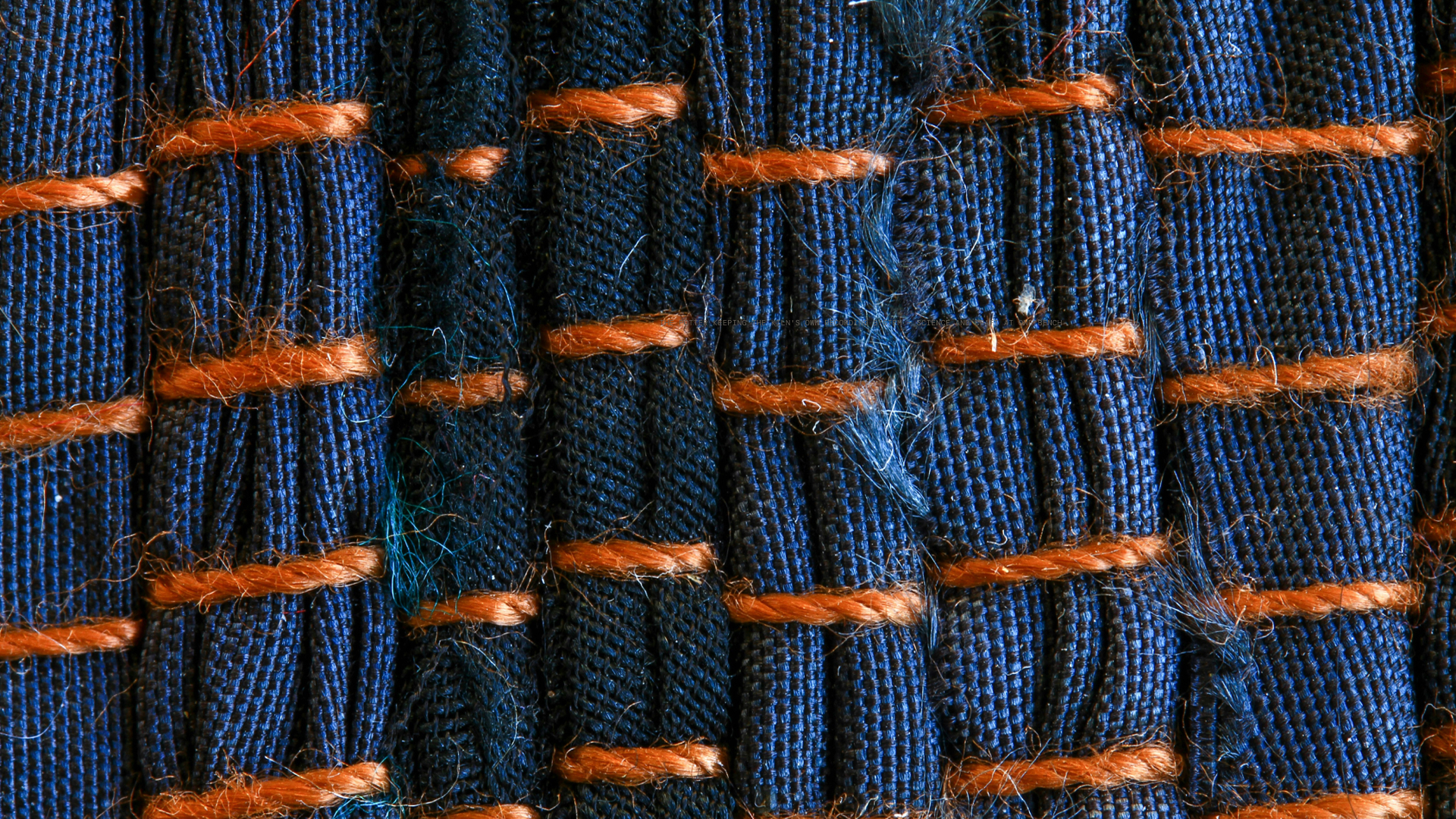
Cloth worked on the estate loom and dyed with what the season gives — persimmon, indigo, walnut hull. The weaver keeps the old grammar exactly before a single thread is adapted, so each piece carries the discipline of the form and the freedom that comes after it.
The next hand

The next hand

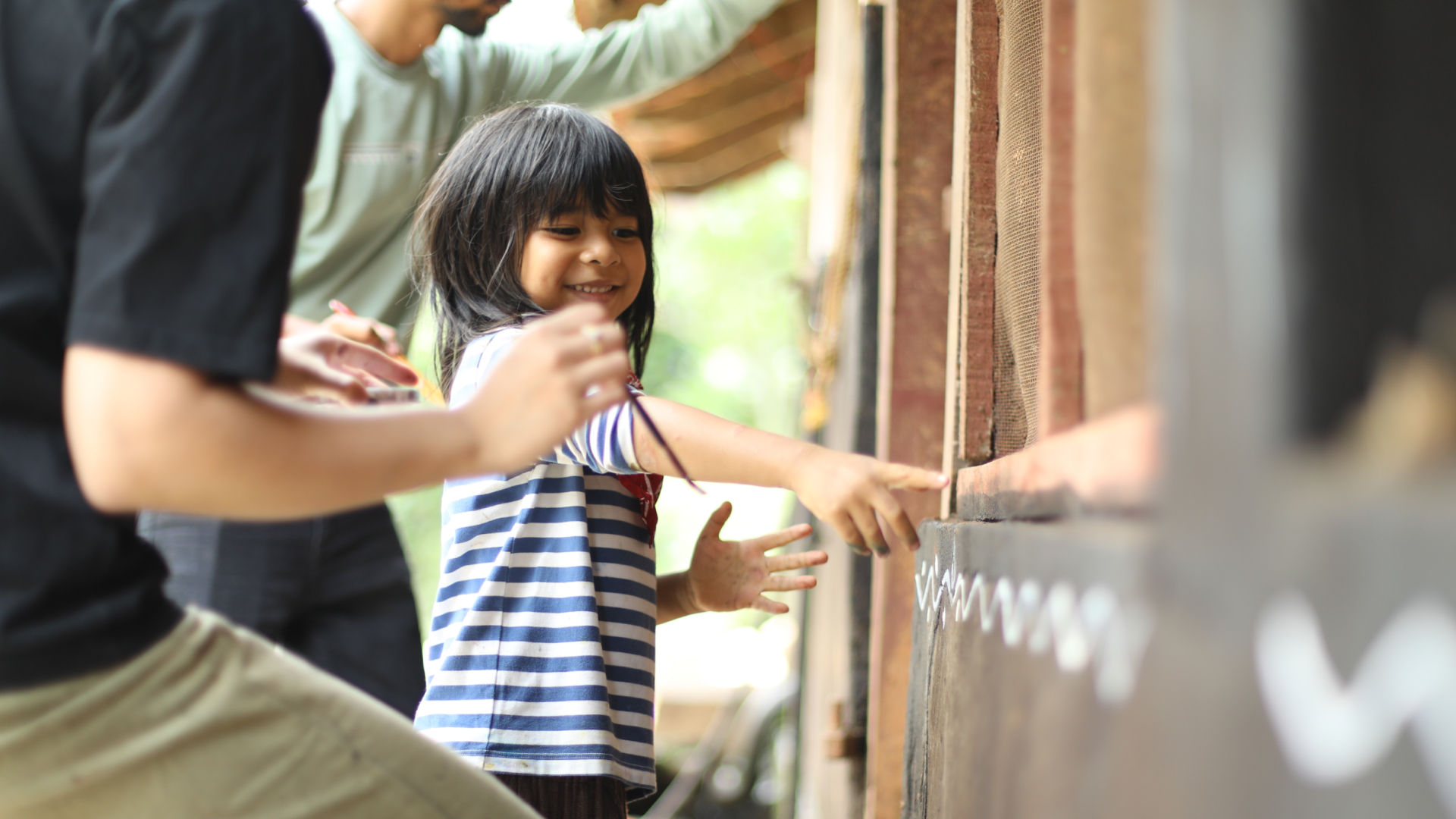
A young hand at the wall, learning the craft long before it is formally taught. Everything the studio makes is built for hands not yet here — the real test of the work is whether it can be inherited, thirty years on, and still hold.

The oldest method, the newest tools.

The studio and the labs do one thing: work the fundamentals of design, technology, and AI, and ground every one of them back in subtraction — making by removing, out of respect for a world that already works. What leaves is the work, and the posture that made it. Who comes to make here, and how you write to us, is its own journal — Monastic Polymaths.