At Mudigere, Aura turns the herd's dung and urine into measured fertility — hand-turned compost pits, a living microbial brew, and an internal lab where every batch is tested before it reaches the soil.

Circular Intelligence

Nothing imported. Nothing wasted.

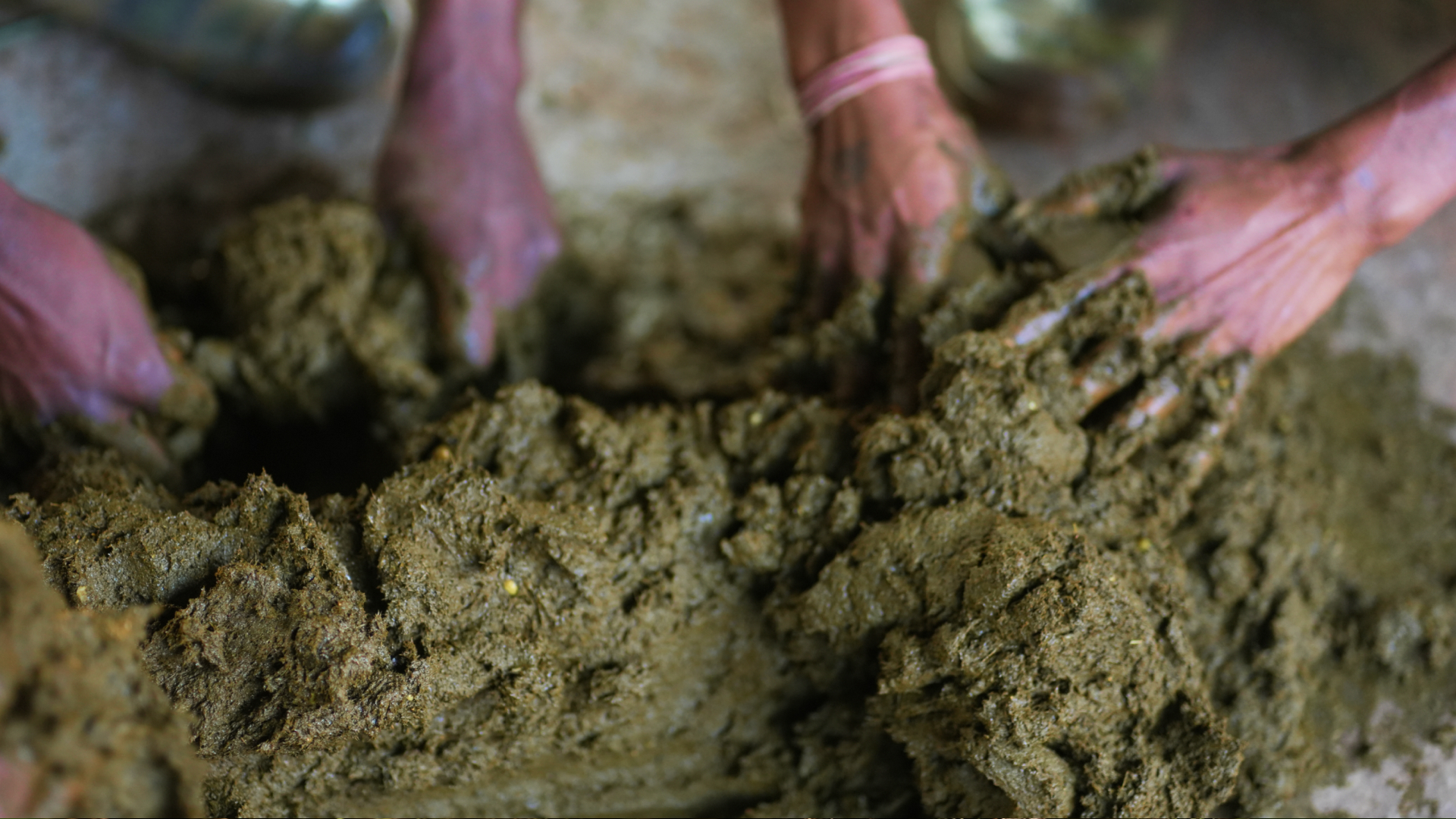
It begins before the heat, at first light. The dung is gathered fresh — weighed and split three ways: some to the compost pits, some to the microbial brews, some packed into horns — and the urine, most concentrated at dawn, is measured into the same system. This is the estate's most valuable raw material, and not a gram of it is left to waste.

From that single input Aura runs a closed loop. The grasses feed the herd; the herd feeds the preparations; the preparations feed the soil; the soil grows the grasses and the coffee. Nothing is bought in and nothing leaks out — the work is turning the animal's output back into living ground, measured at every step, on the same fifty-two Malnad Gidda that graze the land they feed.
The closed loop

Grass & coffeeThe herdPreparationsThe soilNothing inNothing out

Grass feeds the herd. The herd feeds the preparations. The preparations feed the soil. The soil grows the grass. Nothing enters the loop, and nothing leaves it — the estate's fertility is made entirely from what it already produces.

Fresh dung collected at dawn — the estate's raw material

Dung and urine, at dawn

CPP: the slow compost.

The first product is CPP — Cow Pat Pit. Fresh dung is mixed by hand with crushed eggshell for calcium and finely ground basalt dust for minerals, then the biodynamic preparations — BD 500 through 508 — are worked in and the mix is layered into a shallow earthen pit, dug into the ground and left unlined at the bottom so the estate's own soil organisms migrate up and inoculate it.

Every pit carries a number, and every pit is worked by hand: the dung is mixed and stirred roughly forty-five minutes a day, breaking up the pulps so it matures evenly. Fourteen pits run across the estate in overlapping cycles — around 2,420 kilograms of CPP a year — turned by reading, not by timer. The team checks temperature, texture, smell, and colour and turns a pit when the compost signals it is ready. After three months — ninety days — the raw mix has become something new: dark, crumbly, earth-smelling.

A numbered Cow Pat Pit at Mudigere, turned by hand

Fourteen pits, turned by hand

Finely ground basalt dust — the mineral component of CPP

Basalt dust — the mineral half

Cow Dung

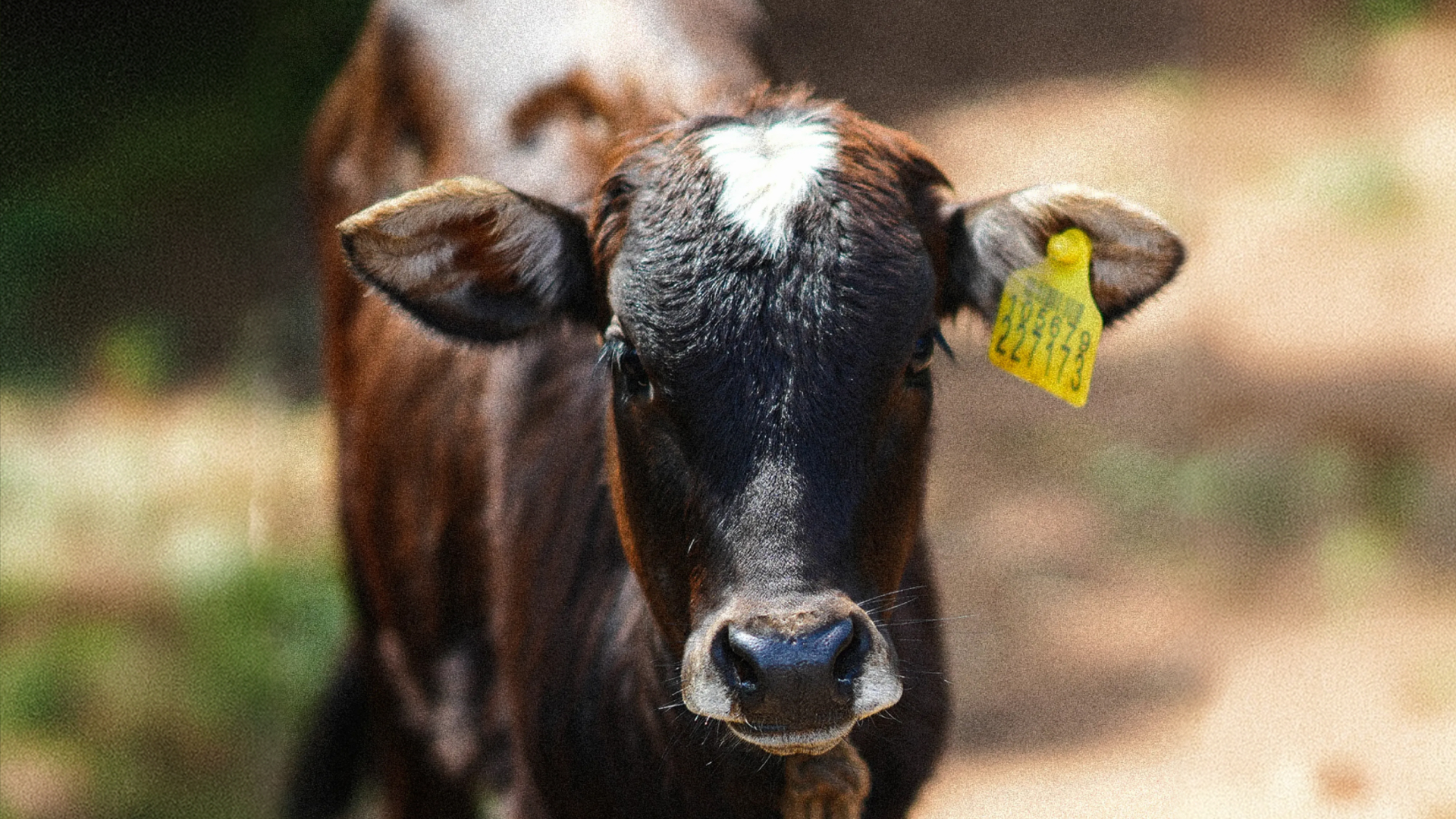
The living culture.Fresh dung from the estate's Malnad Gidda herd. The breed matters — their gut microbiome is adapted to this altitude, these grasses, this soil, so the microbial signature it carries is native to the ground it feeds.

Eggshell

The calcium source. Crushed eggshell — calcium carbonate, a slow-release calcium that buffers the pH as the mix composts and adds structural calcium to the finished preparation.

Basalt Dust

The paramagnetic element. Finely ground basalt — silica, iron, magnesium, and trace minerals. In biodynamic practice its paramagnetic properties are valued for enlivening soil biology in the root zone.

How CPP is made

01 · Collect
Fresh dung, gathered in one pile
02 · Mix
Stomped smooth, split into 2 kg portions
03 · Inoculate
Microbial solution worked in, barrelled
04 · Ferment
Stirred 1–2× daily · 3–7 days
05 · Mature
Eggshell, rock dust & BD preps · pit 90 days
06 · Ready
Dark, crumbly, earth-smelling

The ball, placed at the root.

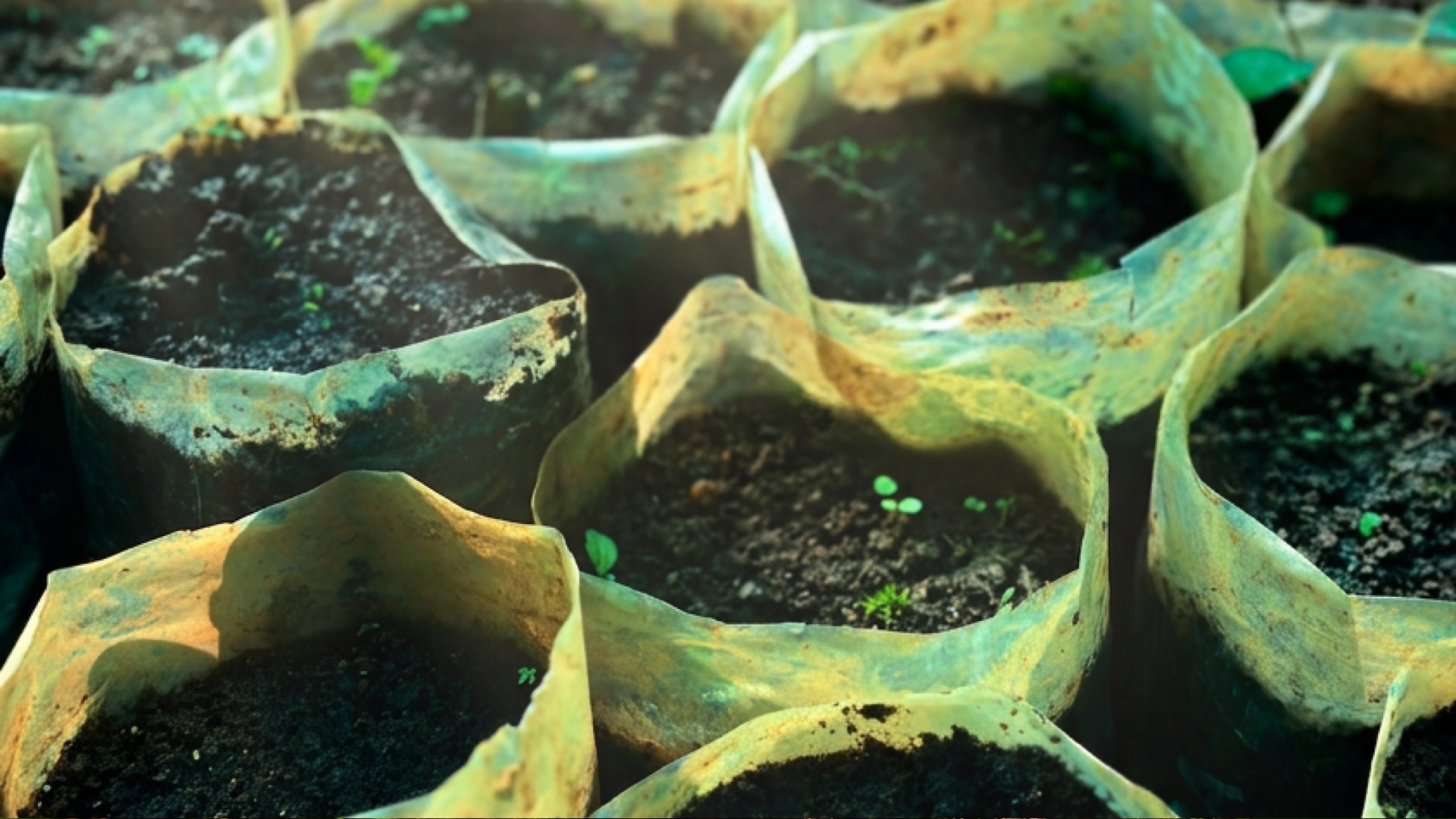
Matured CPP does not just go out as a spray. Much of it is rolled by hand into balls of measured sizes, because the dose has to fit the plant. Each ball is dug in a little way from a coffee plant's roots and covered with mulch, so it holds its moisture and seeps its biology slowly down into the root zone — a slow compost feeding one plant at a time.

And it is placed against a record. The estate carries an ID for individual plants as well as animals, so the ball dug in at a given plant is logged to that plant — which pit it came from, when it went in. A preparation that took months to make is delivered by the handful, to a known root, and written down.

CPP dug in at the root of a coffee plant and covered with mulch

A ball to a root, covered in mulch

Jeevamrit: the living culture.

The second product is Jeevamrit: dung and urine from the herd, jaggery to feed the microbes, gram flour for protein, and a handful of native soil to seed it with the estate's own organisms. The name carries its purpose — jeeva, life; amrit, nectar. It feeds the soil, not the plant — a culture poured into the ground as a drench that floods the root zone with living microbes.

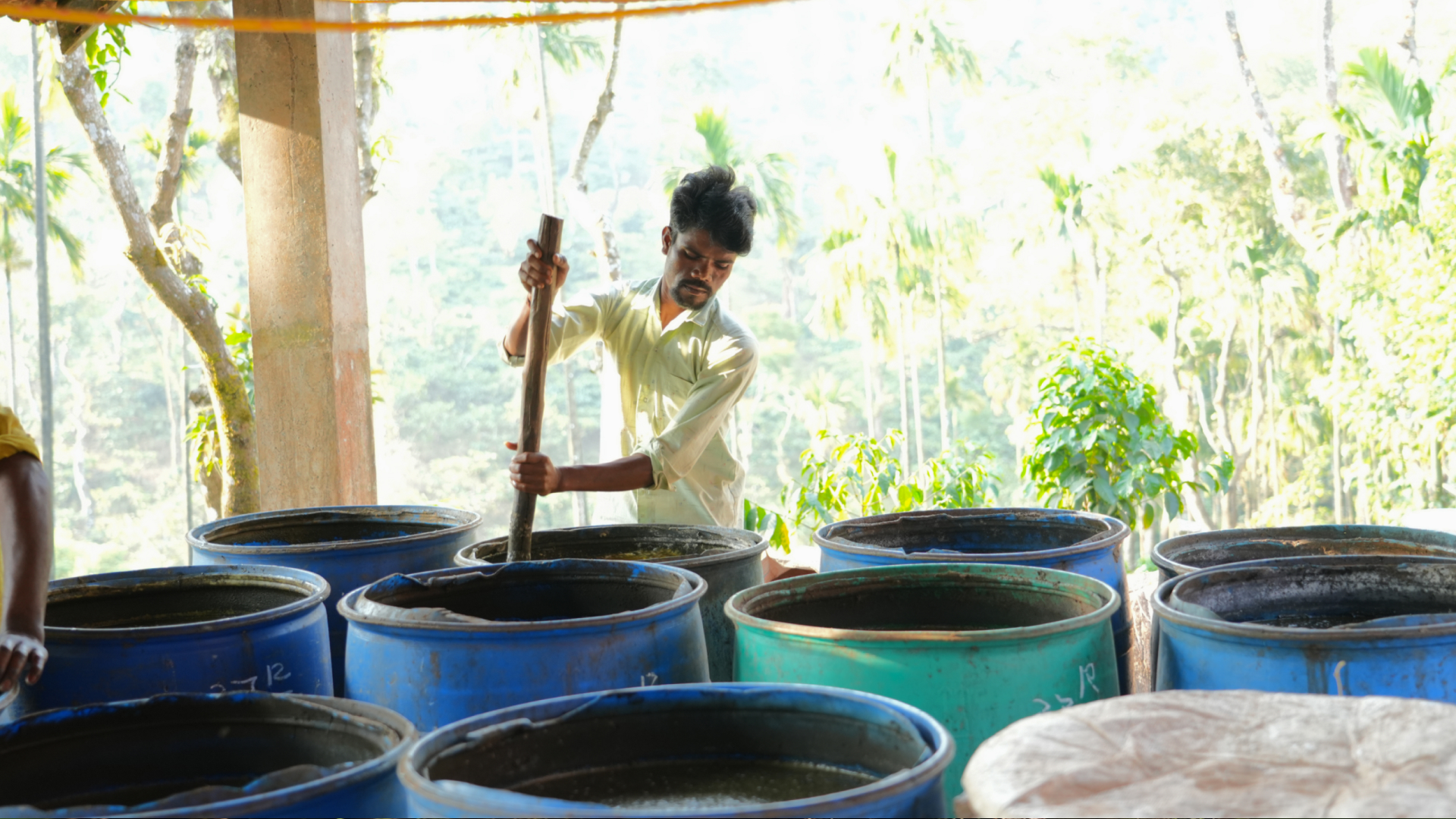
It is the highest-volume preparation on the estate — around 154,000 litres a year — and its daily stir is the rhythm of the estate itself, not a task on a schedule. Each barrel is stirred about forty-five minutes a day, one direction then the other, building a vortex and breaking it so oxygen works deep into the liquid and the beneficial organisms outcompete the pathogens. How much to brew is planned backwards from the land: a BD calendar sets what 150 acres need each month, and stock registers track every batch against it.

Barrels of Jeevamrit fermenting at Mudigere

154,000 litres a year — each barrel stirred by hand, one way then the other, into a vortex and back

BD 507 · Valerian

Source
Valerian flowers (Valeriana officinalis)
Form
Pressed to juice, fermented — stays liquid
Applied
Diluted, vortex-stirred, sprinkled on the heap
Effect
Stimulates phosphorus; a protective warmth

The liquid one of the six compost preparations, BD 502–507.

BD 507 — valerian, pressed and fermented

Made from what the estate already produces — and measured before it feeds a single root.

The testing framework.

This is where the loop earns the word measured. Every collection and every batch is numbered — pit numbers for the dung, batch numbers for the brews — and every preparation runs a fixed cycle, sixty to ninety days depending on what it is. Each batch is tested before and afterpreparation in the estate's own lab: pH, electrical conductivity, microbial colony counts, the beneficial organisms that matter most in this climate — Trichoderma and Pseudomonas — alongside the sensory reads the team trusts: smell, colour, and surface activity.

If a batch comes back wrong, it does not go on the soil. It is corrected or held. When a reading drifts — a pH too low, a count too thin — Dr. Arun, the estate's scientist, sets the fix: hold it longer, add this much water, feed in this much Jeevamrit. The failed batch becomes a lesson that sharpens the next one. Ancestral practice, run like a laboratory: the hand reads it first, the lab confirms it, and nothing substandard ever reaches a root.

Every batch, tested

Numbering
Pit numbers (dung) · batch numbers (brews)
Cycle
60–90 days by preparation
Chemistry
pH · electrical conductivity
Biology
Microbial colony counts
Key organisms
Trichoderma · Pseudomonas
Tested
Before & after preparation
Soil follow-up
Block retested 90 days after application

Counted in every batch

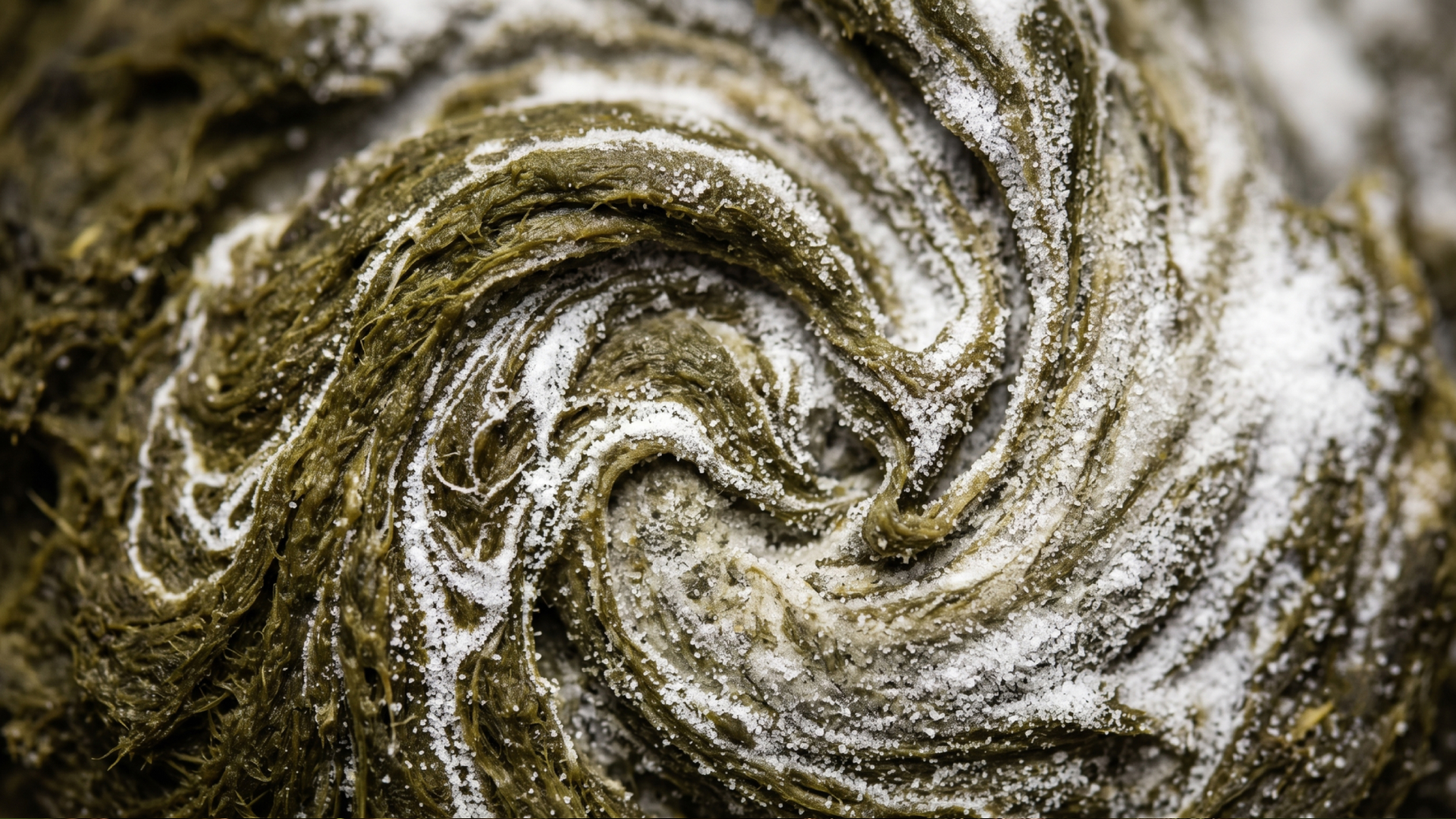
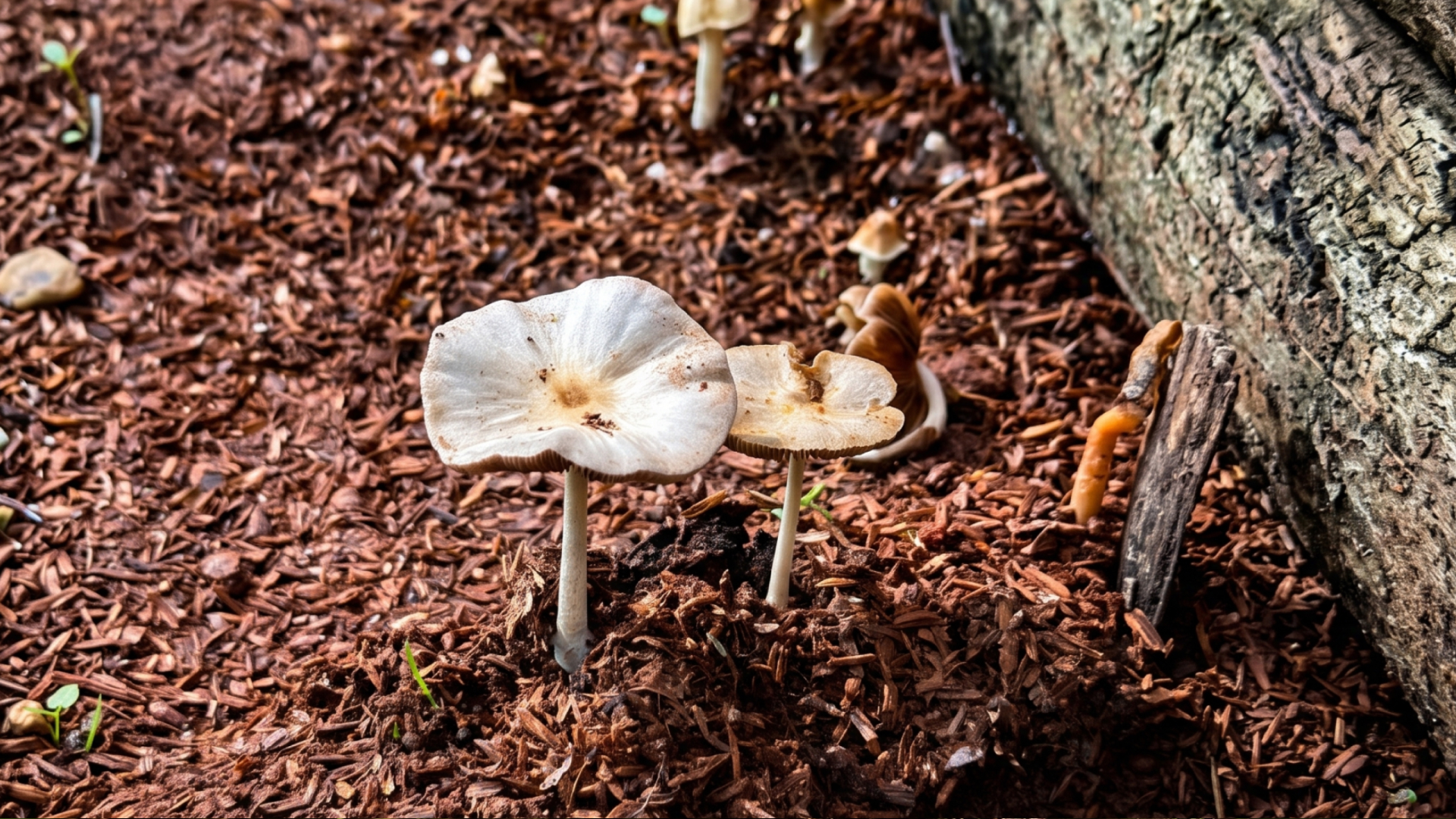
Fungi on the estate floor — the organisms that build soil

The fungi that build the soil back

The soil is tested too.

Testing does not stop at the barrel. The estate reads the soil itself — its nutrients and its microbial activity — and feeds those results back into the same record. Ninety days after a preparation is applied, the block it went onto is retested and cross-referenced against the batch that fed it: did the microbes take, did the organic carbon rise, did the ground move toward its target.

So two circles turn together. The fertility cycle — dung to pit to brew to soil — and the testing cycle — pre-batch to post-batch to soil to next batch — feed each other, season after season. Over time that is what turns a fertility programme into a way of learning the land, and a set of records into proof of what the ground is actually doing.

Dung leaves the herd at dawn.The pit and the barrel remake it.Numbered, tested, it enters the soil.Ninety days on, the soil is read again.What we learn sharpens the next batch.

The loop at the scale of an estate.

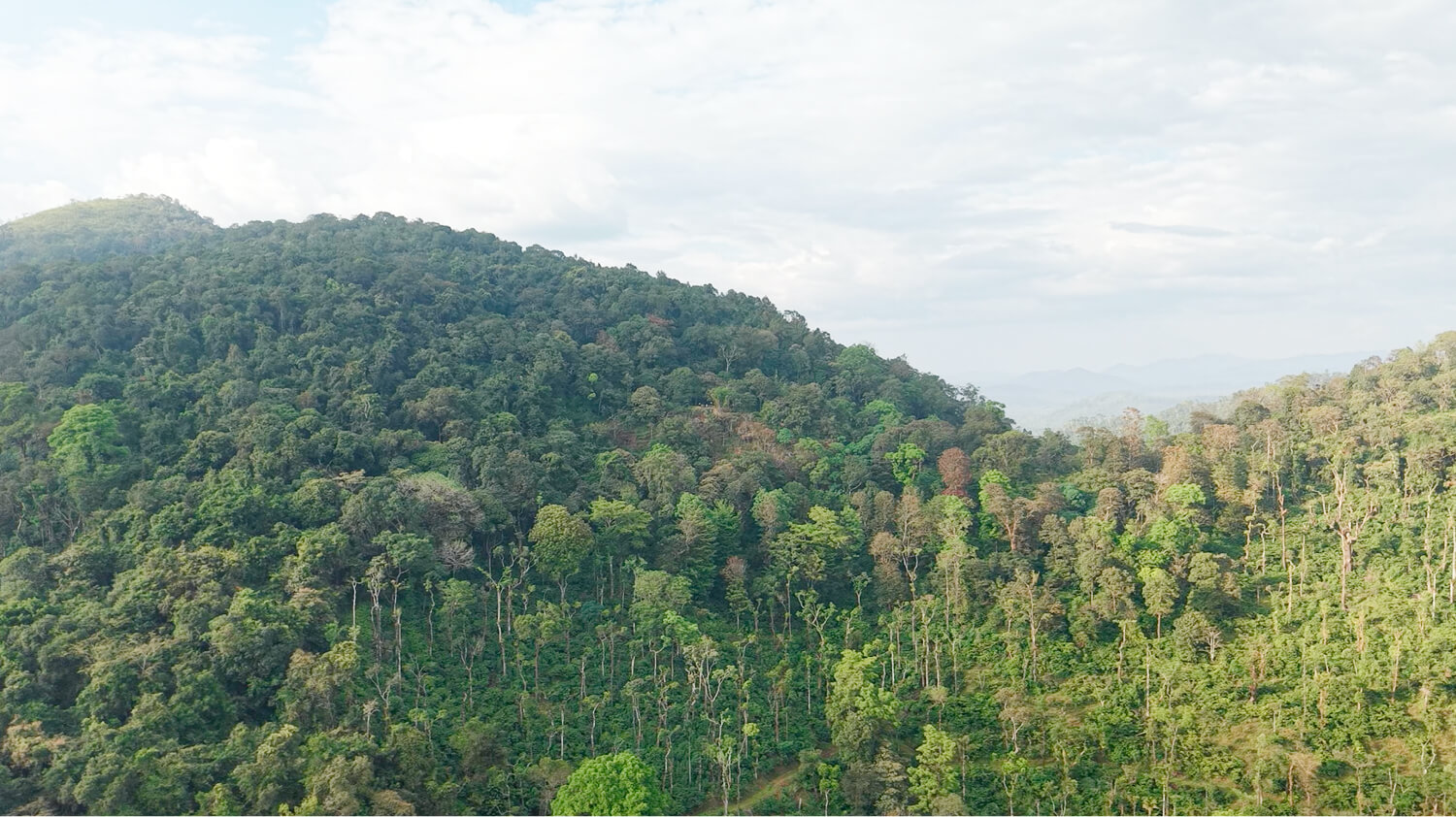
This is the estate's fertility programme at full scale, run on what the herd produces: around 154,000 litres of Jeevamrit and 2,420 kilograms of CPP a year, alongside biodynamic compost, buttermilk sprays, and the horn preparations — all of it sourced from fifty-two cattle grazing the same 150 acres as the coffee.

The work is narrow and constant: collect at dawn, brew and compost by hand, number and test every batch, place it to a known root, and read the soil it leaves behind. Ancestral practice — the pit, the brew, the daily stir — run with modern measurement. That pairing is what Aura calls Natural Intelligence, and here it is aimed at one thing: turning an animal's output into ground that gets richer every year.

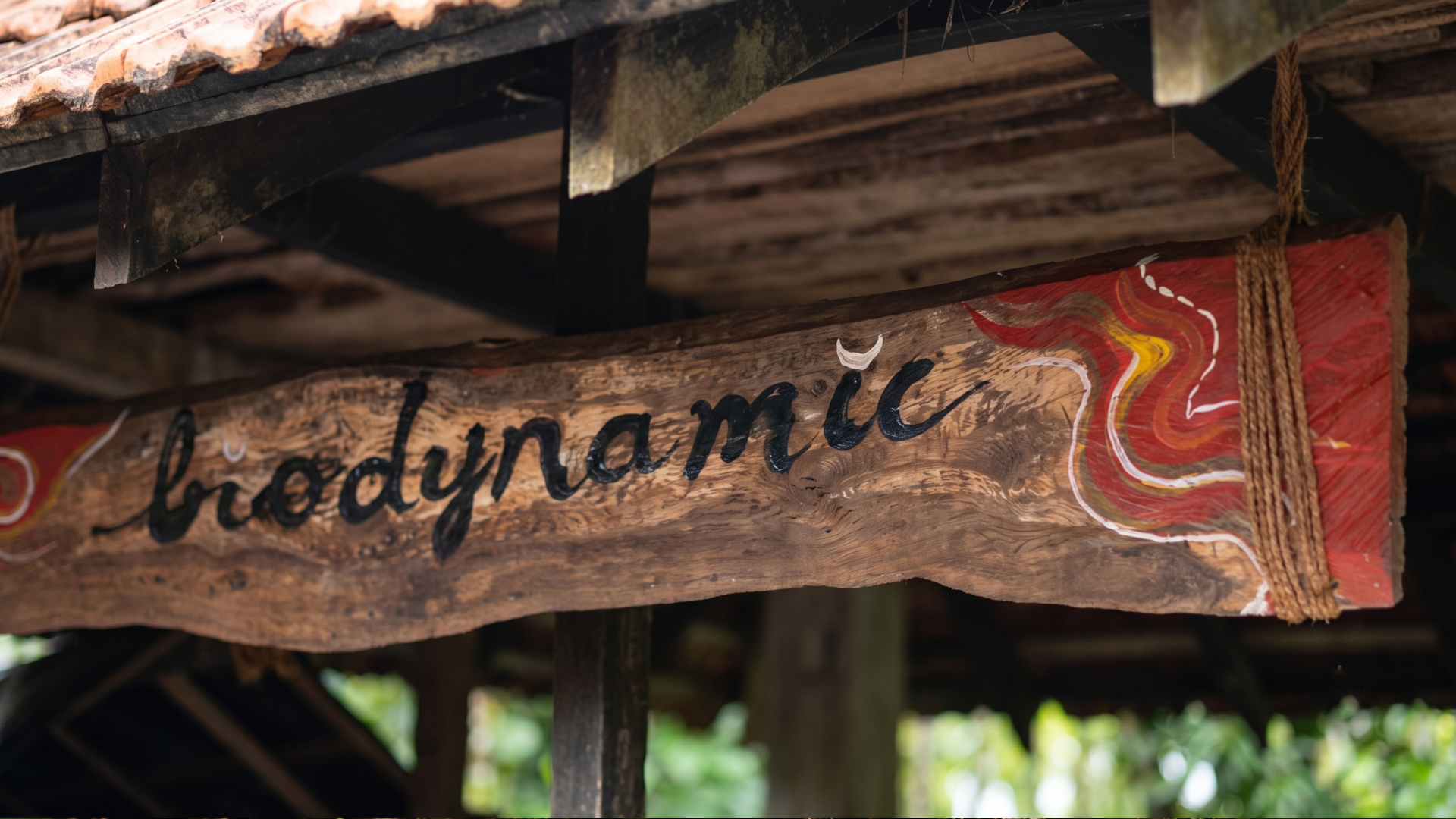
The biodynamic cosmology — planetary timing behind the preparations

Kept for the biology, not the cosmology

154,000 L

Jeevamrit brewed a year from the herd's dung and urine — stirred daily, planned backwards from a BD calendar for 150 acres.

2,420 kg

CPP a year across fourteen numbered pits, turned by hand and dug in ball by ball at the root.

Pre & post

Every batch tested in the estate's own lab before and after preparation — a failing batch is corrected or held, never sprayed.

Fertility is a generational asset.

A bag of fertiliser feeds one season. What Aura builds by closing this loop feeds the next generation of the estate: living soil, deepening year on year, on a horizon measured in decades. We treat the herd's output with the respect owed the estate's most valuable material, rebuild it into fertility by hand, test it before and after, and measure whether the ground is gaining. The oldest knowledge we have, run with the newest tools we trust — Natural Intelligence, returned to the soil. That is what generational impact looks like: one pit, one batch, at a time.