Back

The estate as one living organism

Biodynamic

Biodynamic is a worldview.

BD 500 through 508. Jeevamrit. Panchgavya. Two ancient farming intelligences working together on one estate.

At Aura, biodynamic farming is a closed-loop operating system — a way of understanding the estate as a single organism where soil, plant, animal, and cosmos are connected.

We practise two systems simultaneously: European biodynamic (Rudolf Steiner, 1924) and Vedic agricultural science (millennia older, orally transmitted, regionally adapted).

Two languages describing the same intelligence.

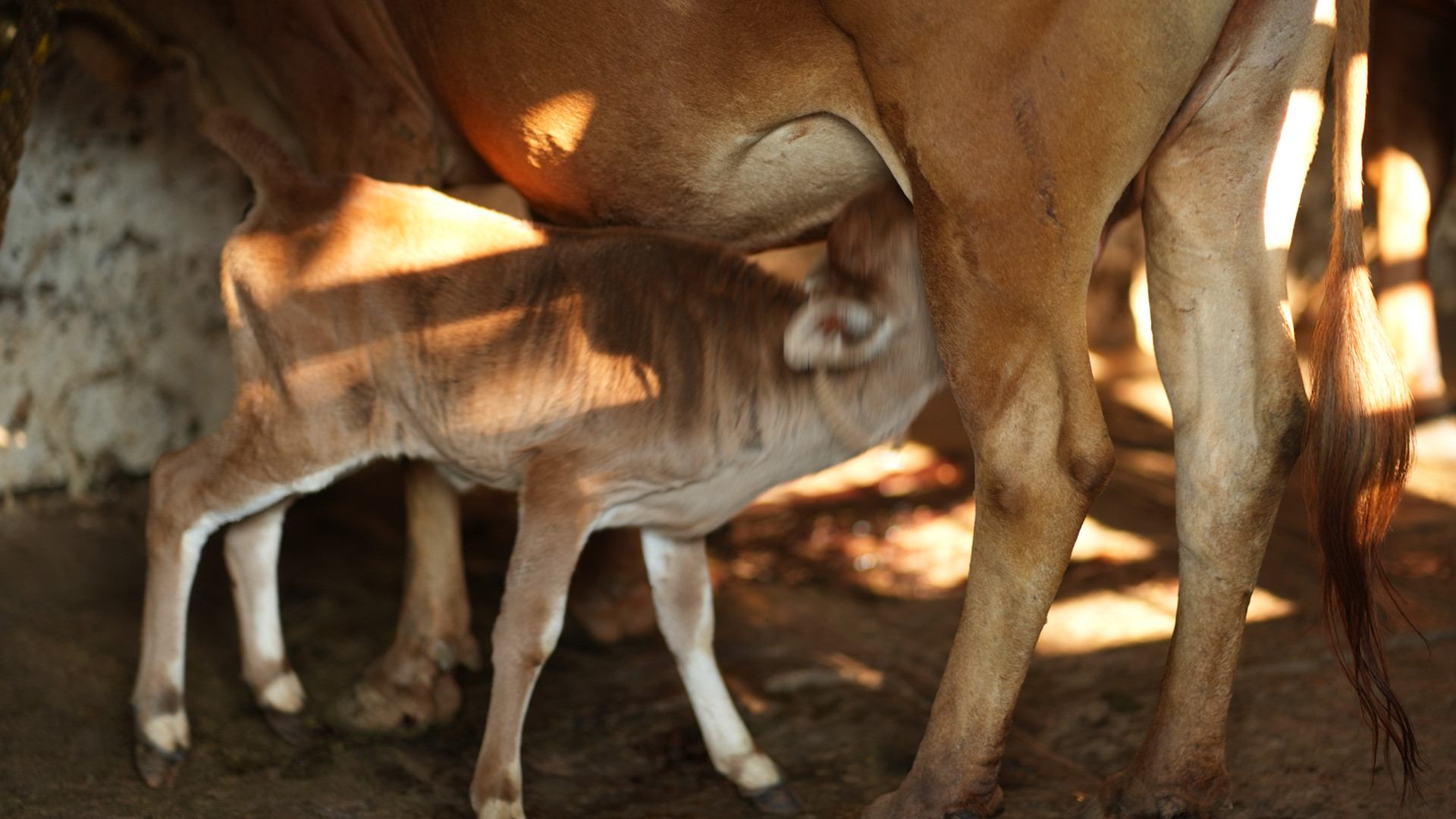
A Malnad Gidda calf standing in the morning shade — the next generation of the herd

The next generation — the herd that will run the next hundred years

The Steiner preparations.

BD 500 — horn manure. Cow dung packed into a cow horn, buried over winter, exhumed in spring. The microbial transformation that occurs underground produces a concentrate of soil-building biology. Stirred dynamically for one hour — creating a vortex, breaking it, reversing — then applied to soil in the evening, when the earth is inhaling.

BD 500 — Horn manure.

Cow dung buried in a horn over winter. Soil biology, applied at dusk.

BD 501 — Horn silica.

Ground quartz buried over summer. Foliar mist at first light. Light metabolism in the leaf.

BD 502–507 — Compost preparations.

Yarrow, chamomile, nettle, oak bark, dandelion, valerian. Tiny doses, added to the heap to regulate decomposition.

BD 508 — Horsetail.

Silica-rich foliar spray. The fungal preventative for the monsoon-heavy Ghats.

The Vedic system.

Alongside the Steiner preparations, the estate prepares and applies a parallel set of inputs rooted in Indian agricultural science —CPP, Jeevamrit, Panchgavya, Beejamrit, and older preparations from the Vrikshayurveda lineage.

The two systems are not in competition. Each carries a piece of the same underlying observation: feed the soil, not the plant; close the loop; let the cow do most of the work.

Jeevamrit.

Cow dung, cow urine, jaggery, gram flour, water. Fermented 5–7 days. Soil drench.

Panchgavya.

Five cow products fermented together. Foliar spray and soil amendment.

Beejamrit.

Cow dung, cow urine, lime. Seed treatment.

CPP.

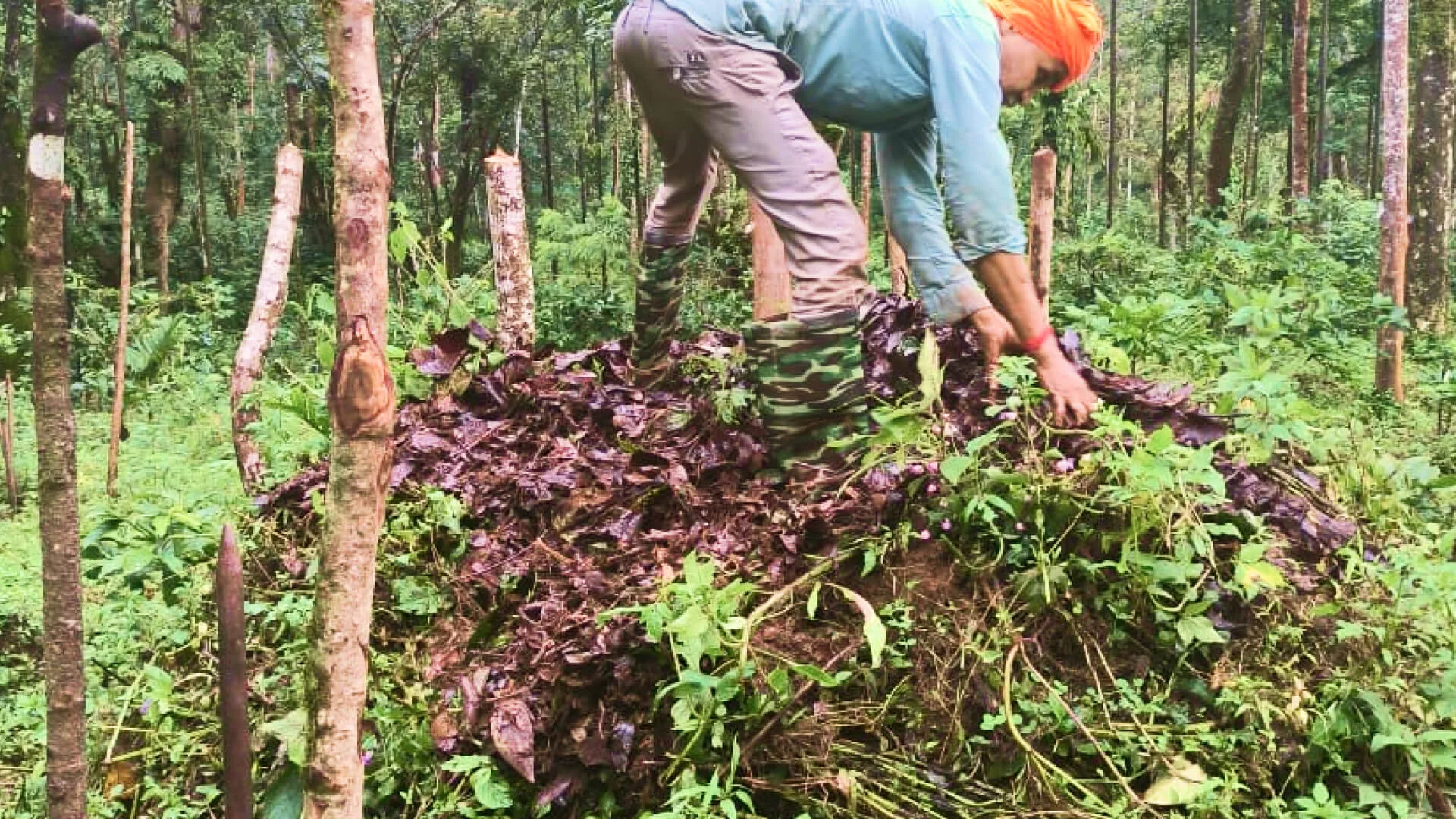
Cow pat pit. Composted dung with BD compost preparations. Field spray.

Buttermilk + coconut.

Foliar.

Matka khad.

Pot compost, slow-fermented.

Vermicompost tea.

Soil drench.

Vermiwash.

Liquid extract from worm castings.

Kunapjal.

Ancient Vrikshayurveda preparation.

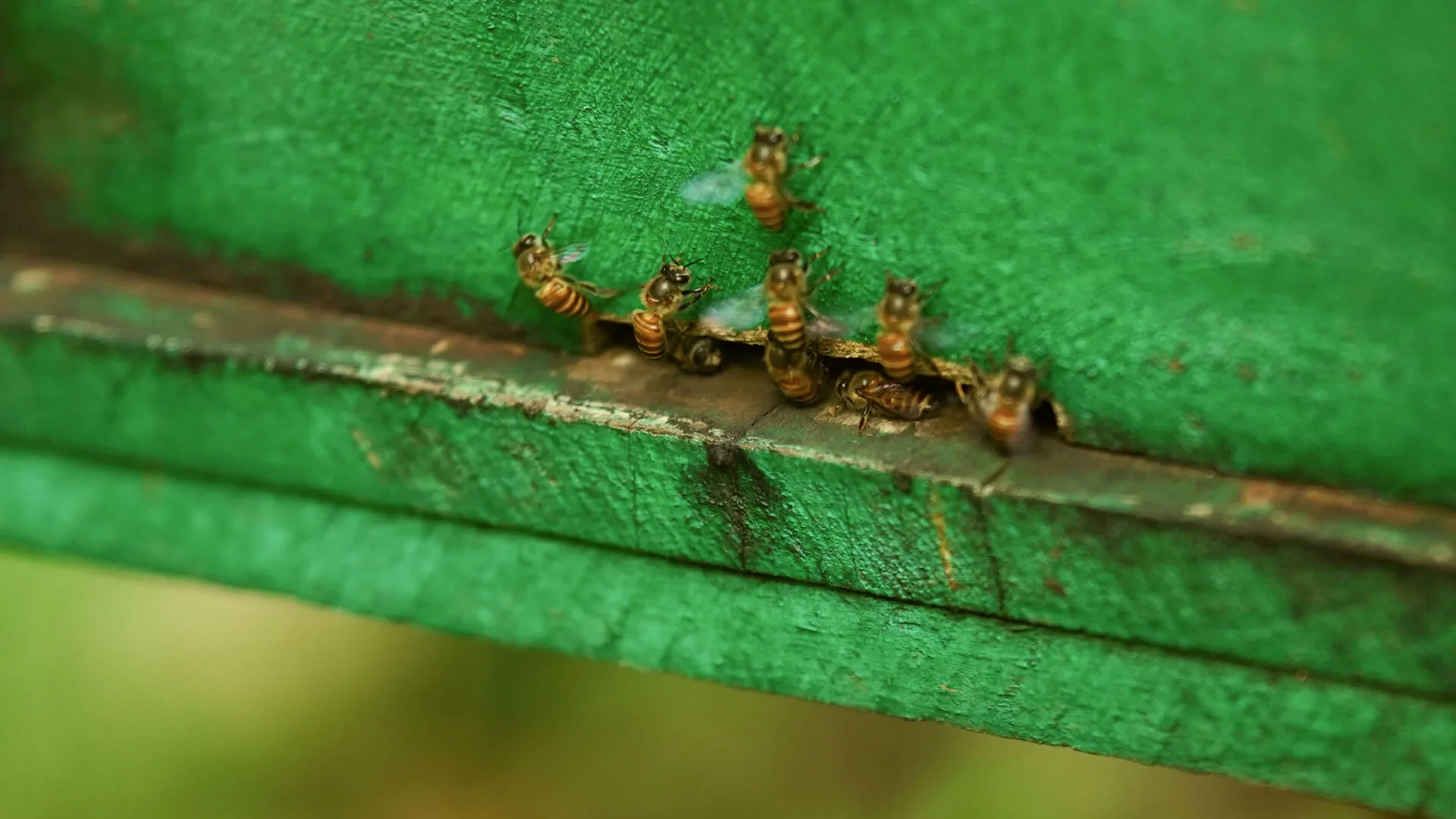
Pollinators — the closed loop runs through them too

We do not abandon CPP for newer methods. We SCALE WISDOM. We do not REPLACE it.

The herd as engine.

Everything begins with the cattle. The 52 Malnad Giddaare an indigenous Karnataka breed — not Holsteins, not Jersey crosses. They have grazed at this altitude for centuries. Their gut microbiome is adapted to the estate’s grasses and soil. Their dung carries microbial characteristics specific to this breed, this land, this climate.

The dung drives BD 500, CPP, Jeevamrit, Panchgavya, and compost activation. The system tracks which animals contributed to which preparation batch. Ninety days after application, soil biology outcomes are cross-referenced with the preparation’s lab results — pH, EC, microbial colony counts, Trichoderma viability,Pseudomonas counts.

The cattle rotate through blocks timed to coffee cherry development stages. At the right time, their presence enriches soil biology for the next season. At the wrong time, it compacts the ground. Timing is everything. Right time, right action.

Two young Malnad Gidda calves in the pen — indigenous Karnataka breed adapted to the Western Ghats

Young Gidda calves — the next generation

No untested material touches the soil.

Every batch is tested before application. The BD application data stream records which crop layer was targeted, which blocks received the application, the lunar calendar day, the weather at the moment of spraying, the field worker, and the dung source batch. Every entry is cross-referenced with soil health outcomes over the following months.

pH and EC.

Every batch.

Microbial colony counts.

Every batch.

Compost maturity.

Temperature, C:N ratio, moisture.

Heavy metals and pathogens.

External lab.

AAT chromatography.

BD soil vitality imaging.

Spray teams.

Three in-house BD teams.

Buffer days.

Three per monthly schedule.

On chain.

The BD seasonal cycle — a full year of preparations applied, tested, and recorded — is sealed on the blockchain as a permanent, verifiable event.

Organic and biodynamic certification evidence becomes unfakeable: it is cross-referenced against weather data, lunar records, and soil outcomes that cannot be retroactively altered.

This is not certification theatre. This is the practice, recorded with integrity, made permanent.

Biodynamic is a worldview.The herd is biological infrastructure.We farm for the next hundred years.

The herd is biological infrastructure.

Biodynamic inputs, ecological pest balance, soil microbiome restoration — these are not features and not selling points. They are evidence of intelligence aligned with nature, not imposed on it.

A four-story polyculture, fed by preparations from indigenous cattle, building soil carbon decade over decade. This is what a closed-loop operating system looks like when it has been running long enough to forget where it started.