Fermentation

Foam lifting and collapsing on a coffee cherry ferment

Fermentation

Three fermentation disciplines. One estate.

Coffee, pepper, and cow dung. Each one transforms raw material into something the land could not produce alone.

Fermentation at Aura is the moment the estate’s character becomes audible in flavour — or invisible in soil biology. Every crop the estate values passes through it.

Stripped to its definition, fermentation is only this: desired microbial growth and the enzyme work that comes with it — the oldest technology we have for turning a raw material into something more stable, more digestible, or more delicious. Humans have used it to keep food through winters, to unlock nutrients a body could not otherwise reach, and to make flavours that do not exist in the plant. The estate runs three of these conversations at once. They are not the same conversation, and it is worth being precise about how they differ.
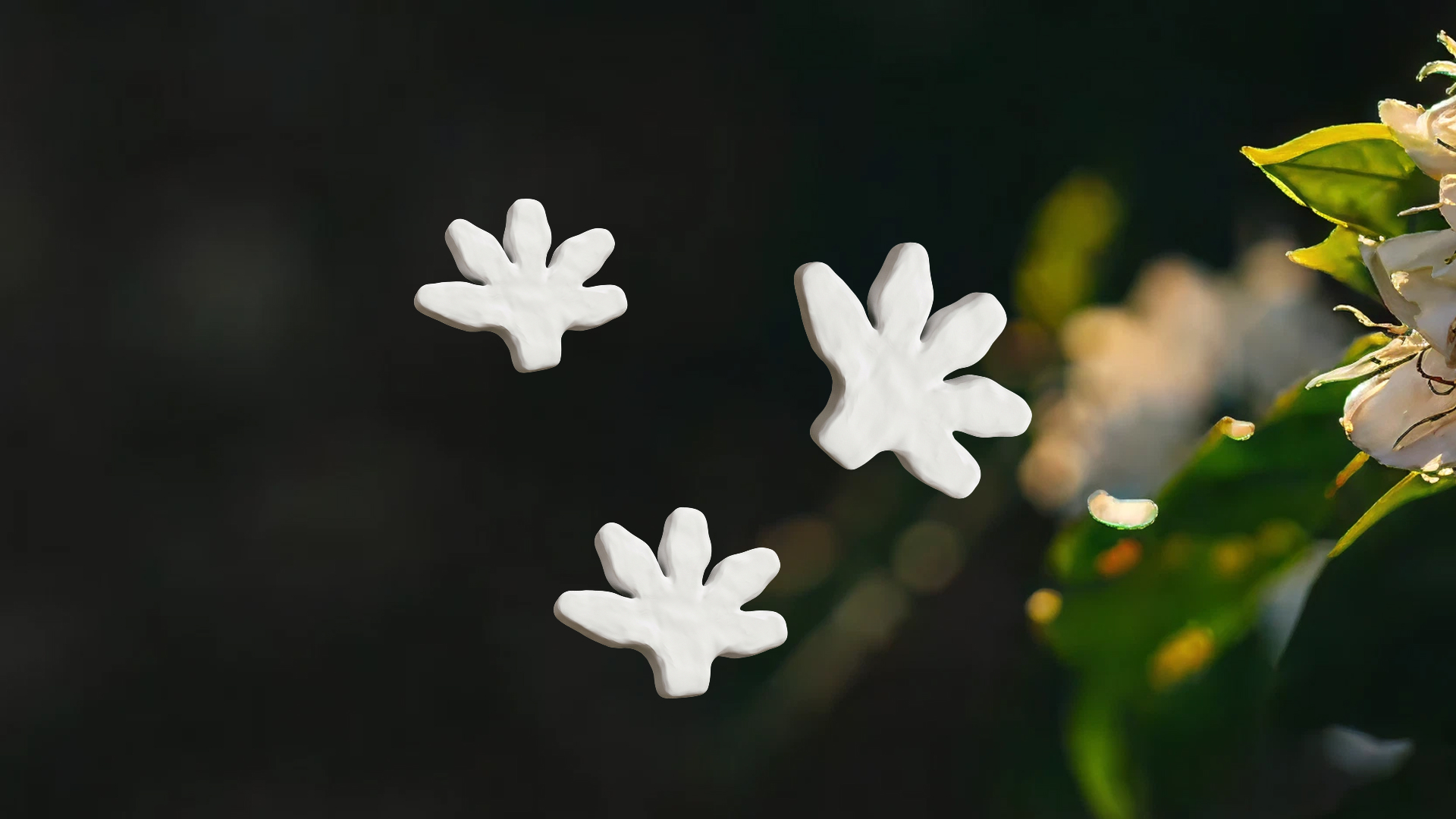
White coffee blossom on a Sln.9 branch — the start of every cherry, every lot

Coffee flowers — the beginning of every lot

Coffee fermentation.

Six distinct methods applied to the same Arabica cherry. The differences you taste are decisions, not accidents.

Every lot is tracked: pH every 15 minutes, temperature three times daily, Brix at start, mid, and end. The data does not average across the harvest. It follows each lot as an individual.

Anaerobic Natural.

48 hr sealed. The cherry’s own microbial environment does the work.

Dry Osmosis.

Dried to 45% moisture first, then 48 hr ferment. Notes: blueberry, fig, raisin.

Red Honey.

Mucilage on. 5 days thick drying, then 25 thin. Oxidation turns it red. “Liquid Gold.”

Banana Wash.

24 hr anaerobic, then layered with banana leaves for 48 more. The most distinctly Indian lot.

Solera Maceration.

Multi-cycle carry-forward. The microbial culture of one batch shapes every batch that follows. The flagship.

Solera Wash.

24 hr ferment, three-day soak, hand-washed. Highest Brix at 23%. The cleanest expression of the cherry.

Six methods, one cherry. The full lot-by-lot file — yields, immature counts, drying timelines, cupping notes — lives on the Our Coffee Story page.

Pepper fermentation.

Black pepper climbs the areca palms in the mid-canopy. It has its own fermentation tradition — water retting and controlled fermentation tracked separately from coffee.

The scheduling matters: pepper and coffee fermentation share BD inputs, and the system must ensure their timing does not conflict.

Malabar pepper on the vine — mid-canopy companion to the areca palm

Cow dung fermentation.

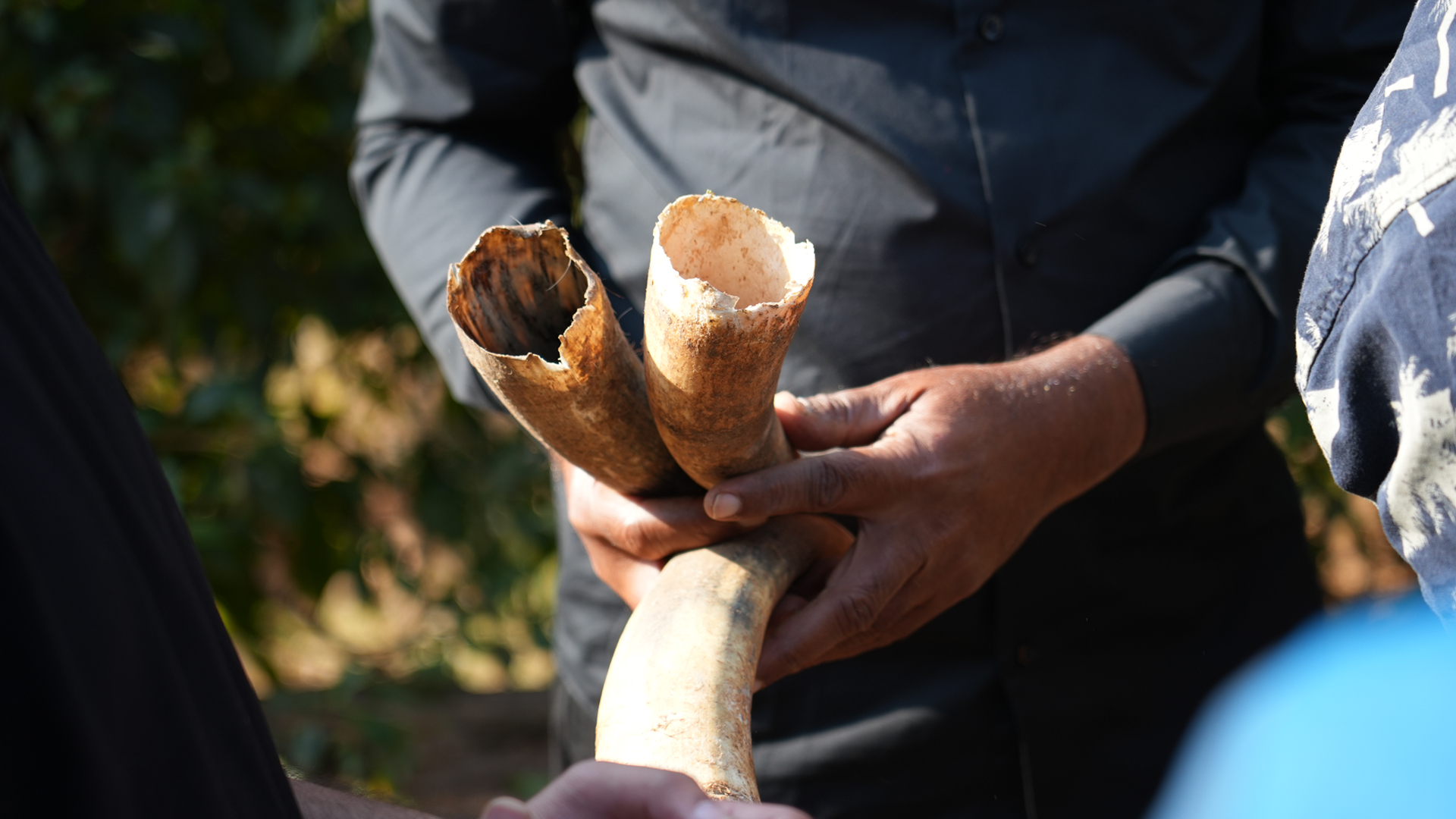
This is the one most people never picture as fermentation, and strictly it is a close cousin: a microbial decomposition, a composting in miniature. It earns the name honestly. Metabarcoding of horn manure shows a real succession underground, one microbial community handing off to the next as the months pass.

BD 500begins as fresh dung from the estate’s 52 Malnad Gidda, packed into a horn and buried. What we claim for it is the microbiology: a decomposition shaped by the breed, the season, and the soil it lies in. The cosmology around it — the lunar timing, the talk of the earth breathing — is poetry a century old, and poetry has never survived a trial. We keep these preparations for the biology in them, which is real, and we measure it.

Sealed stainless tanks for experimental anaerobic ferments — pH and temperature logged hour by hour

Sealed. Logged.

Experimental anaerobic coffee tanks. pH every fifteen minutes, temperature three times daily, Brix start to end. Every lot is a tracked individual, not an average.
Black peppercorns retting in water — the first stage of pepper fermentation

Retted. Released.

Pepper's first stage. Water softens the pericarp, microbial activity loosens the skin, and the discipline that scheduled it waits on the BD calendar to clear.

No untested material touches the soil.

Every batch is tested before application. The dung batch that produced the BD preparation is tracked back to the individual animals that contributed to it. Ninety days after application, soil biology outcomes are cross-referenced with the preparation’s lab results.

pH.

Every batch.

EC.

Every batch.

Microbial colony count.

Every batch.

Compost maturity.

Temperature, C:N ratio, moisture.

Trichoderma viability.

Counted.

Pseudomonas.

Counted.

Soil outcome.

Re-checked 90 days post-application.

The COFFEE carries the FLAVOUR. The PEPPER carries the SPICE. The DUNG carries the BIOLOGY.

A cured cow horn cracked open to reveal BD 500 — biodynamic preparation 500 made from cow dung

A gloved hand cracking a cured horn to reveal BD 500

Flavour is CULTURED — grown, in the dark, by things too small to see.

Fermentation is transformation.It asks only for patience.One batch shapes the next.The dung carries the biology.The cup carries the flavour.

Patience made visible.

Three disciplines, three timers, one attention. Fermentation at Aura is how the estate thinks — slowly, microbially, in the dark — and it is how the estate will eventually train a model that remembers what a good ferment smells like, hour by hour, season by season.