Back
Monastic Polymaths

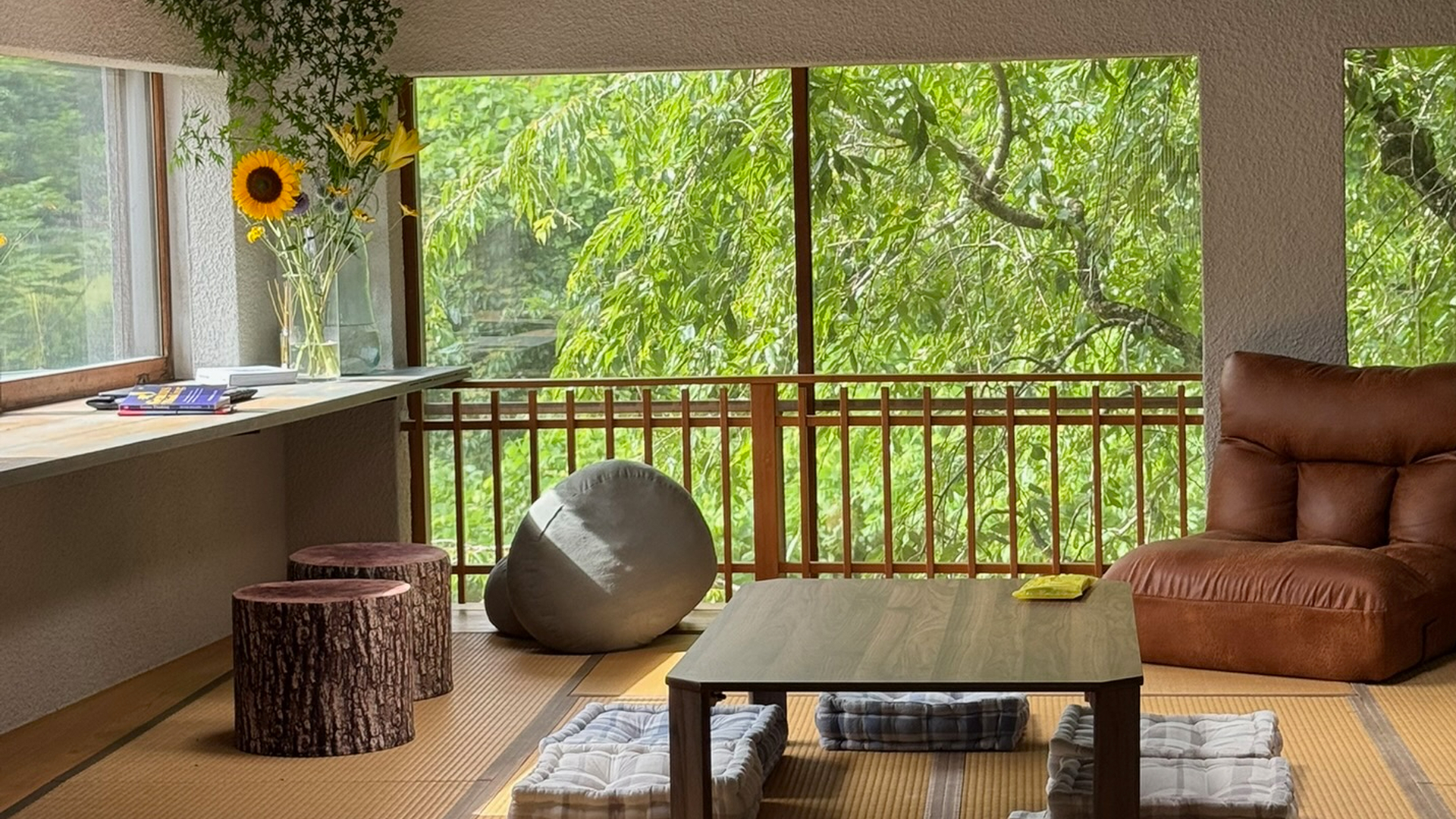
A working desk, a window onto the forest

MonasticPolymaths

An artist residency for natural intelligence.

The estate is the studio. Forest, kiln, wet mill, cattle pen, tea garden — all of it.

Artists, makers, scientists, chefs, and quiet thinkers come here to make work that could not be made anywhere else. The work answers to the land, the season, and the people who have read this place longer than any of us have been alive.

Natural intelligence.

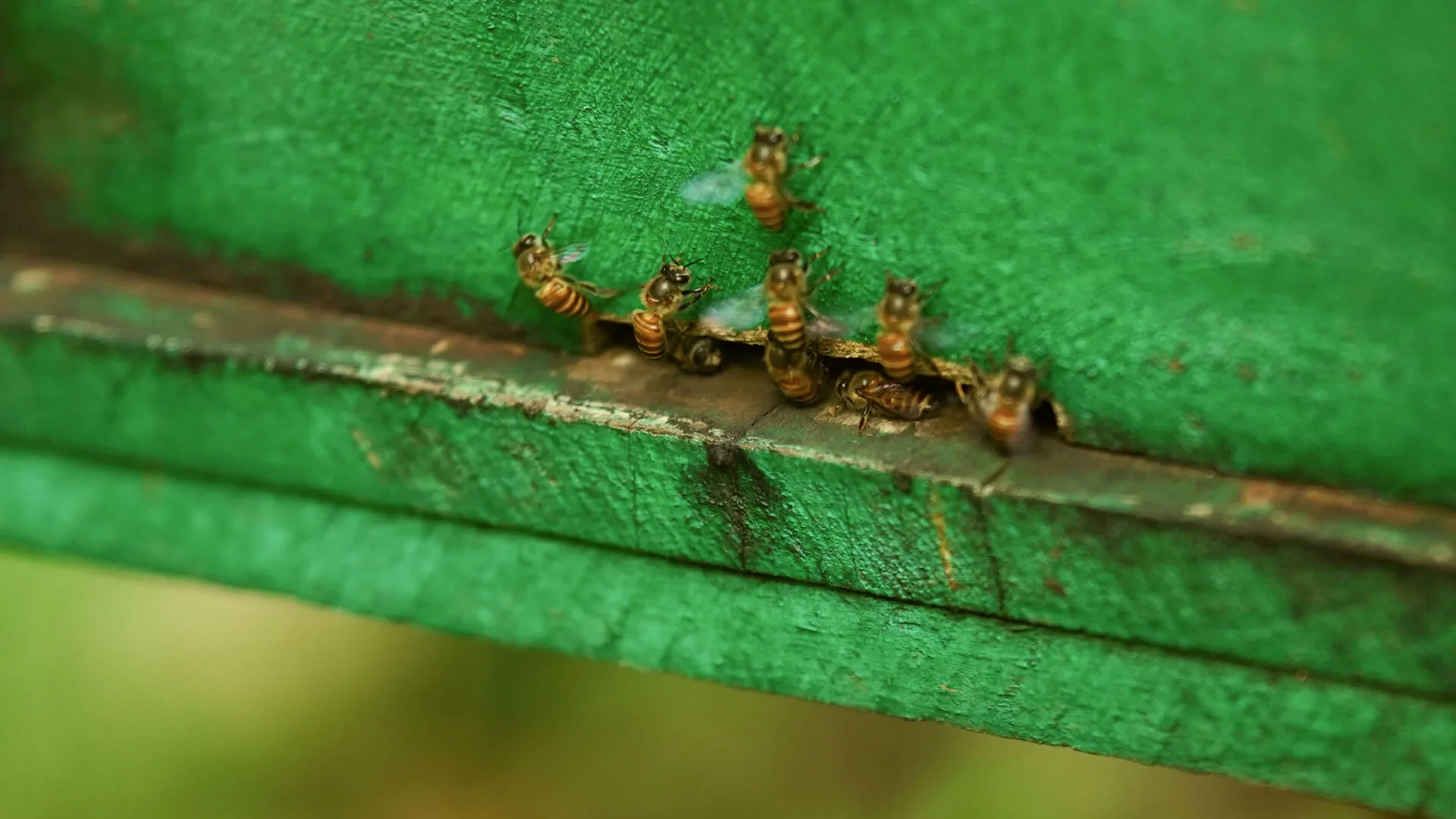
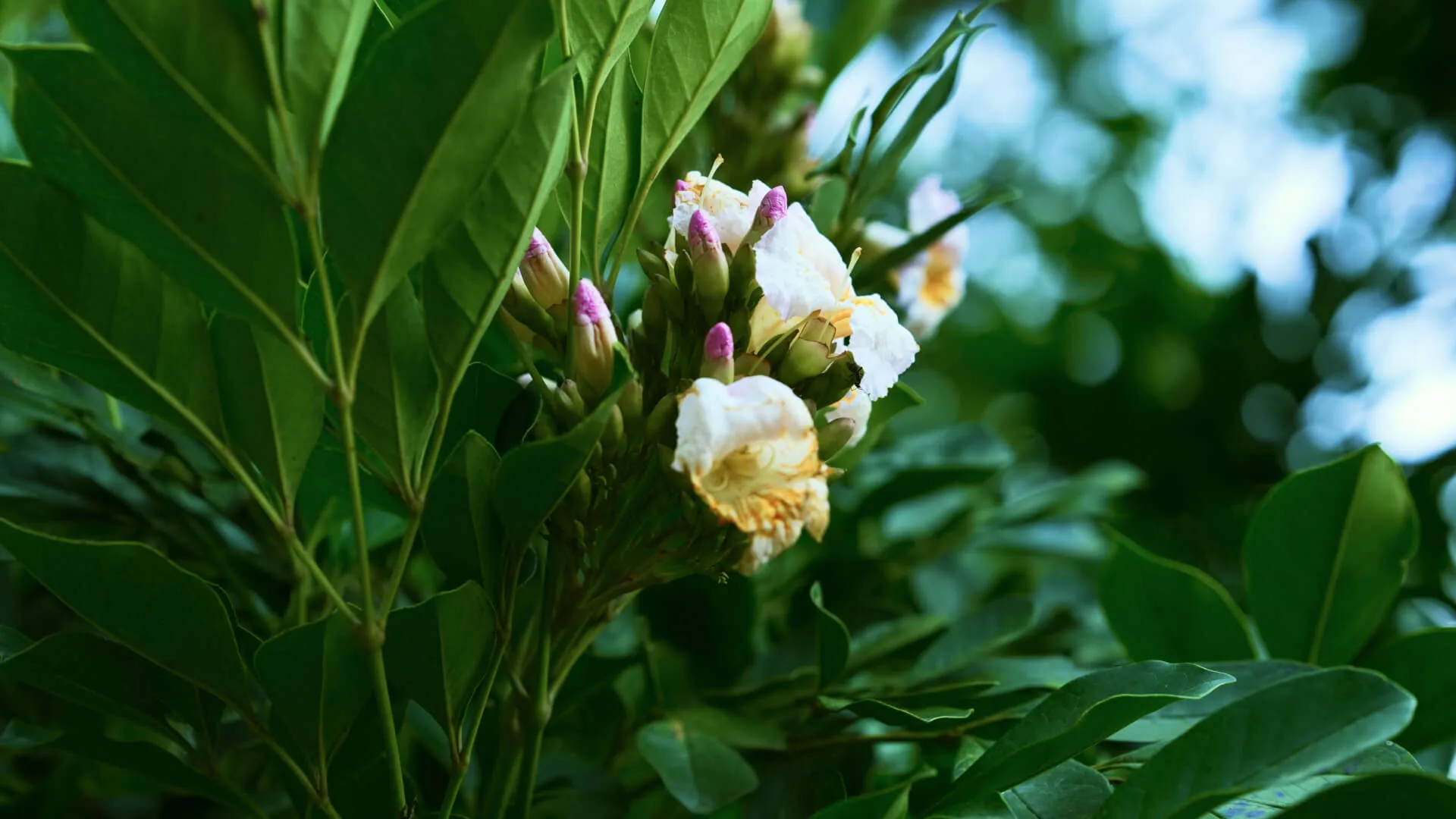
We read the estate the way others read datasets. Canopy density predicts cherry Brix. Bee activity forecasts flowering. Cattle rotation shapes next season's microbiome. Soil biology thirty days after cover-crop predicts the cup.

The land is the original general-purpose intelligence — observed, transmitted, lived. Older than any model on a server. Residents come to listen to it long enough that it changes what they make.

The intelligence of a Shigarakipotter who knows which wood the kiln will accept this week. The shepherd who reads the herd's mood like weather. The soil that has been farmed biodynamically long enough to have a memory. The residency renders that intelligence visible.

Connective tissue between disciplines.

Most artist residencies put a painter next to a painter and call it community. Aura does the opposite. A coffee fermenter next to a ceramicist. A soil biologist next to a Washi papermaker. A designer next to a shepherd. The friction between disciplines is the point. That is where the work nobody else can make gets made.

We call them embedded residencies because you arrive inside a living system. You eat from the garden you walked past at dawn. You work with material sourced, fermented, or fired on the property. The residency is the biosphere.

The FRICTION between disciplines is the POINT. That is where the work no one else can make GETS MADE.

The work that gets made here.

A potter who arrives with a portfolio of urban ceramics leaves firing vessels with banana-leaf ash from a wash lot. A composer who comes to listen for a week leaves with a piece scored for eighteen minutes of cricket-and-rain. A chef writing ferment notes ends up cooking a season's menu around what the cattle ate that month. A designer makes the first Kannada colourway for an Ohara letterpress.

We do not assign briefs. We host the conditions and let the land do the rest of the work. The residency's output is intentionally varied — books, dishes, instruments, gardens, tools, fragrances, music, films, software, glaze recipes, fermentation calendars — because natural intelligence does not come out in a single medium.

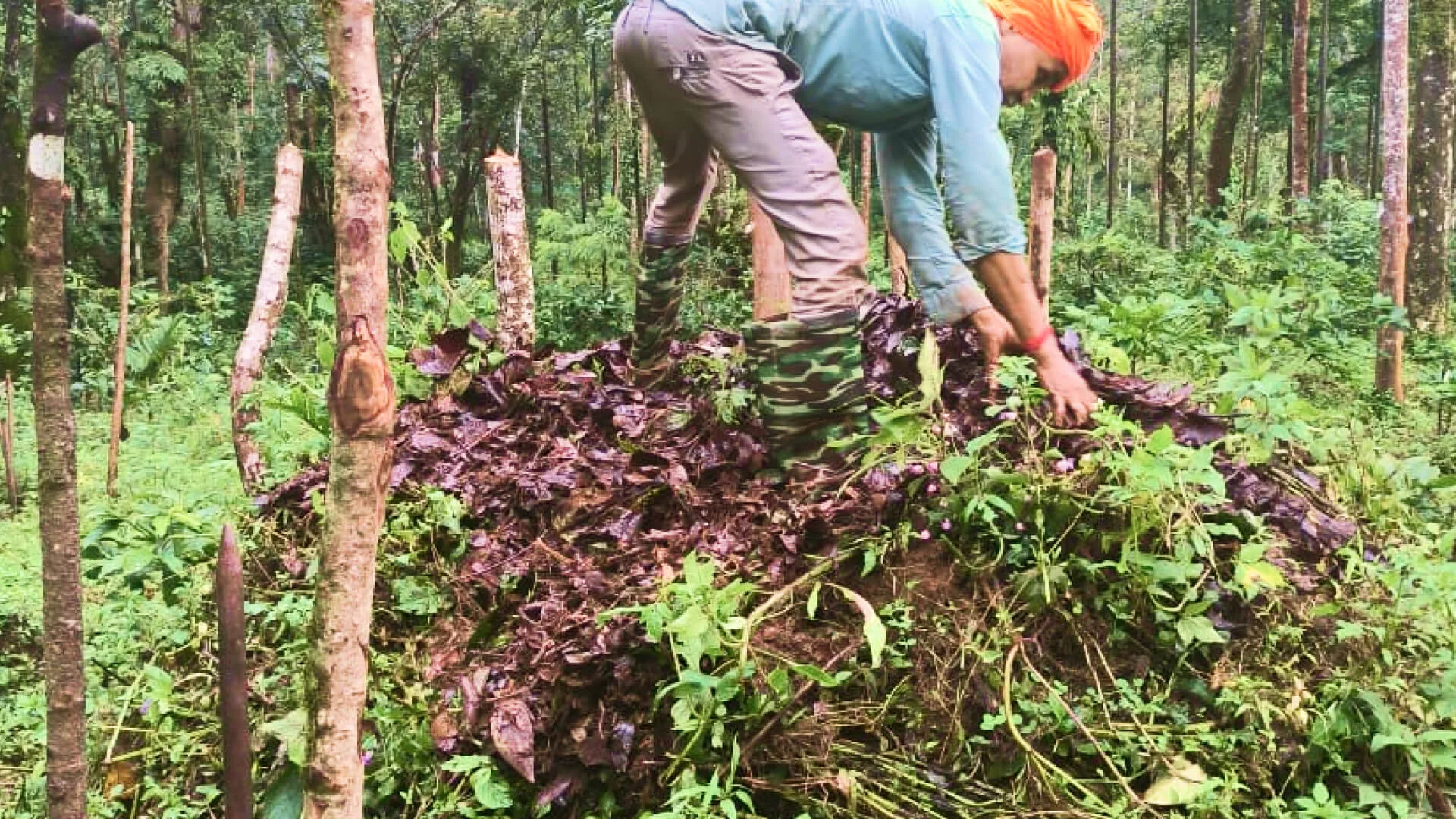
Hands at work on material in the residency studio — discipline ambiguous, Mudigere or Ohara

A maker mid-task. India or Japan ambiguous.

Two estates. Two old intelligences.

Mudigere is Vedic. Ohara is Zen. Neither apologises to a Western sustainability narrative. Both operate from Ṛta — right time, right action, natural order. The residency moves between them because the work that begins in one valley is often only complete once it has been read in the other.

India · Mudigere

Raw. Monsoon. Soil. The intelligence of a four-story canopy and fifty-two indigenous cattle. Days begin with the herd moving through the morning mist; work is loud, hot, and generous; Kannada is the common tongue.

Japan · Ohara

Refined. Tea. Washi. The intelligence of an eight-hundred- year fermentation lineage in the valley and a thirty-year- old Japanese garden on the property. Days are quieter, slower, more deliberate. Japanese is the common tongue. Purple shiso grows nowhere else in Japan.

The shape of the right applicant.

We pre-select. The selection is not a gate, it is a promise — to you, to the other residents that week, to the land. Six criteria, drawn from how we actually choose.

Raw curiosity

An appetite that has not been professionalised out of you. You still follow things because they are interesting, not because they are strategic.

Grown maturity

You can be in a room with people you disagree with and do better work because of it. You hold your own time and your own hygiene.

Prolific output

You make a lot. Finished or unfinished. The volume is evidence of the practice. We would rather see twenty rough pieces than one polished portfolio.

Earned judgment

A point of view on taste. You can tell us why something works, not just that it does.

Full of gratitude

You know the land, the shepherd, the cook, and the other residents got you here. “Full of gratitude” is not a tone. It is a diagnosis.

Moral spine

We would rather host a twenty-year-old odd kid with conviction than a forty-year-old name with none.

We are not building a PROGRAMME. We are building a RESIDENCY that will still be recognisable in a HUNDRED YEARS.

A practitioner at work in a quiet studio — the residency's posture of attention

Sit close to someone who has been listening to one craft for thirty years.

Teachers in residence.

The teachers are not visiting lecturers. They are people whose practice the estate is built around — a master potter, a biodynamic farmer, a washi papermaker, a coffee cupper, a shepherd, a tea host, a soil scientist. Most have been doing one thing for twenty to forty years.

What we are really asking residents to do is sit close to someone who has been listening to one craft, one material, one living system long enough to know it without speaking. The work is the transcription of that knowing — into objects, recipes, tools, scores, books, software.

The Gathering · Bhoomi Festival.

Once a year, the residency opens. Former residents, visiting teachers, neighbours, the shepherd's family, the coffee cuppers, the ceramicists — all on the estate for one long week. Field walks in the morning. Workshops through the day. Music, fire, and long tables at night.

The Gathering is the residency's annual culmination, and the single best way to meet the people behind it. Bhoomimeans “the earth” in Sanskrit and Kannada — the name is the brief.

The silhouette of the canopy. Slow shutter.

By invitation.

There is no form. There is an address. Write to residency@theaura.life. Tell us who you are, what you are working on, and why the residency. One page is plenty.

Promise less, deliver more. We do not roadshow. We answer every note.

The land is the original intelligence.Listen to it long enoughthat it changes what you make.The work is the transcriptionof that listening.

What the residency is really for.

A century from now, very little of what we are calling artificial intelligence today will still be running. The intelligence that will still be running is the one that lives in soil, in craft, in shepherds' vocabulary, in fermentation lineages, in the twenty-page notebooks of artists who spent two months on this estate watching the canopy breathe. The residency exists to put more of that into the world.