Regenerative
Coffee

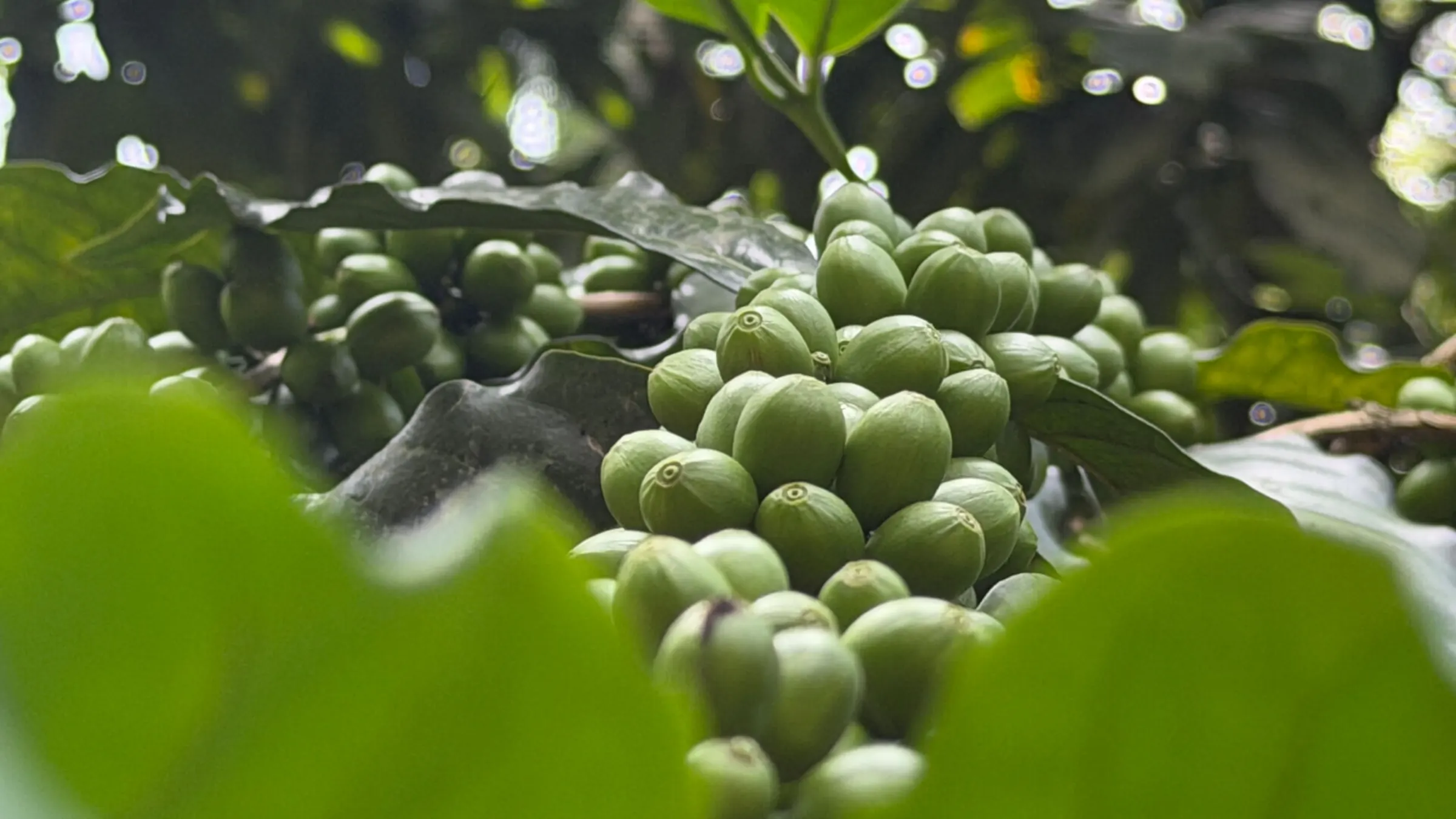
Every season, this ground is worth more than it was.
The herd feeds the soil, the soil feeds the trees. Nothing is bought in and nothing is trucked away. Nine disciplines read the same hundred and fifty acres; the estate is where they overlap.
What enters the mind shapes what the hands build.
Biodynamic.
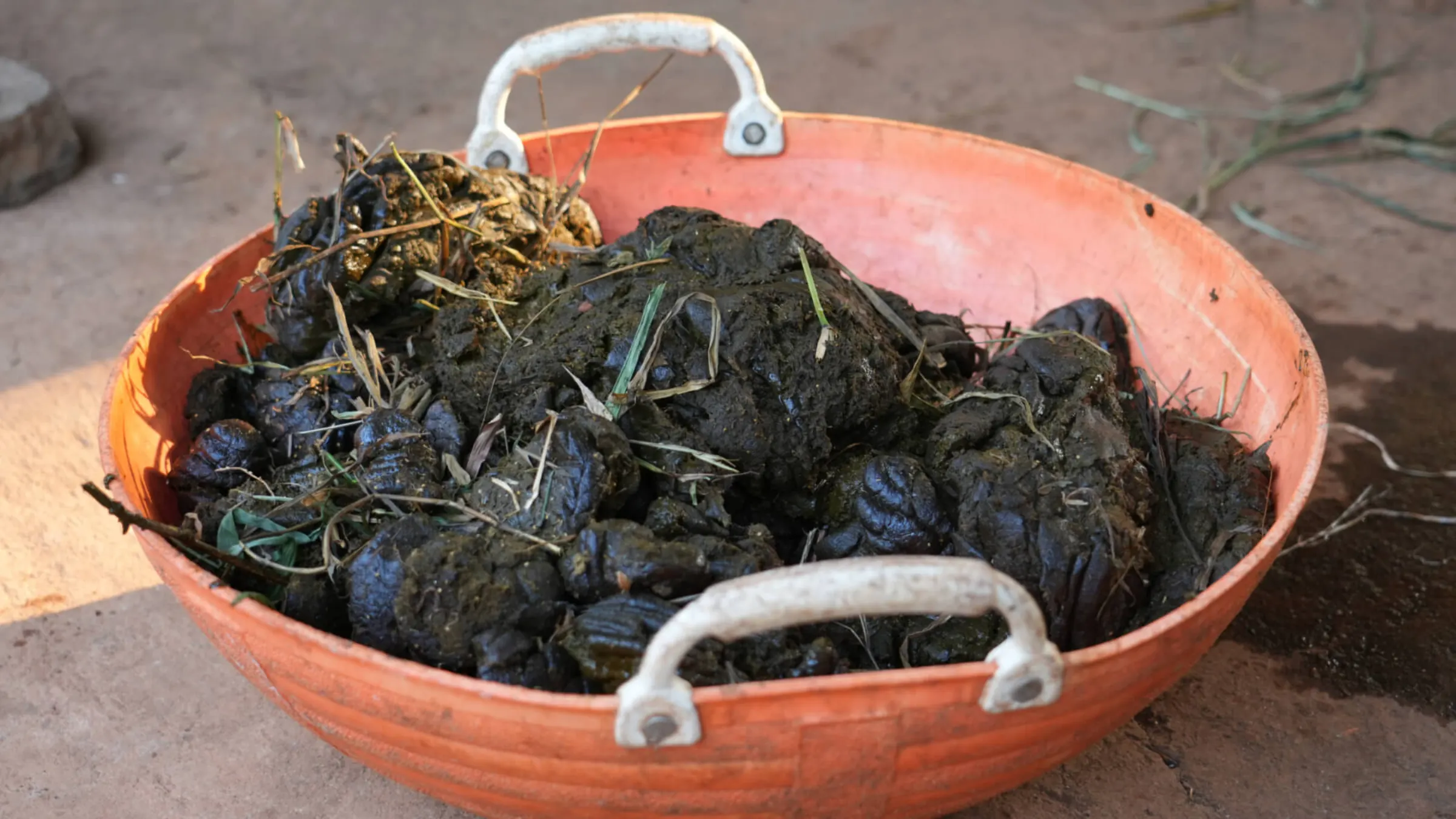
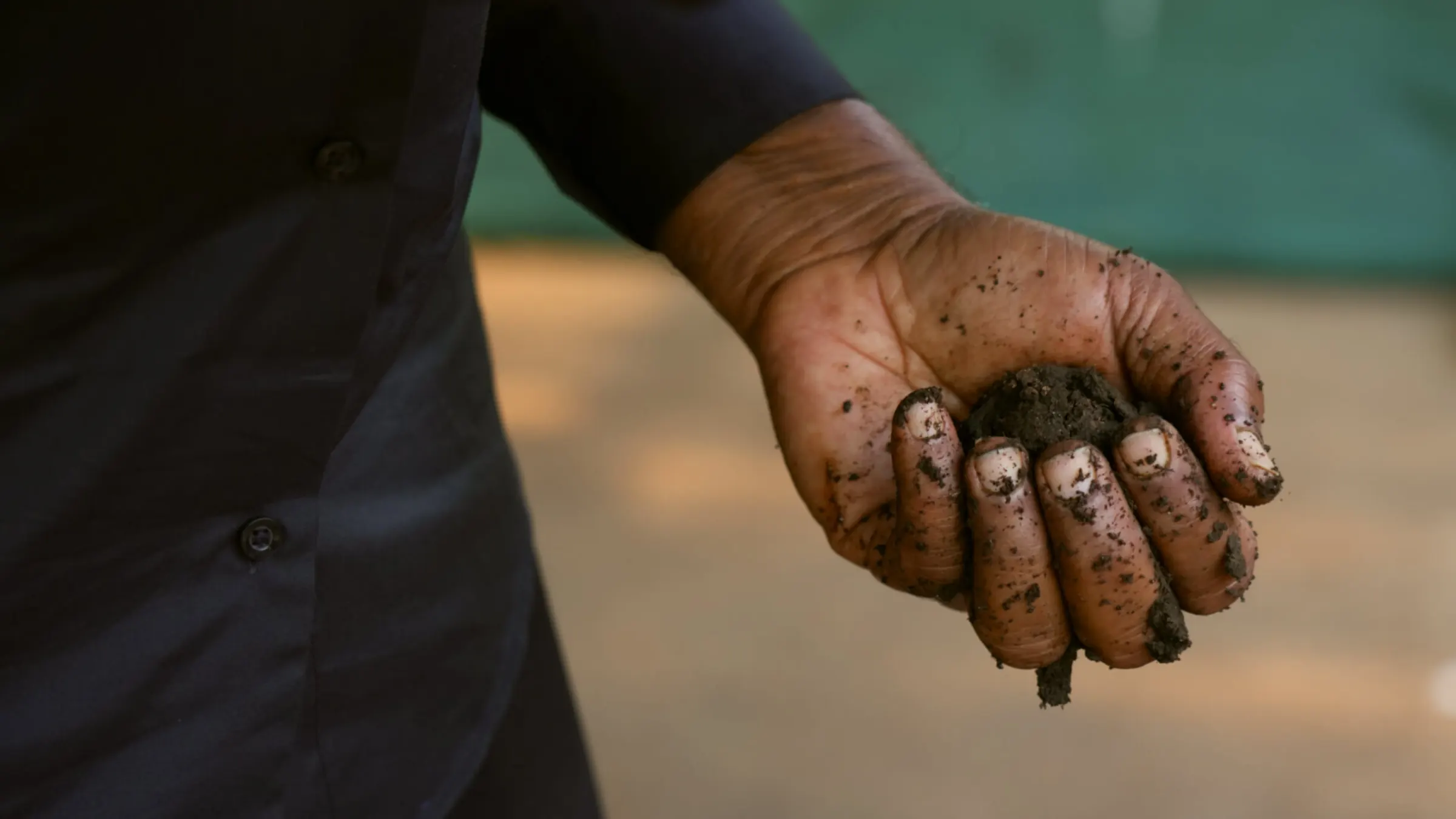
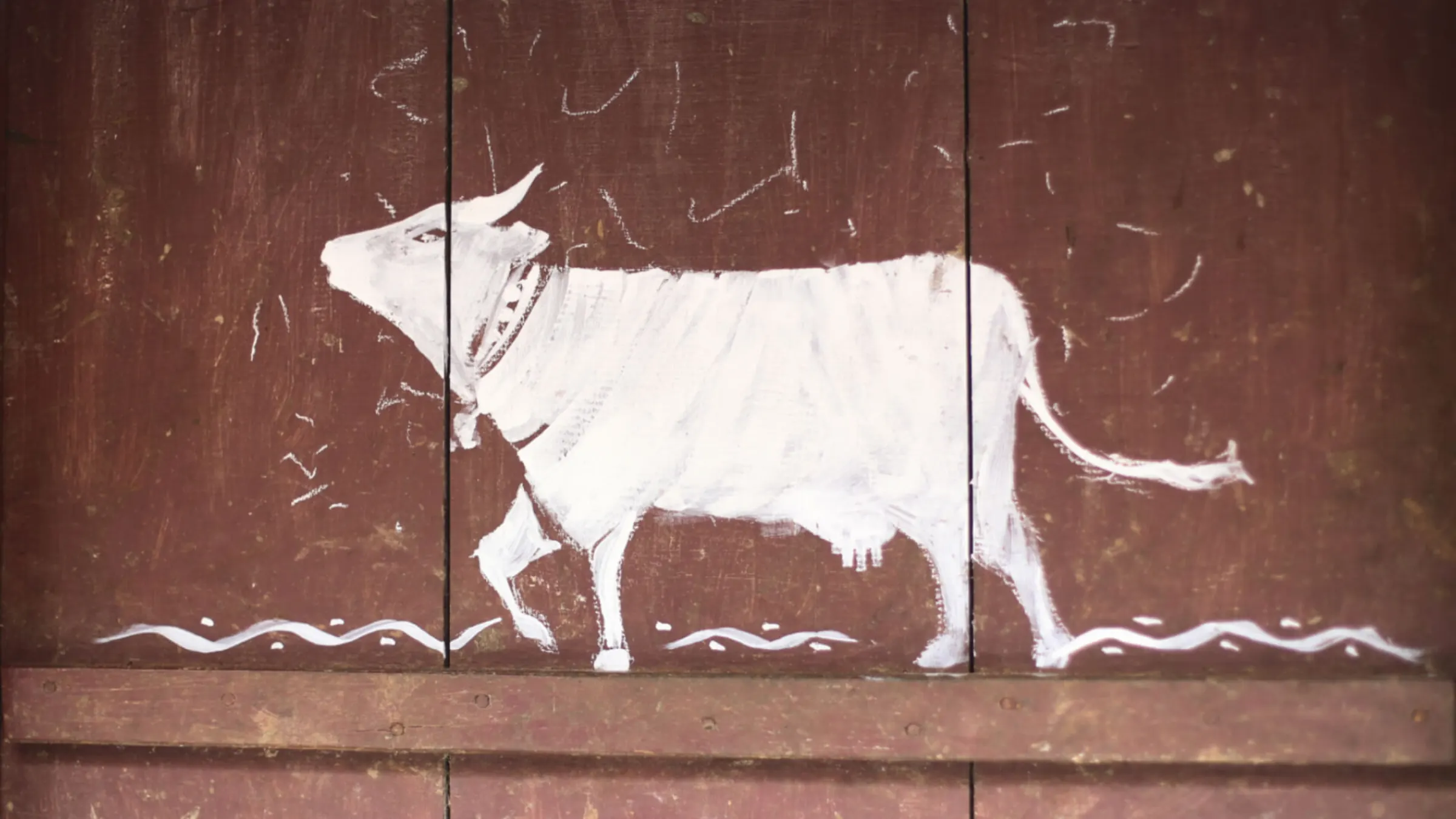
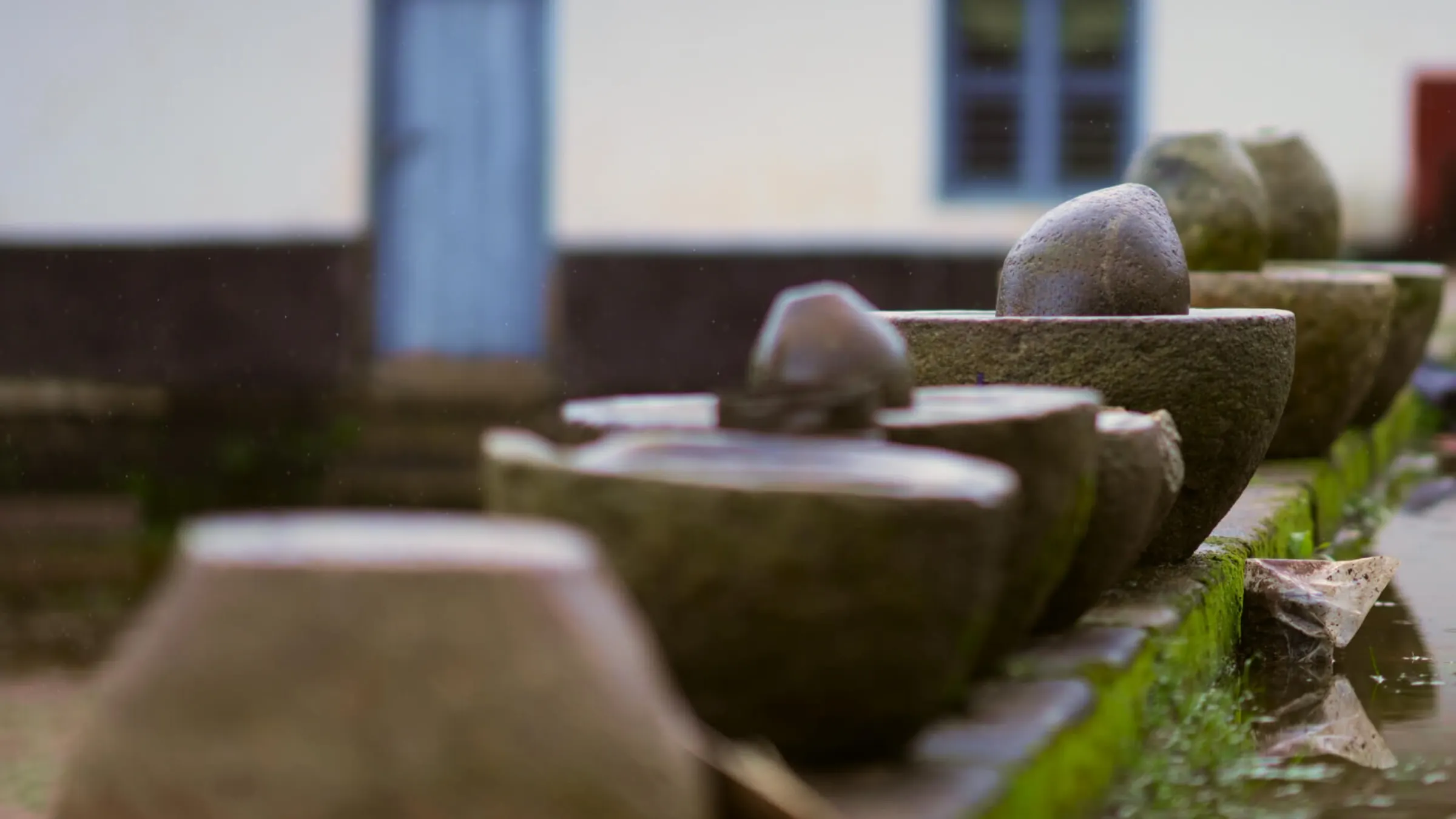
It begins with dung — packed into a cow horn, buried through winter, exhumed in spring as horn manure, BD 500. Ground quartz buried through summer becomes BD 501. Yarrow, chamomile, nettle, oak bark, dandelion and valerian regulate the compost heap; horsetail guards the leaf through monsoon.
None of it is applied at random — horn manure enters the ground at dusk, when the earth is said to be inhaling, and every prep buried, every batch tested, goes into the estate’s own log, under the name of the person who did it.
Aura Intelligence.
Sensors, satellites, molecular analysis — the same technology used everywhere else in agriculture is used here too, but never in place of judgment. A soil test does not decide what the estate does next; it confirms what generations of practice already suspected.
Every batch’s pH, conductivity and colony counts are logged, timestamped, traceable to the exact preparation and the day it was applied. The land remembers on its own terms. The data lets us prove it.
Tree-level observation.
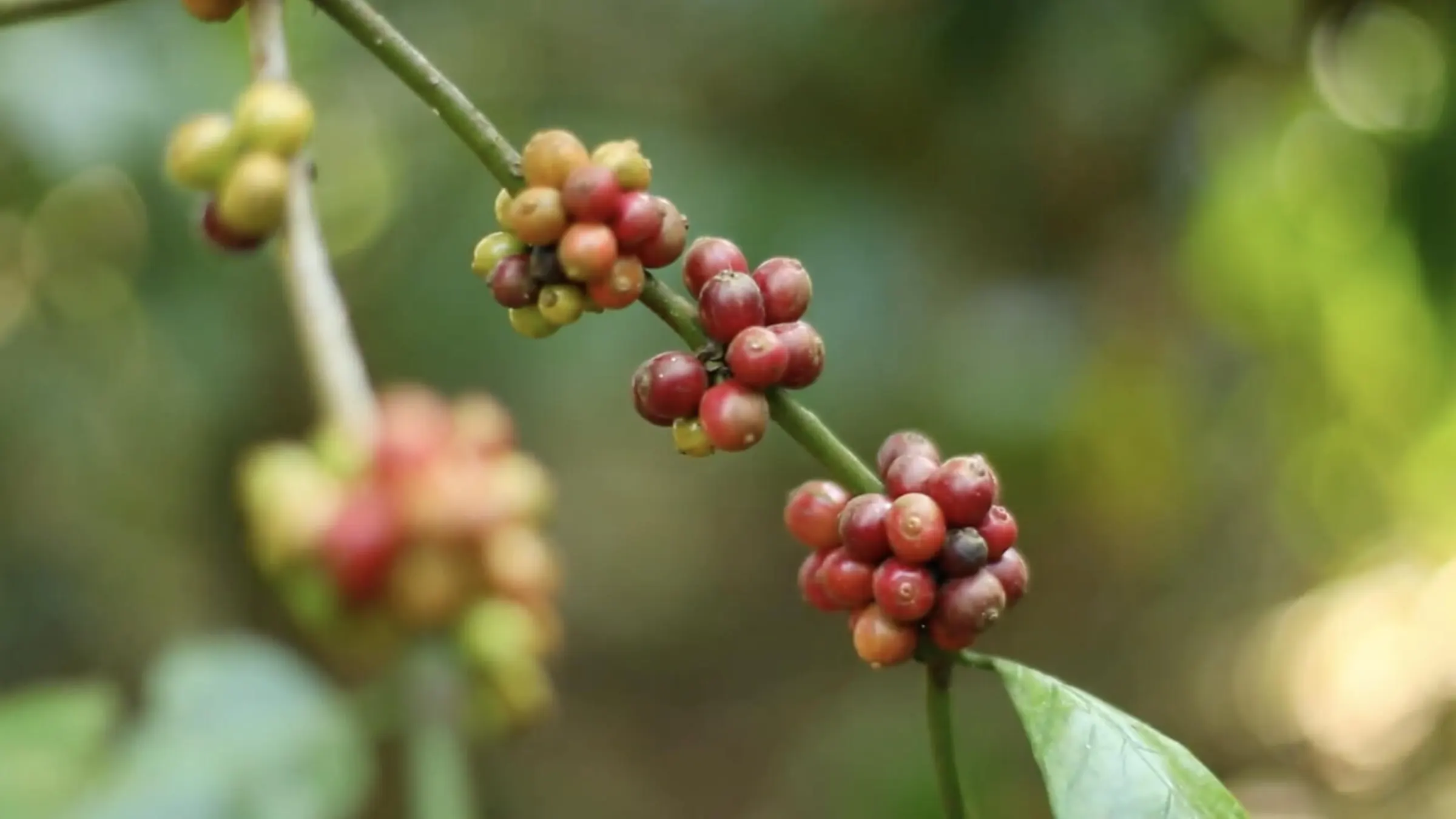
A harvest starts months before anyone picks anything, by standing under the trees and looking up. How much light gets through four storeys of shade to the coffee. How the leaves are holding. When the flowers arrive, and what the soil is doing under the roots.
Every tree reads slightly differently, and its light, flowering, ripening and condition go into the record that follows its cherries into the wet mill and eventually into the cup.
Attention is a moral choice.
Microbiome.
The herd’s gut has adapted to these grasses and this soil, generation after generation, and the estate’s reasoning is that the dung carries that adaptation into horn manure, CPP and Jeevamrit. That much is belief, held openly and acted on.
What follows is measured: every batch is tested before it touches the ground, and cross-referenced against soil health for months after. The same intelligence carries into the wet mill, one ferment’s culture shaping the next, until the microbial signature of these hills settles into the cup.
Hydrology.
These hills take the Western Ghats monsoon in full, most days from June onward. The canopy breaks the force of the rain before it reaches soil, so it soaks in rather than running off and taking the topsoil with it; what the ground does not keep eventually reaches the Hemavathi, one of the rivers this range feeds.
Not one tree here is irrigated. The coffee grows on rainfall alone, and drying follows whatever the air gives it, so each lot ends up on its own clock.
Every layer talks to every other layer.
Biodiversity.
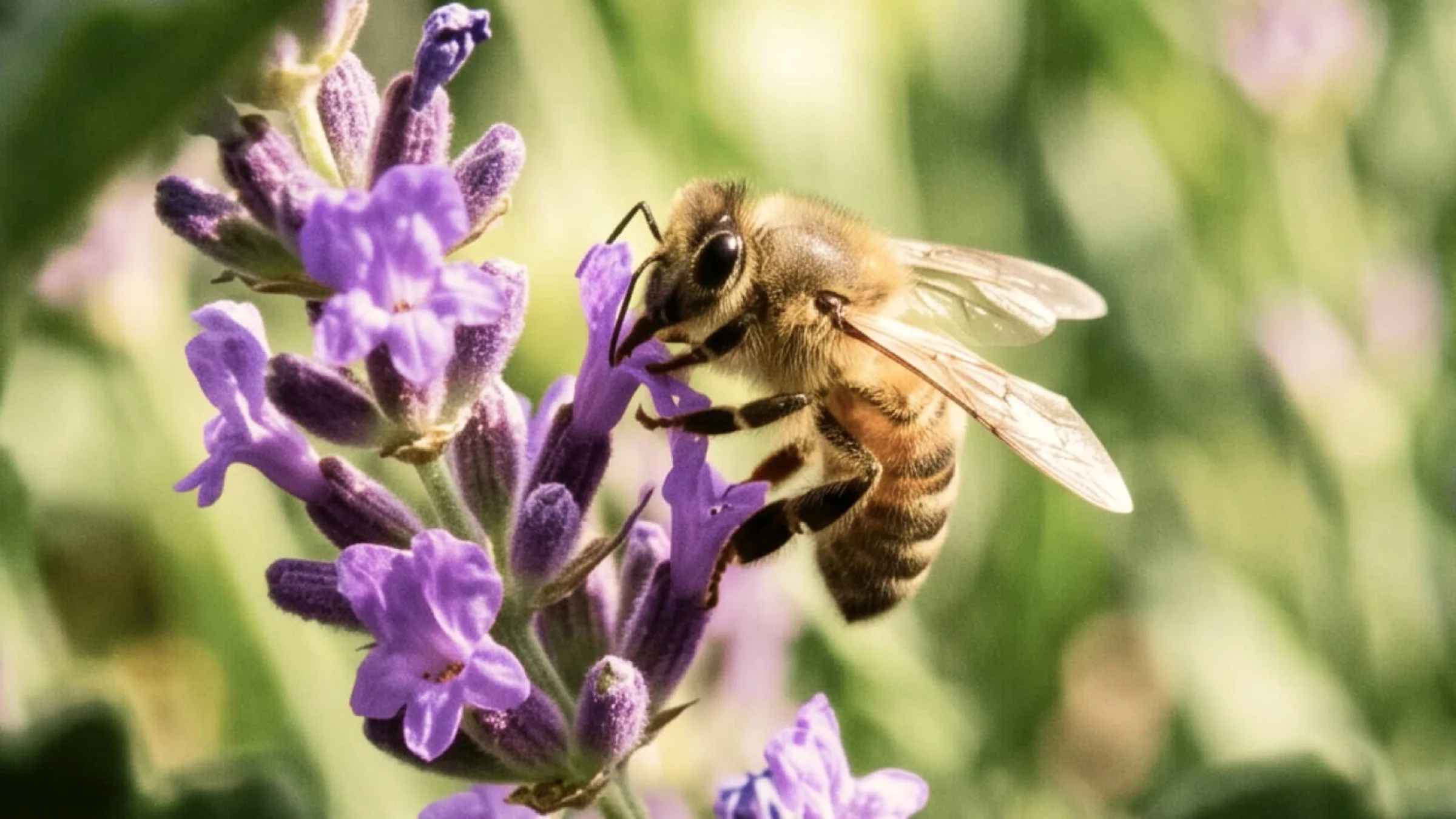
Bees move through all four layers of the canopy, and nothing they touch stays isolated — a flower here, a fruit set three trees over, a seed carried into next season’s undergrowth. Below ground, mycorrhizal networks do the same work in the dark, threading roots to roots.
No organism here acts alone. Remove one species and the chain reacts — fewer pollinators, thinner shade, drier soil, a weaker cherry. Keep it intact and the opposite happens: bees feed the blossom, the herd feeds the soil, the soil feeds the canopy that shelters them all.
Plant pathology.
Coffee leaf rust and berry disease move fast across a monoculture: same clone, same canopy gap, same humidity trap, and one infected block takes the whole estate with it. A four-storey mixed canopy breaks that up.
Airflow and shade vary from one block to the next, so a pathogen never finds the same conditions twice in a row, and an outbreak stays where it started. There are no synthetic fungicides here — the work is done by soil biology, moving air, and a great deal of compost.
Generational impact.
Vedic farming.
This is knowledge older than the written word — passed hand to hand, farmer to farmer, for centuries before anyone thought to name it. Dung, urine, jaggery and gram flour, fermented into a soil drench known here as Jeevamrit.
Seeds are still coated the old way, in dung, urine and lime, before they touch ground. None of it was invented here. It was remembered, kept, and handed down — carried by memory rather than manual, kept alive simply by staying in use.
Soil.
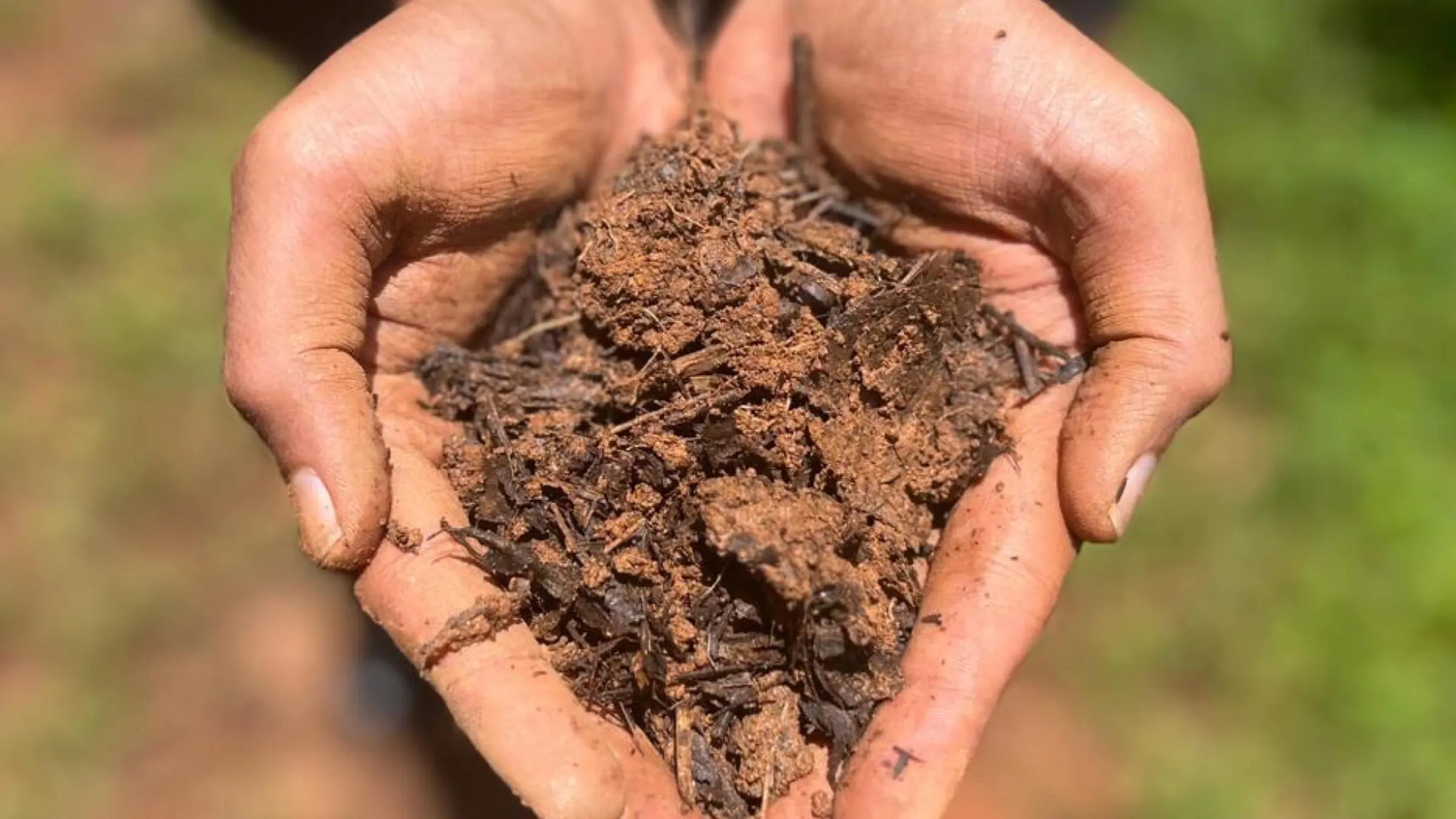
Nothing touches this ground untested. Every batch is read first — pH, electrical conductivity, microbial colony counts, Trichoderma and Pseudomonas viability, even a chromatogram pulled from filter paper to see the soil’s own vitality.
Ninety days after every application, the results return — soil biology cross-referenced against what went in. A four-storey polyculture and decades of compost are building carbon the topsoil will hold for a hundred years: the land keeps what it is given. Right time, right action.