Why Aura?
What kind of world are they inheriting?
For most of my working life, I built businesses.
I was born in India and moved to Singapore twenty-four years ago. My world was cities, people, ideas, decisions and speed. But what restored me had very little to do with work.
I built gardens. Arranged flowers. Created spaces where people could sit together. Connected friends over food and conversations that lasted until nobody noticed the time.
The relationships that mattered most to me were not built in boardrooms. They grew around a table, in a garden, over a quiet evening.
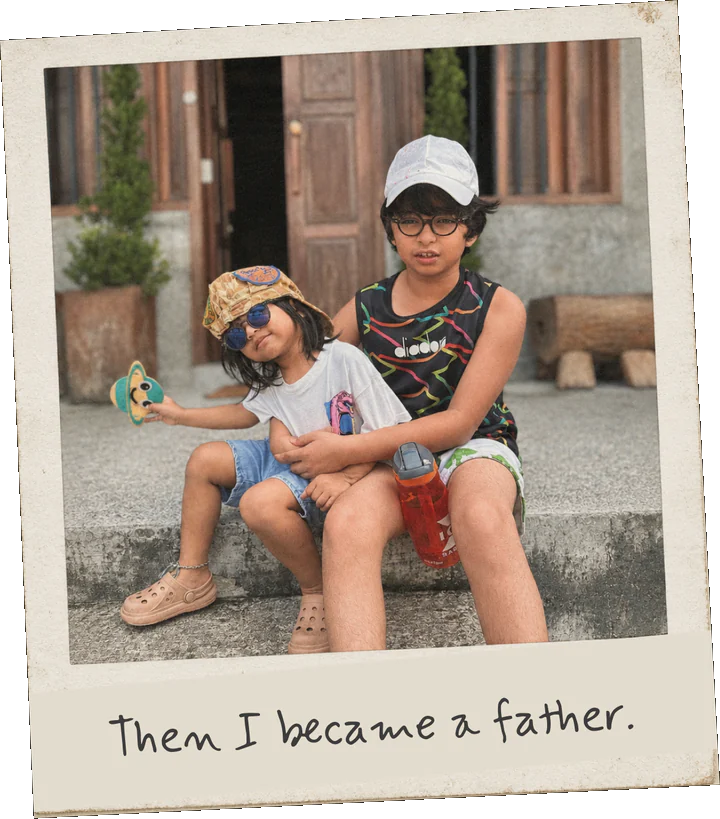
I have two boys. Very different from each other.
Watching them grow made me change my sense of time. I began to think less about what we could build now and more about what should remain long after us.
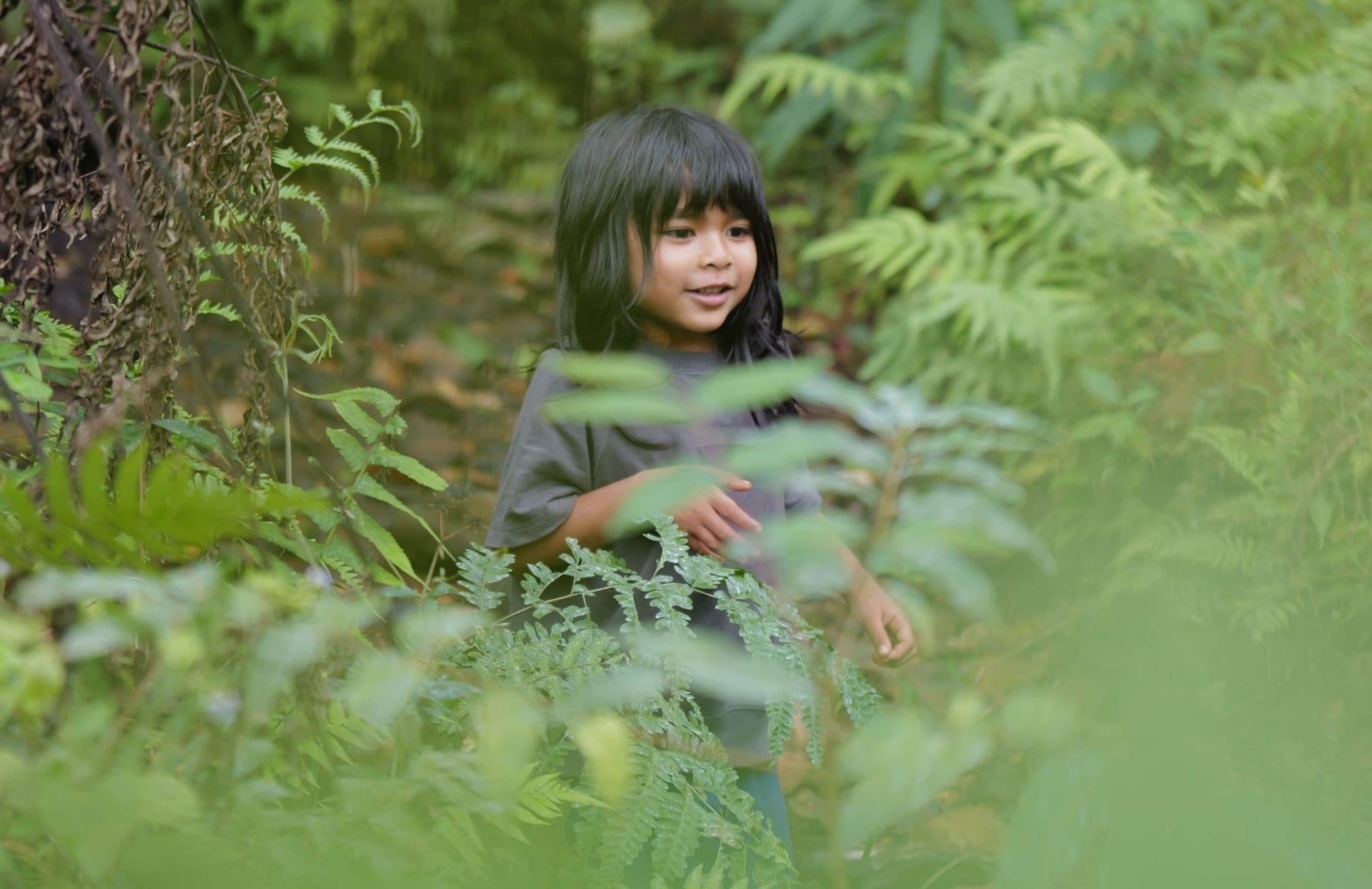
What kind of world are they inheriting?
Aura began with that question.
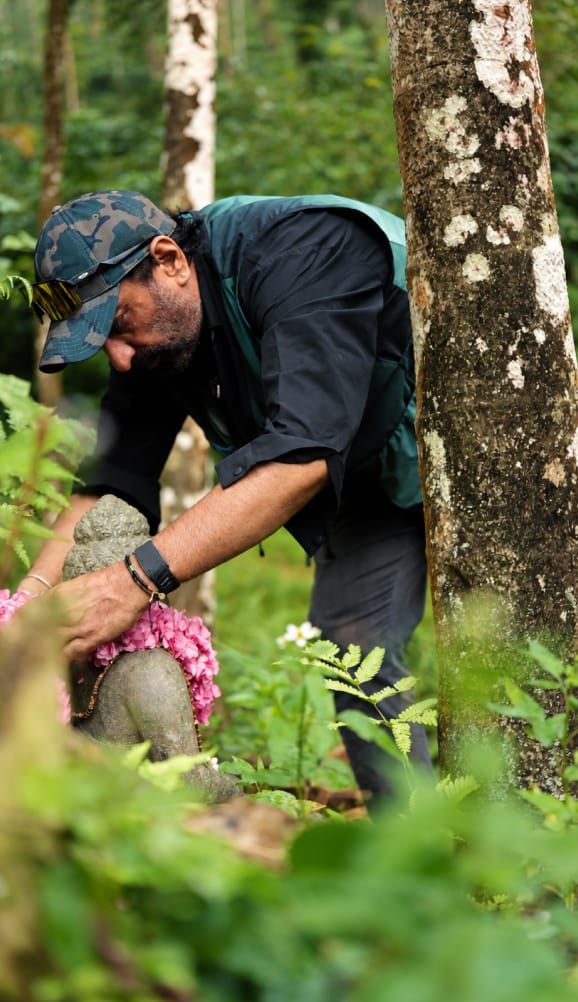
Learning to see again
I was not born into a family of planters.
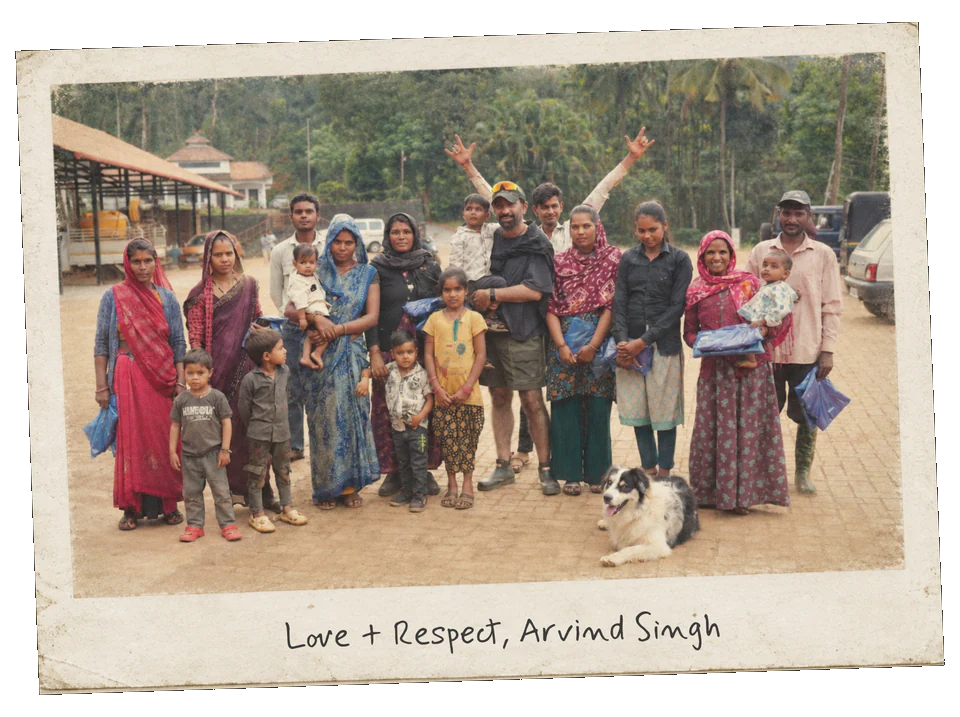
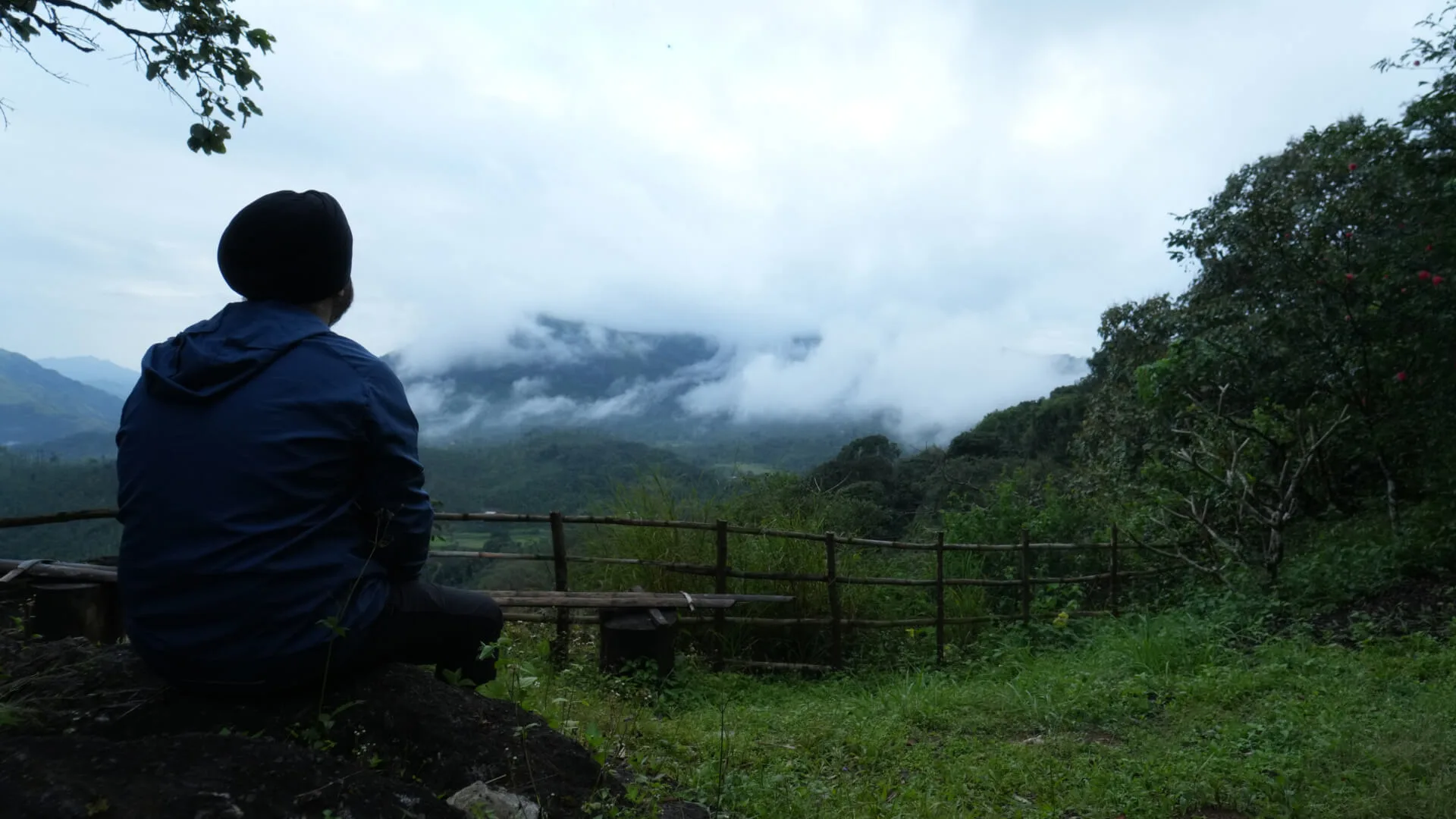
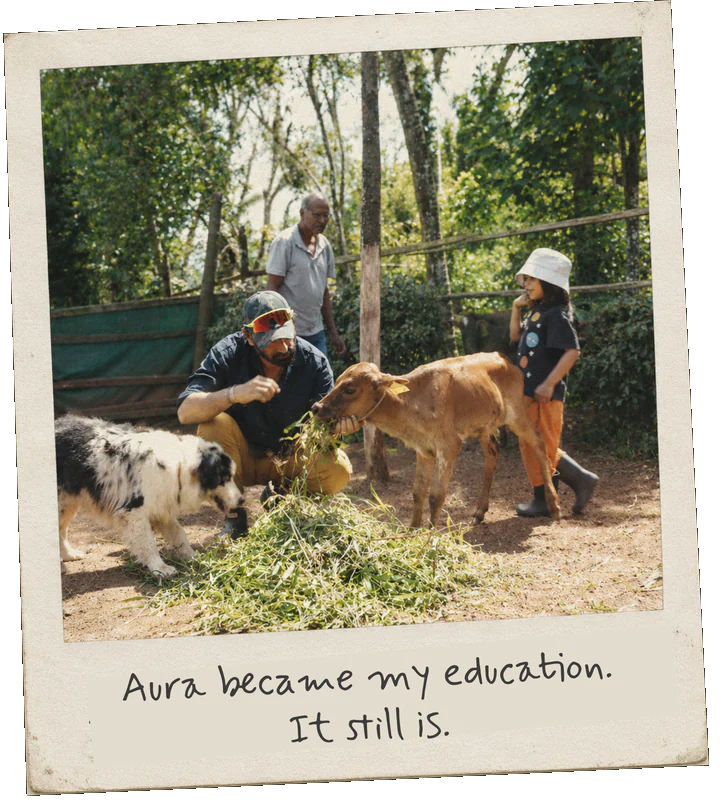
I did not study agriculture, biology or soil science. By the time Aura began, I had already spent decades building businesses. Then I found myself standing on a coffee and tea estate in the Western Ghats, knowing almost nothing about the world in front of me.
I loved that.
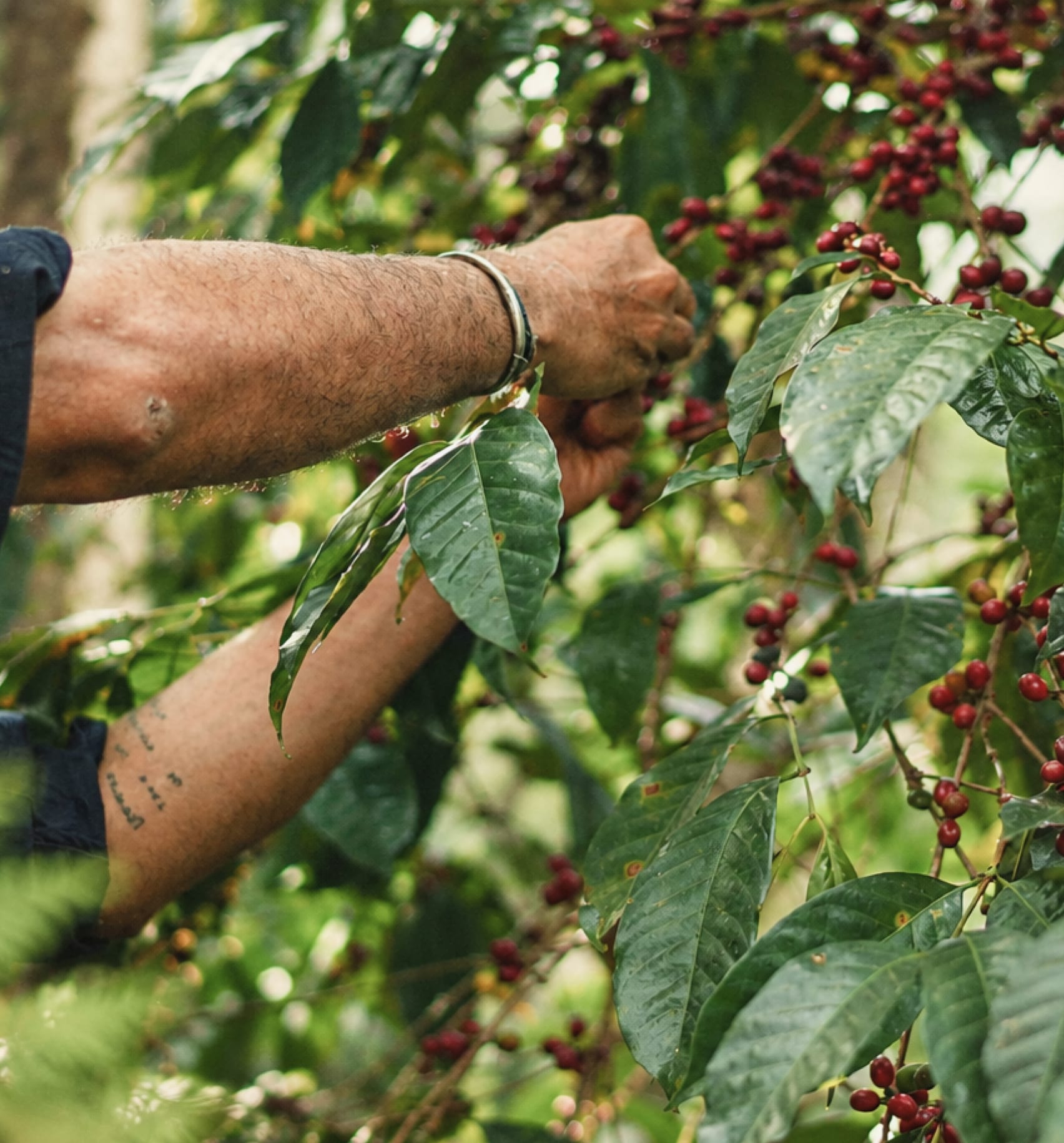
I have never believed that the choices we make when we are young should decide who we remain. We can learn at any point in our lives, if we are willing to say, honestly, I do not know.
I was curious, and I knew how to ask questions.
Why do we use this input?
What did this soil feel like 10 years ago?
What changed after we acted?
Who notices first when a tree is under stress?
Two places, one question
Then I found Ohara, a valley north of Kyoto shaped by river, forest, garden, craft and season.
Mudigere and Ohara are not versions of one another. Their climates, histories and cultures are distinct. They should remain distinct.
Yet both places asked me the same question:
What would it mean to restore a place rather than simply developing it?
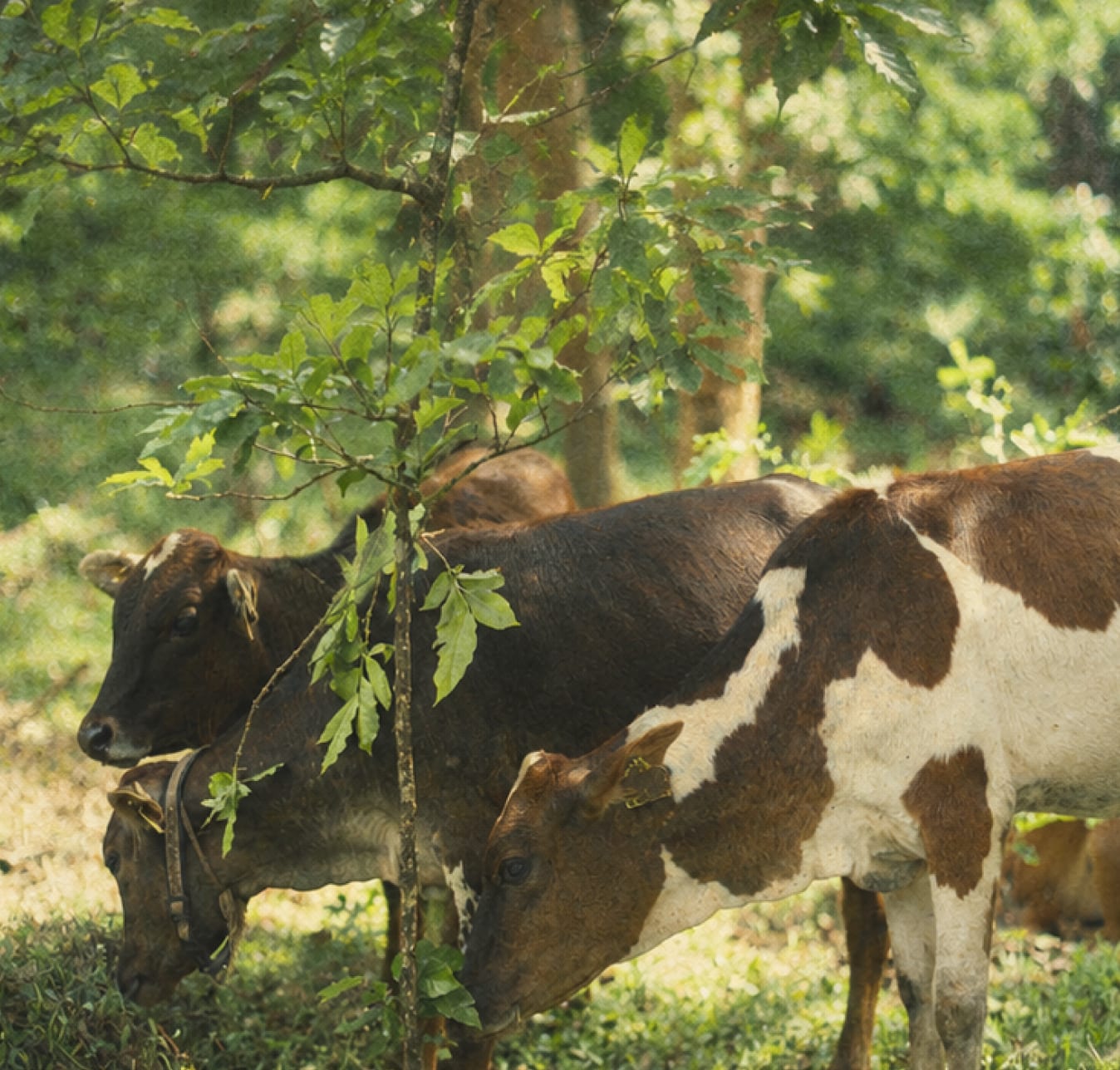
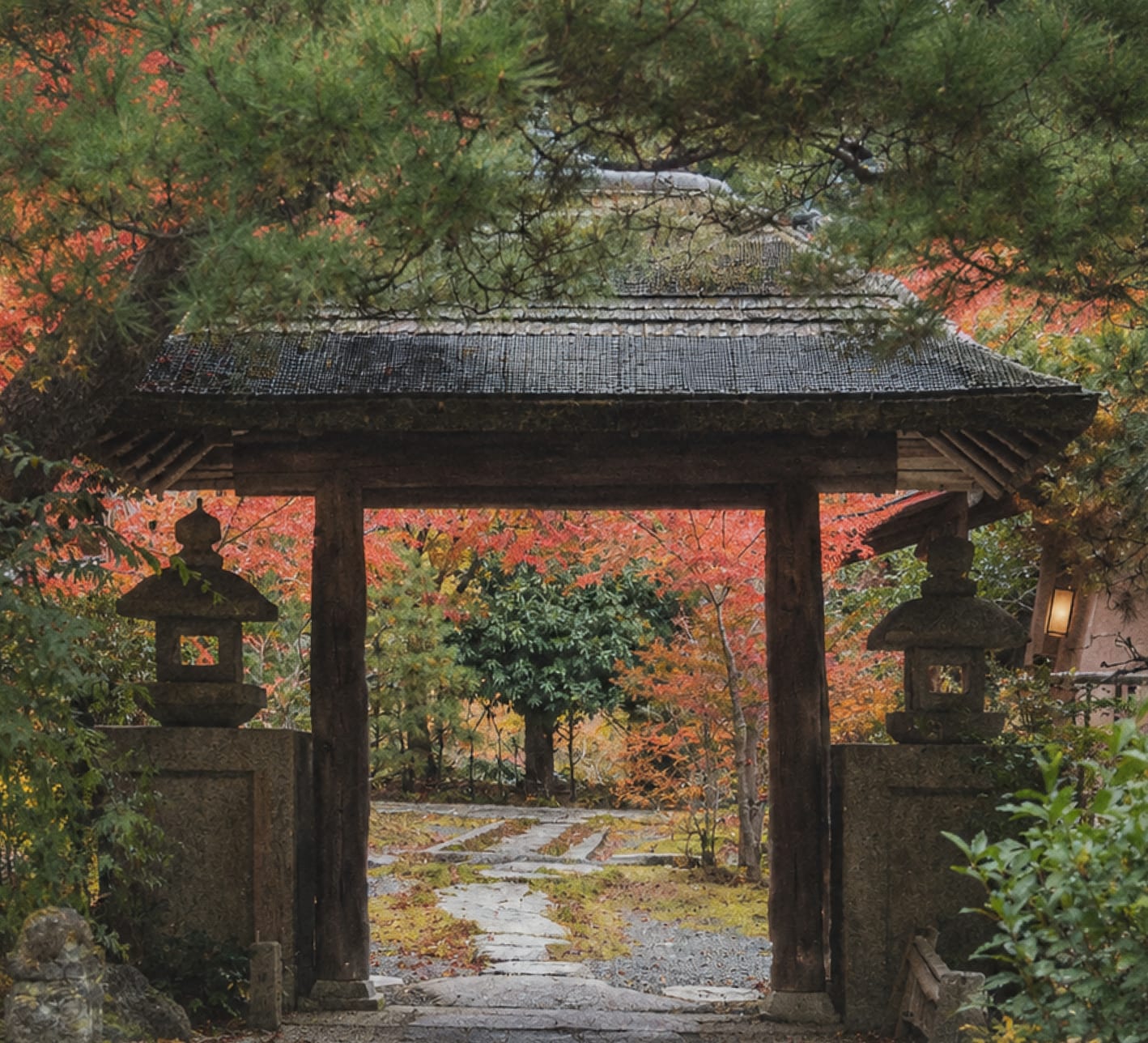
In Mudigere, the work begins with soil, water, plants, animals and the people whose knowledge lives in the field. In Ohara, it begins with season, interval, craft, hospitality and the discipline of not filling every space.
One place teaches through abundance and monsoon. The other teaches through restraint and pause.
Neither is a backdrop. Each is a teacher.
Aura grew in the relationship between them.
Aura in practice
Aura is a working coffee and tea estate in the Western Ghats and a sanctuary in Kyoto.
It is also a long experiment in whether cultivation, hospitality, food, craft, science and technology can strengthen one another instead of being separated into industries.
The plantation gives the work consequence.
The sanctuary gives it space.
Artistry gives it another language.
Proof gives it discipline.
Aura intelligence gives it memory.
Why this matters
Artificial intelligence is increasing the speed at which people can calculate, generate and decide.
That does not make human attention less important. It makes judgment, presence, responsibility and moral clarity more necessary.
The question is not whether technology belongs at Aura. It already helps us observe conditions, hold records and compare what happened over time.
What does the technology answer to?
Aura is not presented as a finished model.
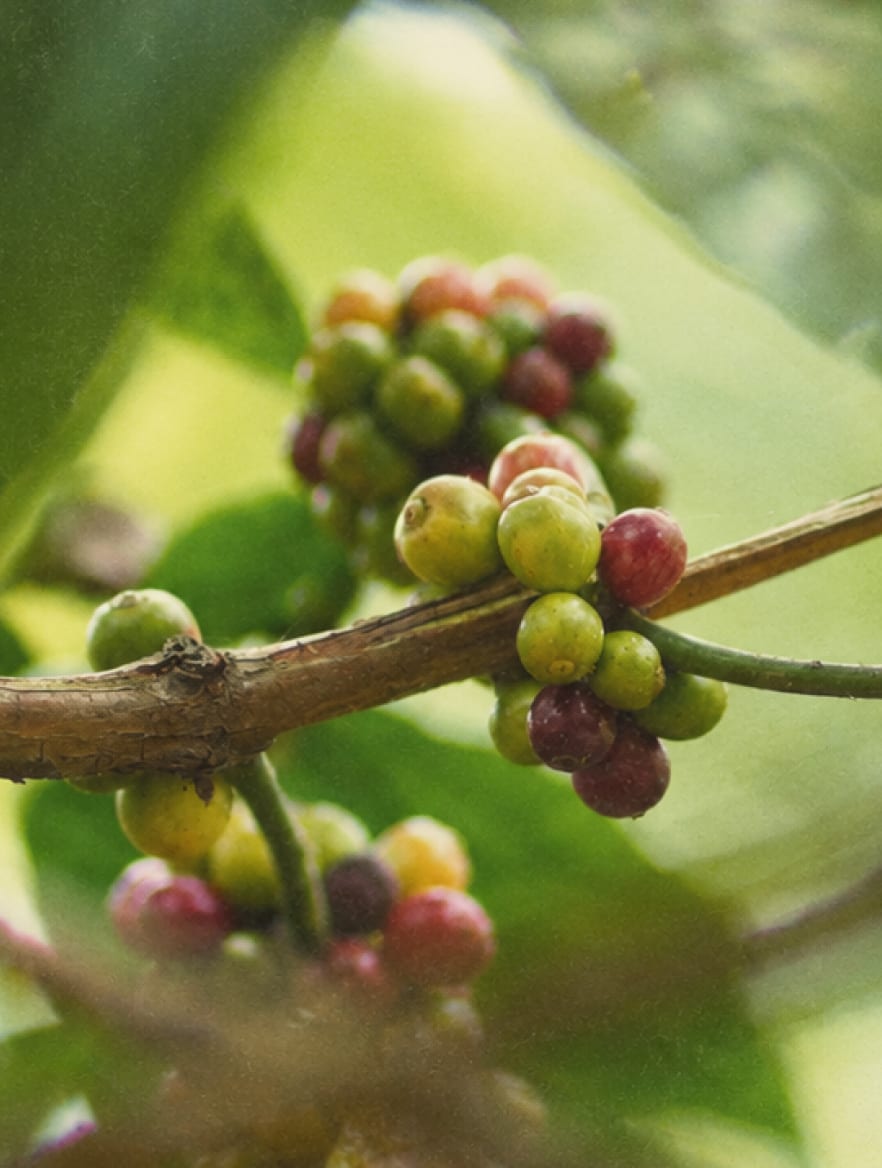
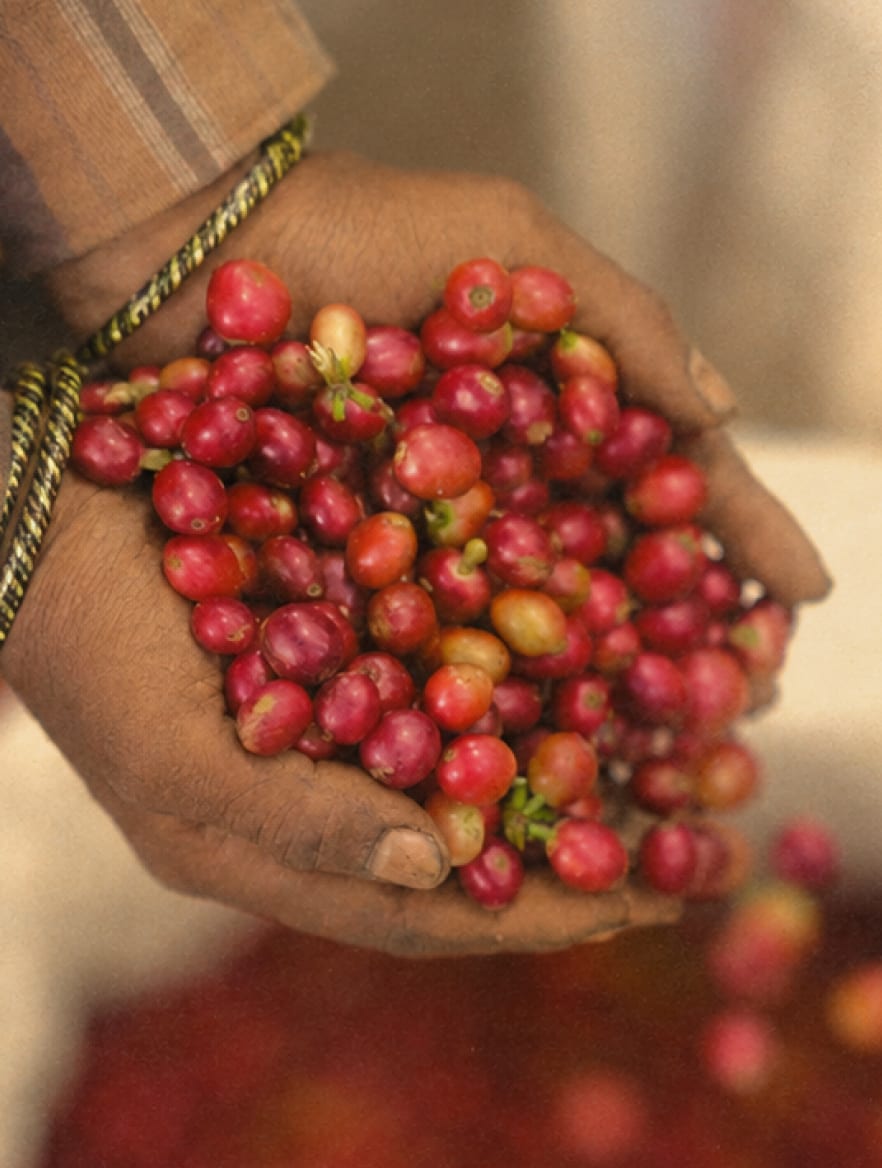
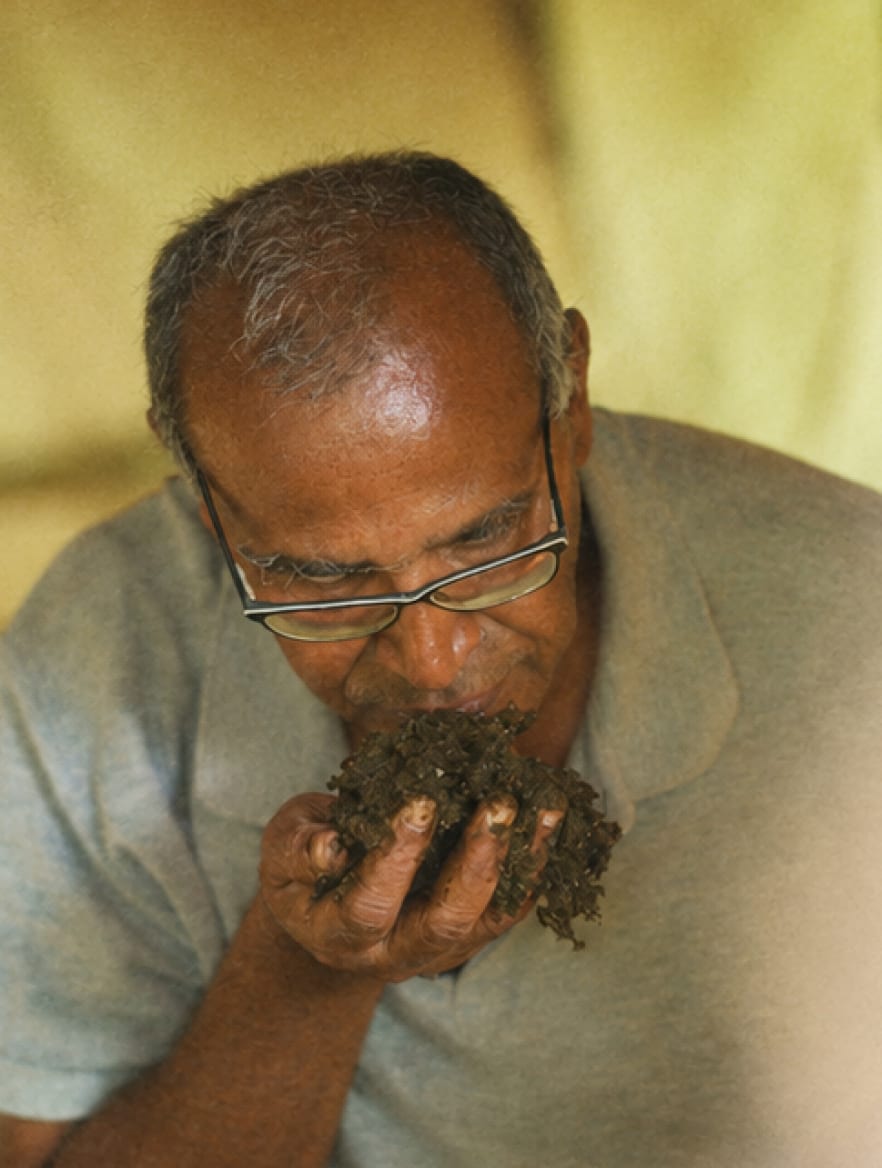
The estate is working. The coffee is producing. Soil, water, plant health, biodiversity and fermentation are being observed and measured. Practices are being tested.
The team is learning what deserves to continue, what needs to change and what is not yet known.
Ohara is becoming a place where stillness and making, hospitality and inquiry can meet without becoming a performance of slowness.
What if the promise isn’t perfection, but the willingness to be examined?
Aura began with a personal question, but it cannot remain a founder’s private answer.
If it is to matter across generations, its knowledge must be shared. Its decisions must be remembered. Its standards must survive the person who first named them. Its places must be able to change without losing their moral centre.
This is why Aura is built around a 1,000-year horizon, a Moral Spine and six rules simple enough to carry into the field.