A network of valleys — two in practice, two more in listening

Sanctuary

A sanctuary is a posture, not a property.

A sanctuary is not a place you go. It is a posture a place takes. It is what happens when a piece of land is tended long enough that it begins to tend the people who stand on it. The two we already run have a journal of their own — the geographies, the coordinates, the year counts on the buildings — and that journal is The Land. This one is about what the network does.

The Aura sanctuary system is four valleys in two hemispheres, held in one rhythm. Two are in practice. Two are in the patient early conversations of being read. None of them are destinations. All four are postures.
Aerial · two hemispheres · The four-valley map — Mudigere, Ohara, Munduk, Punakha
Detail · four soils · Laterite, moss, volcanic basalt, granite — one from each valley, side by side

Humans are not owners here — only guests of the mountain.

One rhythm, four climates.

A network of sanctuaries is only useful if a rhythm passes between them. Aura's rhythm is the seasons doing the scheduling. When Mudigere is closed by monsoon, Ohara is turning through its own four seasons undisturbed. When Ohara is buried in snow, Munduk is in its dry-side window.

The same posture moves with the rhythm — the same insistence on observation before intervention, the same five-product economy of the cow, the same refusal to do anything on a quarterly schedule. The valleys differ in climate. They are identical in stance.

Four valleys.One rhythm.The land tends the people who tend the land.

The two in practice.

The first two valleys are doing the early work. They share the operating system but not the temperament. One is the body of patience. The other is the calm of reflection. We need both, and we have written about each in their own journals.

The body of patience

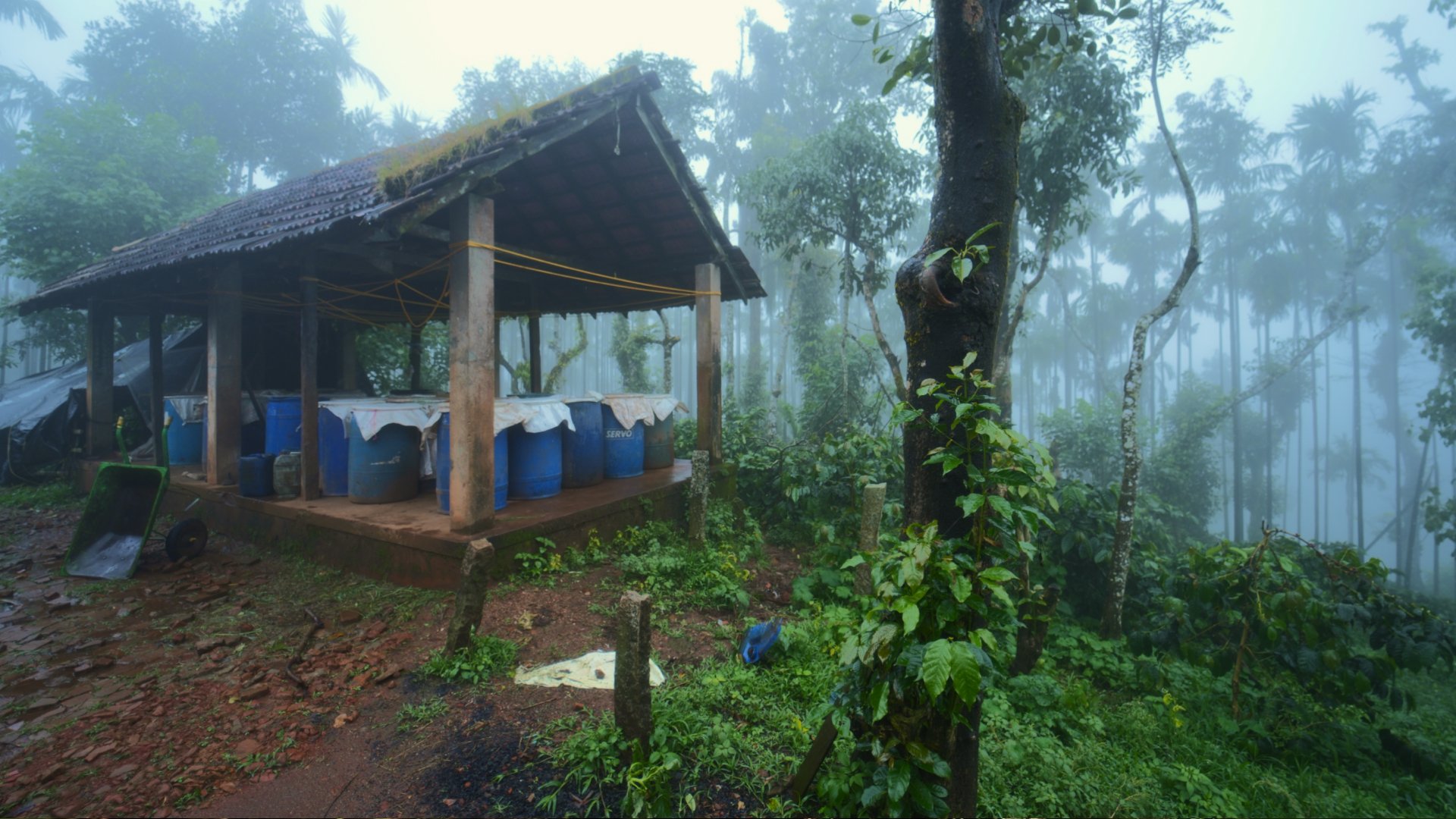
The Indian valley. Scale, monsoon, cosmological time. Where the herd, the canopy, and the kitchen do the work the rest of the system rides on. Detail and geography in The Land.

The calm of reflection

The Japanese valley. Restraint, millimetric care, lineage carried by craftsmen and their grandsons. Detail and geography in The Land.

India gave me the ground. Japan gave me the stillness. Together they became something neither could be alone.

Arvind

What actually travels between them.

Not the crops, not the climate, not even the language. What moves from Mudigere to Ohara — and will move to Munduk and Punakha when they're ready — is a small set of working habits, tested wherever they've been tried and kept because they held.

Observe first

One full season of watching before any structure goes in. No exceptions, no matter how obvious the answer looks on day one.

The animal pays its way

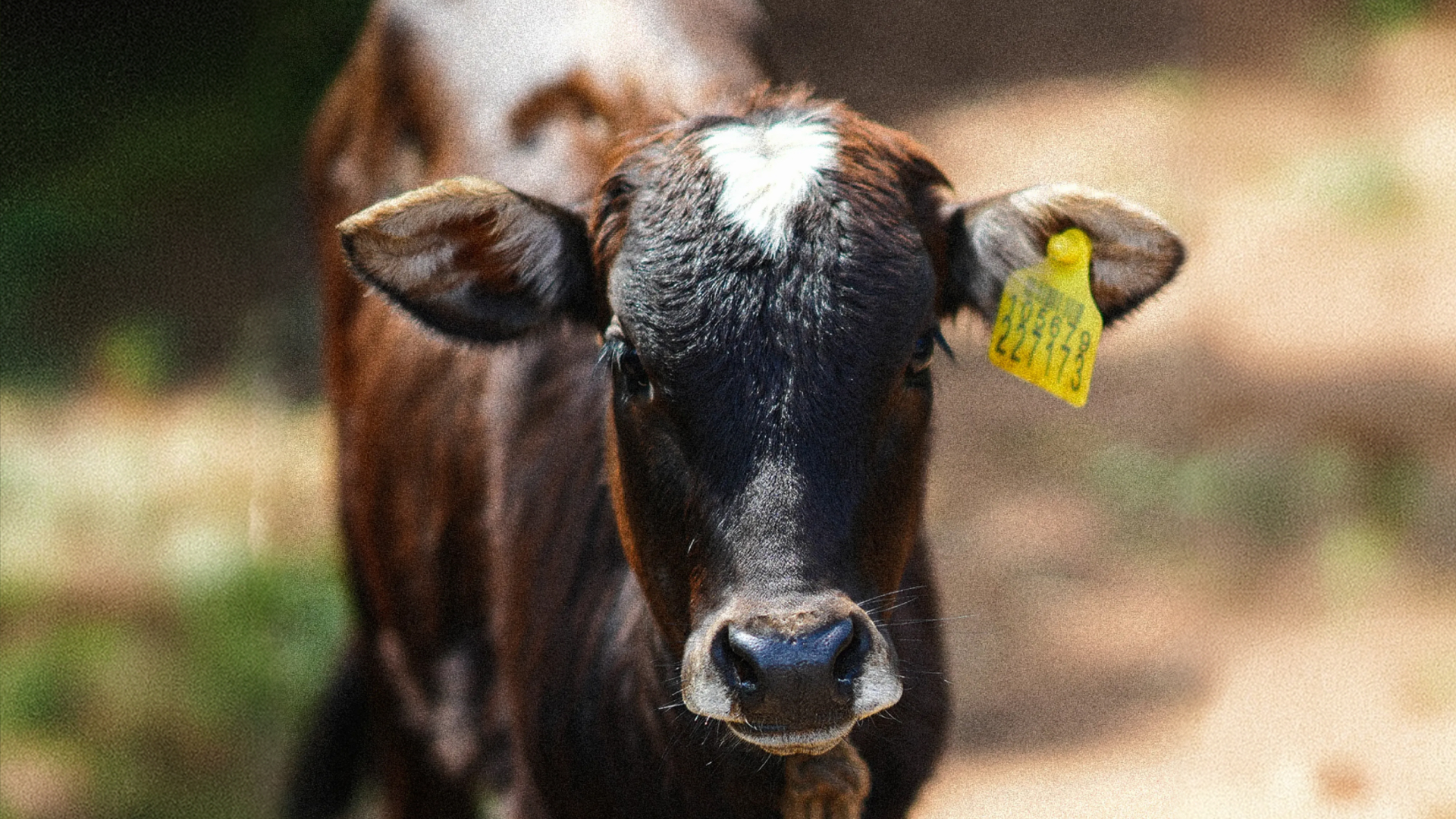
Every valley keeps a herd sized to the land, not the ambition — the five-product economy of the cow, or its local equivalent, doing real work in the loop.

Lineage over import

Local craft, local cultivar, local calendar. A practice imported wholesale from another valley is a decoration, not a discipline.
Detail · shared practice · The same observation posture, four different soils
Portrait · the herd · A herd sized to the land, not the ambition — one valley's version of the five-product economy

The two in listening.

A sanctuary cannot be willed into existence. It has to be earned, twice — once from the people of the valley, and once from the valley itself. Neither new site has a built structure yet, and neither page pretends otherwise: what follows is what we know from listening, not what we've built.

Munduksits in the volcanic highlands of north Bali, where a sacred lake half a ridge from the working one has banned motorboats for longer than anyone can date. It is where Aura's Indian soil philosophy meets a community that already drew its own line between use and reverence — before Aura had a name.

Punakha, in western Bhutan, sits where the Pho Chhu and Mo Chhu meet — the father and mother rivers, running down from snow into subtropical forest. It is a valley where mindfulness is the ordinary shape of a day, where craft and ritual stay attached to cultivation, and where forest cover is held by constitution. The things Aura argues for elsewhere are already how life is arranged here.

Landscape · volcanic · Munduk — volcanic highlands of north Bali, ~1,200 m, cloud forest and terraces
Landscape · Himalayan valley · Punakha — river confluence and terraced valley in western Bhutan, ~1,200 m

Why a network at all.

One sanctuary is a project. Two is a comparison. Four is a system. The reason to grow the network past two is not scale — it is correction. A practice run only in one climate, on one soil, with one lineage of people, slowly persuades itself it is the practice. Two climates check each other. Four make the practice harder to confuse with its setting.

A valley enters Aura when the land says yes and the lineage says yes — not before. There is no roadmap past Punakha. There is a posture, repeated across climates, until the land tells us where it would like to be tended next.

We start from the earth and work up.

The first season in any new valley.

A thousand-year practice does not move in quarters. It moves in seasons. The first season in any new valley is the one where we put nothing in. We watch. The compost piles wait. The herd waits. The kiln waits. We learn the water before we ask anything of it.

That is the only entry rite. Everything that follows — the cabins, the kitchen, the studios, the gatherings — earns its place by surviving the first season's observation. Most ideas do not. The ones that do get to put down a first stone.