Provenance

We measure what we make.

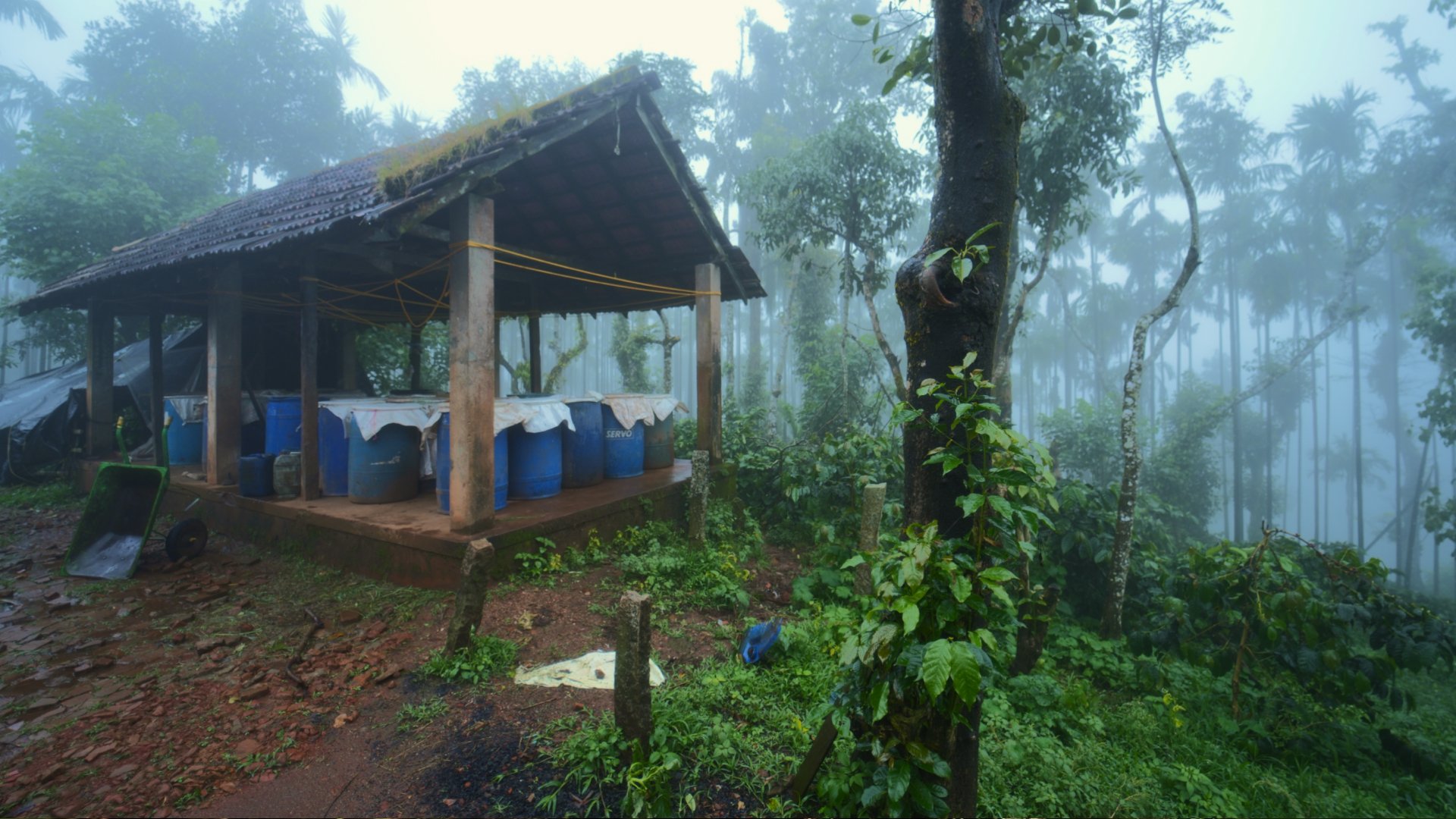
At Mudigere, Aura grows coffee and pepper, and grows them the way they ought to be grown — for the soil, the people, and the cup. That practice is the easy part to claim and the hard part to prove. So we write the estate down: every preparation, every ferment, every drying day, recorded the moment it happens, by the person who did it, and signed.

We keep that record for two readers. The buyer, asked to trust a farm on the other side of the world. And ourselves, because a practice you measure is a practice you can make better. From cherry to cup, a lot carries its own account.
The senses, kept honest.

Coffee is judged by the human body — the nose held over a ferment, the tongue on a cupping spoon. Those senses are astonishingly fine and quietly biased at once. A ferment smells right on a good morning. A picker trusts the block that once pleased them. A taster wants the lot to be what they were hoping for.

So we take the measurement while the sense is still forming — the sugar as it falls, the acidity as it rises, the temperature logged through the night. The number does not overrule the palate; it keeps it honest. This is the simplest form of doing right: read the thing as it happens, and write down what you read. The science serves the human hand. It does not sit above it.

What the land writes down.

Nothing on the plant is decorative. Nine streams of data run off the estate, each on its own clock — some every fifteen minutes, some once a quarter, some once a year. Together they are the estate's pulse, printed.

Fermentation

pH every fifteen minutes. Temperature three times a day. Brix at start, middle, and end. The most closely watched hours on the estate.

Biodynamic

Every preparation — the crop layer, the blocks, the lunar day, the weather at the moment of spray, the worker who carried it.

Soil

pH and moisture at five and twenty centimetres, read each quarter. Shallow and deep, because they tell different stories.

Canopy

NDVIper block, quarterly. The forest's vigour, measured from above.

Cattle & dung

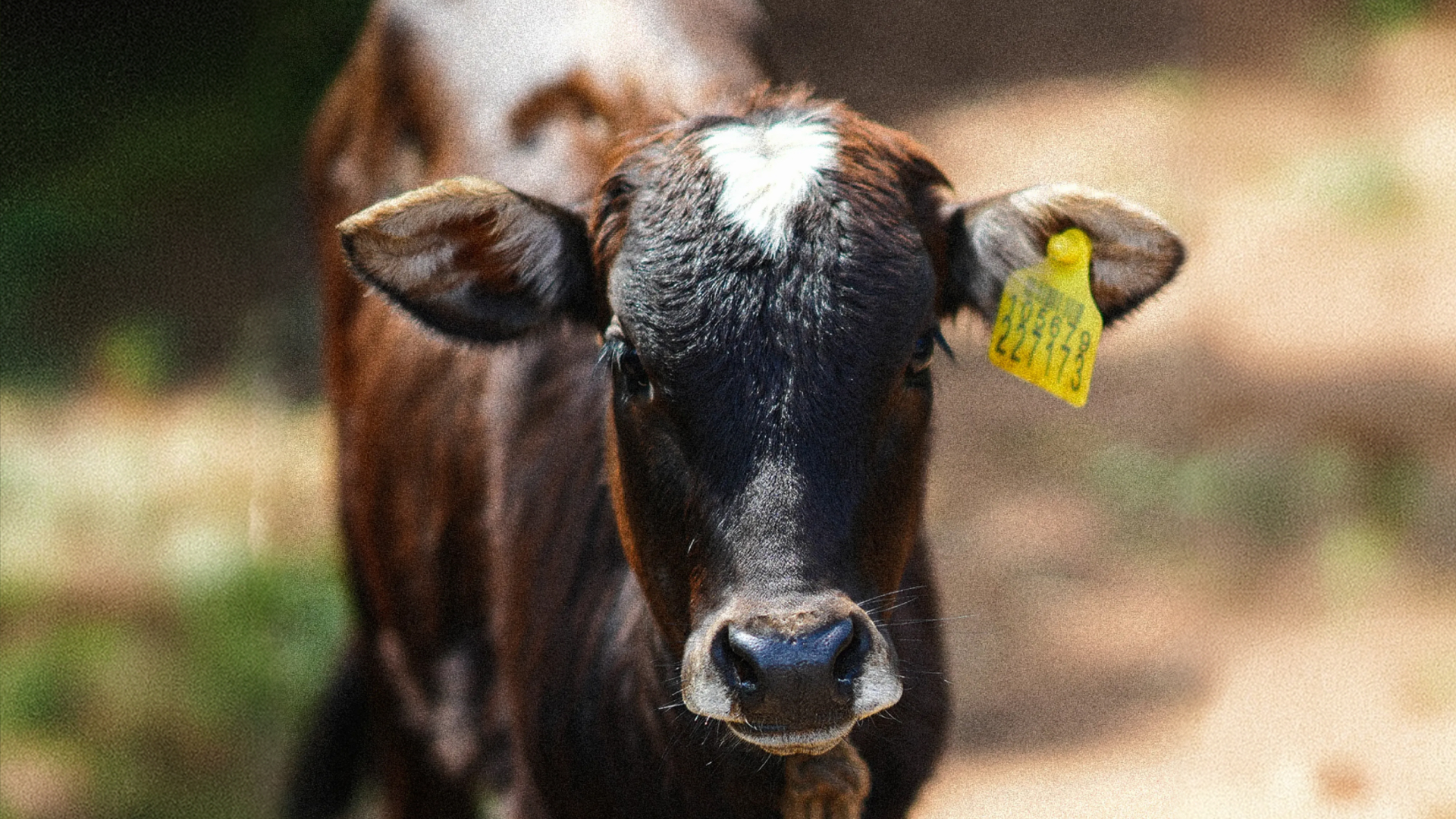
The herd's rotation, and each dung batch traced to the animals that gave it — the first link in every preparation.

Understorey

Pepper and areca column health; the bees — hive weight, yield, honey harvest. The ground floor of the polyculture.

A ledger cannot forget, and it cannot flatter.

Arvind

One record, in full.

A single biodynamic spray, as the record holds it: BD 501 applied to Block 07 at 06:14, on a waning moon, humidity 78%, by Raju, from dung batch G-03. That row — the minute, the moon, the hand, the source — is the unit the whole system is built to protect.

Complexity sits in the machine; simplicity in the field. Soil probes, ferment-tank loggers, and a weather station at 3,600 feet write their readings on their own; every human act — the stir, the spray, the decant — is signed by name, from the field, by the person doing the work. The machine measures; the person testifies. The record keeps the number next to the hand that knew when to act, because data without judgment is only faster noise.

Detail · field tablet · A worker signing a spray event from the field — the human layer the record never replaces

Every event signed.Every reading verifiable.The lot reads itself.

What the buyer reads.

The QR on every bag opens a single page: the block the cherry came from, the day it was picked, the method it survived, the bed it dried on, the hands that turned it. Everything timestamped. Everything signed. Nothing summarised by a third party.

A buyer who wants to check a claim can drill into the underlying events. A buyer who only wants to brew the coffee can ignore all of it. That is what transparency is here: the page stands complete, whether or not anyone ever opens it.

Detail · QR scan · Every 30 kg GrainPro bag — scannable, and drillable down to the field

15 min

The interval a fermenting lot's pH is read at, start to finish.

9 streams

Of estate data, each on its own clock — from every quarter-hour to once a year.

3–5×

Estimated carbon held per acre by the four-storey polyculture over monoculture coffee.

The record outlasts the sale.

Every signed event is held in plain JSON and CSV that opens in any text editor a decade from now, and its milestones are written to chain — permanent, public, verifiable. If the database fails, the chain remains; if the chain ages out, the data still reads as plain text. The record is built to outlive the people who wrote it.

That is the horizon Aura works on. A buyer — or their buyer — can still read this lot in ten years. And the transparency runs both ways: the account that shows them what we did shows us, in the same plain detail, where the next lot can be better. A practice you can read is a practice you can improve.

Trade enquiries are handled directly — coffee and pepper both.

coffee@theaura.life

Coffee — lot allocation, cupping scores, forward-contract enquiries, shipping terms.

spice@theaura.life

Pepper & spice — Malabar pepper, shade-grown, biodynamic. Small-parcel trade.